CM Samrat Choudhary Hails Yuge Yugeen Bharat Museum Plan
Synopsis
Bihar Chief Minister Samrat Choudhary has hailed the proposed Yuge Yugeen Bharat Museum — to be built across North and South Blocks in New Delhi spanning 1 lakh square metres — as a historic initiative under PM Modi to showcase India's civilizational heritage to the world.
Key Takeaways
Bihar CM Samrat Choudhary praised the Yuge Yugeen Bharat Museum on 11 November 2026 .
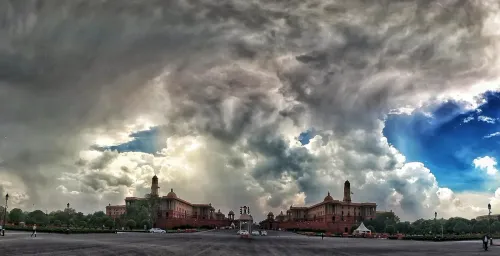
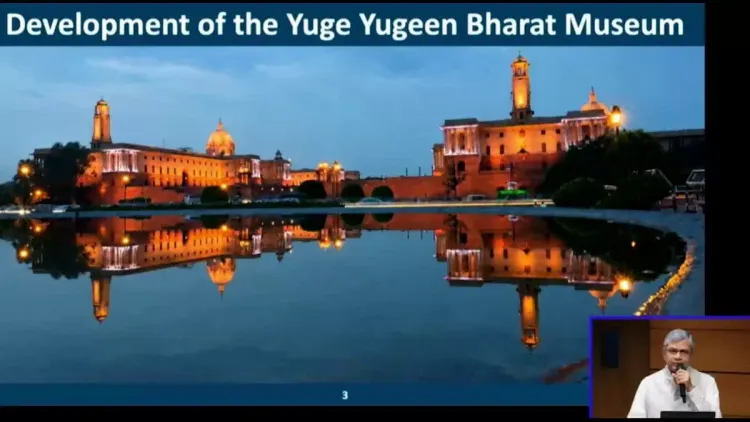
The museum is planned across North Block and South Block in New Delhi's Central Vista complex.
Proposed footprint is approximately 1 lakh square metres , making it one of Asia's largest museum spaces.
The project is part of the Central Vista redevelopment approved in 2020 to repurpose colonial-era government buildings.
CM Choudhary described the museum as a 'living medium' to connect future generations to India's civilizational roots.
The post was tagged #CabinetDecisions , indicating a formal government approval milestone.
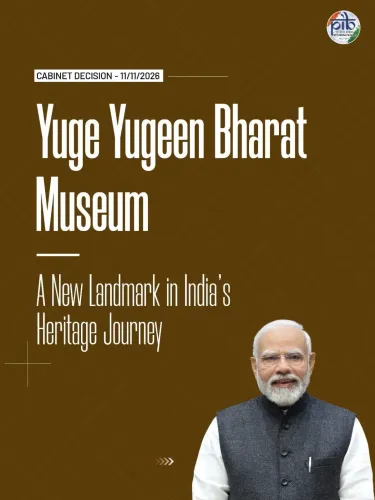
A civilizational statement in stone and steel — that is how Bihar Chief Minister Samrat Choudhary framed the proposed Yuge Yugeen Bharat Museum on Wednesday, 11 November 2026, calling it a historic initiative to give India's millennia-old heritage a truly global identity.
Posting on X, CM Choudhary described the project as 'ek aitihasik pahal' — a historic initiative — crediting Prime Minister Narendra Modi's visionary leadership for a museum that he said would present India not merely as a nation but as a living civilisation thousands of years old. The museum is planned across approximately 1 lakh square metres — spread across North Block and South Block, the twin sandstone landmarks of New Delhi's Central Vista.
North and South Blocks: From Secretariat to Civilizational Showcase
For nearly a century, North Block and South Block housed the Finance Ministry, Home Ministry, and Prime Minister's Office, their red-and-cream colonnaded facades becoming synonymous with the machinery of Indian governance. Under the Central Vista redevelopment project approved in 2020, these colonial-era structures are being progressively repurposed — the most ambitious repurposing being this proposed museum.
At one lakh square metres, the footprint would make it one of the largest museum spaces in Asia, designed to narrate India's civilizational arc — from ancient traditions and plural cultural practices to the modern republic. CM Choudhary wrote that the museum would be 'ek jeevant madhyam' — a living medium — connecting future generations to their roots and fostering pride in India's cultural heritage.
Soft Power Architecture: Modi Government's Civilizational Branding
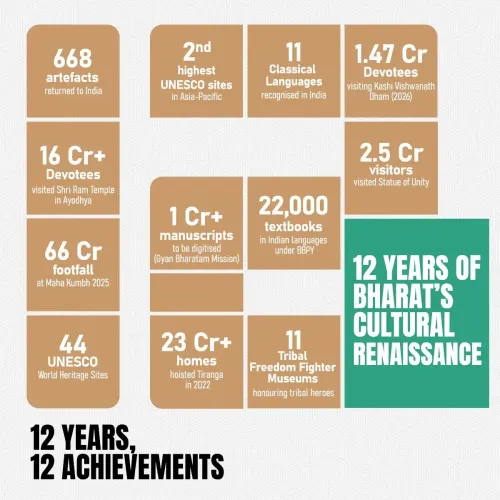
The Yuge Yugeen Bharat Museum is the most visible chapter in a broader cultural projection strategy that the Modi government has pursued since 2014. That strategy bets on tangible infrastructure — restored heritage sites, new interpretive centres, and now a landmark museum — to shift the global narrative about India from a developing nation-state to a continuous ancient civilisation with unbroken cultural memory.
Choudhary's post, tagged #CabinetDecisions, signals the project has cleared a formal government approval stage, though the precise cabinet resolution details remain to be officially detailed. The museum's name — Yuge Yugeen Bharat, meaning 'India through the ages' — itself encodes that civilizational argument: not history confined to a dynasty or an era, but an unbroken thread of Sanatan cultural consciousness across epochs.
For a senior BJP leader from Bihar — a state that is itself home to sites like Nalanda, Bodh Gaya, and the ruins of the Mauryan Empire — the resonance is personal as much as political. Bihar's own heritage sits at the heart of the civilizational story this museum is designed to tell the world.
When those two blocks open their doors as a museum, the argument will be architectural, inescapable, and impossible to miss: India was here long before the buildings that housed its modern government, and it intends to make sure the world knows it.
Point of View
Backing such a project is doubly useful: it generates cultural capital with the base while projecting soft power internationally. CM Choudhary's enthusiastic endorsement also signals that state-level BJP leaders are actively amplifying central government cultural initiatives as an electoral and ideological asset. The key test will be whether the museum's curatorial ambition matches its monumental scale.
NationPress
11 Nov 2026
Frequently Asked Questions
What is the Yuge Yugeen Bharat Museum?
The Yuge Yugeen Bharat Museum is a proposed large-scale museum to be built across the repurposed North Block and South Block buildings in New Delhi's Central Vista, spanning approximately 1 lakh square metres. It aims to showcase India's civilizational history, cultural traditions, and heritage to domestic and international visitors.
Where will the Yuge Yugeen Bharat Museum be located?
The museum will be located in the historic North Block and South Block buildings on Rajpath (Kartavya Path) in New Delhi, which are part of the Central Vista redevelopment project.
Why is the Yuge Yugeen Bharat Museum significant?
At roughly 1 lakh square metres, it would be one of Asia's largest museums, and it represents a deliberate effort to reframe India's global identity — presenting the country as a continuous living civilisation rather than simply a modern nation-state.
What did Bihar CM Samrat Choudhary say about the museum?
CM Samrat Choudhary called it a historic initiative under PM Narendra Modi's visionary leadership. He said the museum would become a 'living medium' connecting future generations to their roots and inspiring pride in India's civilizational heritage on a global stage.
What is the Central Vista redevelopment project?
The Central Vista redevelopment is a major infrastructure project approved in 2020 to modernise and repurpose New Delhi's central government building complex, including the construction of a new Parliament building and the conversion of colonial-era structures like North and South Blocks into public cultural spaces.