CM Nayab Saini Hails Cabinet Nod on Rabi Fertiliser Subsidy
Synopsis
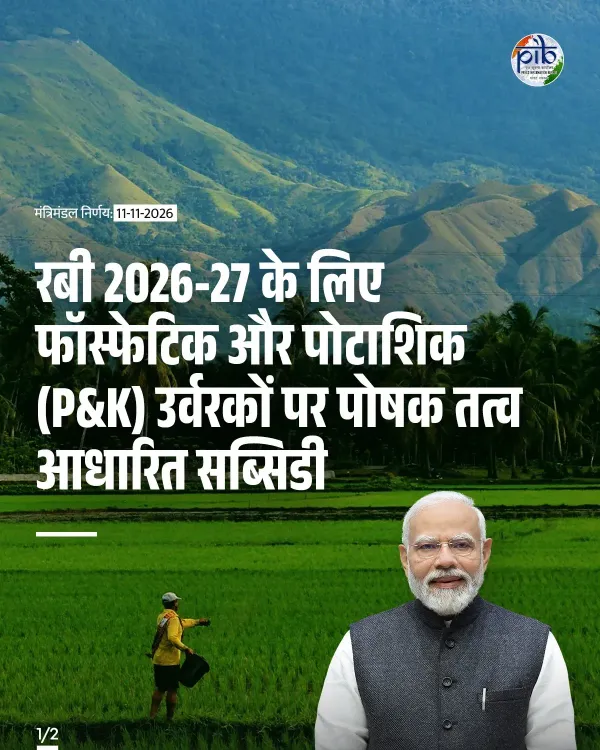
India's Union Cabinet has approved Nutrient Based Subsidy rates for phosphatic and potassic fertilisers for Rabi 2026-27, covering 1 October 2026 to 31 March 2027. Haryana CM Nayab Singh Saini credited PM Modi's farmer-first agenda for ensuring affordable DAP and NPKS supplies ahead of the winter sowing season.
Key Takeaways
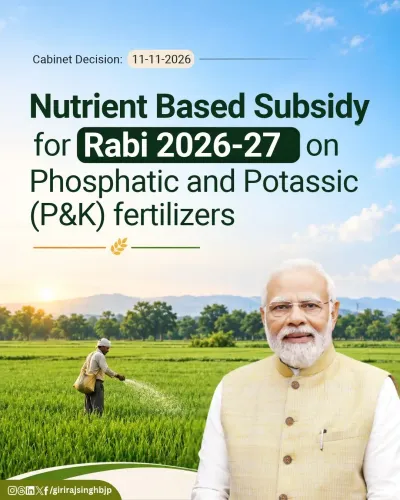
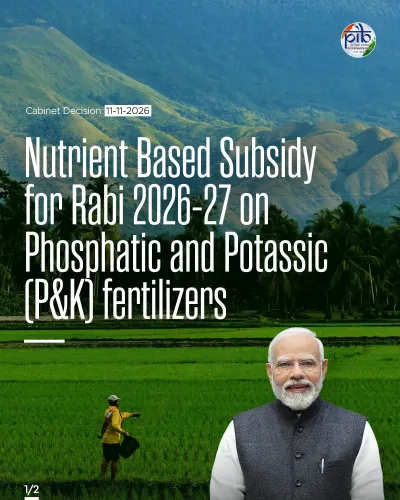
The Union Cabinet approved NBS subsidy rates for phosphatic and potassic fertilisers for Rabi 2026-27 .
The subsidy is valid from 1 October 2026 to 31 March 2027 , covering the full Rabi input cycle.
The approval specifically covers DAP and NPKS fertilisers — the two most widely used complex fertilisers in winter crop farming.
The Nutrient Based Subsidy scheme has operated since April 2010 , providing fixed per-kilogram subsidies on phosphorus and potassium nutrients.
Haryana Chief Minister Nayab Singh Saini credited Prime Minister Narendra Modi with consistently prioritising farmer welfare through such decisions.
Actual per-tonne subsidy rates, once gazetted, will determine the final retail price impact for farmers at the field level.
Ahead of the Rabi 2026-27 sowing season, India's Union Cabinet approved fresh Nutrient Based Subsidy (NBS) rates for phosphatic and potassic fertilisers — a decision Haryana Chief Minister Nayab Singh Saini welcomed on Wednesday, 11 November 2026 as a direct expression of Prime Minister Narendra Modi's commitment to farmer welfare.
Posting on X in Hindi, CM Saini said the cabinet's approval would ensure the availability of DAP (Di-ammonium Phosphate) and NPKS (Nitrogen-Phosphorus-Potassium-Sulphur) fertilisers at 'fair and affordable rates' for farmers. The subsidy window runs from 1 October 2026 to 31 March 2027 — covering the full Rabi input-buying cycle. 'अन्नदाताओं के हित में निरंतर संवेदनशील निर्णय' ('continuously sensitive decisions in the interest of food-providers') was how Saini framed the government's posture.
What the NBS mechanism actually does for farmers
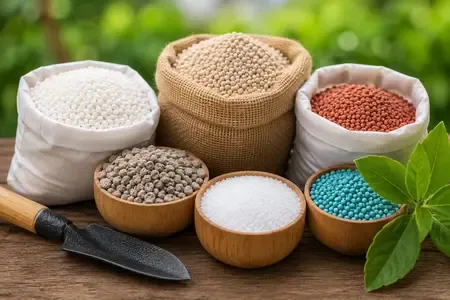
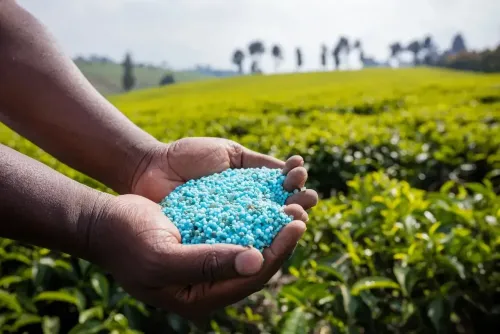
The Nutrient Based Subsidy scheme, launched in April 2010, replaced an older ad-hoc concession system by fixing a per-kilogram subsidy on the phosphorus and potassium nutrients present in decontrolled fertilisers. The logic is straightforward: manufacturers receive a fixed government transfer per nutrient kilo, which allows them to sell complex fertilisers like DAP and NPKS below their true market cost. The farmer at the retail counter pays a subsidised price without needing to navigate any application process.
The Union Cabinet has revised these seasonal rates every year since the scheme's launch — nudging them up or down in response to global commodity prices and domestic availability. With international potash and phosphate markets remaining volatile, the Cabinet's seasonal approval effectively acts as a price-stabilisation guarantee for the winter crop cycle.
Why DAP and NPKS matter to Rabi farmers
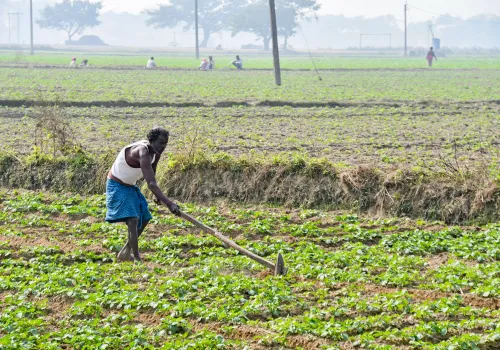
DAP is the single most widely used complex fertiliser in India's Rabi season, particularly for wheat — the dominant winter crop across Haryana, Punjab, and Uttar Pradesh. NPKS blends are increasingly preferred for oilseeds and pulses because they deliver sulphur alongside the three primary nutrients. Any spike in their retail price at planting time translates almost immediately into higher input costs and squeezed margins for small and marginal farmers, who have little capacity to absorb price shocks mid-season.
By locking in NBS rates before the sowing window, the Cabinet gives both fertiliser companies and state procurement agencies a stable planning horizon — smoothing supply chains that have historically seized up when subsidy uncertainty delayed manufacturer offtake from ports.
Modi government's pattern on farm input support
The approval fits a consistent pattern under Prime Minister Narendra Modi, who has used both direct income transfers — through PM-KISAN — and input-price support as the twin pillars of agricultural policy since 2014. Fertiliser subsidies have remained one of the largest items on India's central expenditure ledger, underscoring the political and food-security weight attached to keeping farm input costs in check. CM Saini, governing a state where wheat farmers are a core electoral constituency, was quick to amplify the decision — tagging it under #CabinetDecisions for maximum visibility.
The actual per-tonne subsidy rates notified for the season will determine how much relief reaches farm gate prices — that figure, once gazetted, is the number Haryana's farmers will watch most closely as they head into their fields.
Point of View
Amplifying this decision positions Haryana's BJP government as an active relay of central farm-welfare signals ahead of any electoral cycle. The broader pattern reveals how fertiliser subsidies have become a fixed instrument of agrarian political management in India, with the NBS framework providing just enough market flexibility to manage the subsidy bill while insulating farmers from global commodity volatility. The key unresolved question — the actual per-tonne rates — will test whether the approval translates to meaningful price relief or merely maintains the status quo.
NationPress
11 Nov 2026
Frequently Asked Questions
What is the NBS subsidy for Rabi 2026-27?
The Union Cabinet has approved Nutrient Based Subsidy (NBS) rates for phosphatic and potassic fertilisers for Rabi 2026-27, applicable from 1 October 2026 to 31 March 2027. The specific per-tonne rates will be detailed in the official gazette notification.
What is the Nutrient Based Subsidy (NBS) scheme?
The NBS scheme, launched in April 2010, provides a fixed per-kilogram subsidy on phosphorus and potassium nutrients in decontrolled complex fertilisers like DAP and NPKS, allowing manufacturers to sell them to farmers below market cost.
Which fertilisers are covered under the Rabi 2026-27 NBS approval?
The Cabinet approval covers DAP (Di-ammonium Phosphate) and NPKS (Nitrogen-Phosphorus-Potassium-Sulphur) fertilisers, which are essential for wheat, oilseed, and pulse cultivation during the Rabi season.
How does the fertiliser subsidy help farmers in Haryana?
By fixing NBS rates before the sowing season, the government stabilises retail prices of key fertilisers, reducing input costs for wheat and oilseed farmers in Haryana and preventing mid-season price shocks.
What did CM Nayab Saini say about the fertiliser subsidy decision?
Haryana Chief Minister Nayab Singh Saini welcomed the decision on X, saying it would ensure DAP and NPKS availability at fair and affordable rates for farmers, and thanked Prime Minister Modi for his consistent focus on farmer welfare.