Assam CM Office announces 'Aitihya' Museum Festival in Guwahati
Synopsis
The Government of Assam, in partnership with IGNCA, will host 'Aitihya - The Museum Festival 2026' at Assam State Museum, Guwahati, from 25 to 29 November 2026, featuring exhibitions, workshops, heritage walks, talks, documentary screenings, and art and quiz competitions celebrating Assam's indigenous and tribal cultural heritage.
Key Takeaways
Aitihya - The Museum Festival 2026 runs from 25 to 29 November 2026 at the Assam State Museum, Guwahati .
Organised by the Directorate of Museums and Department of Indigenous and Tribal Faith and Culture, Government of Assam , in association with IGNCA, New Delhi .
Programme includes curated exhibitions, documentary screenings, workshops, lecture-demonstrations, talks, heritage walks, and art and quiz competitions.
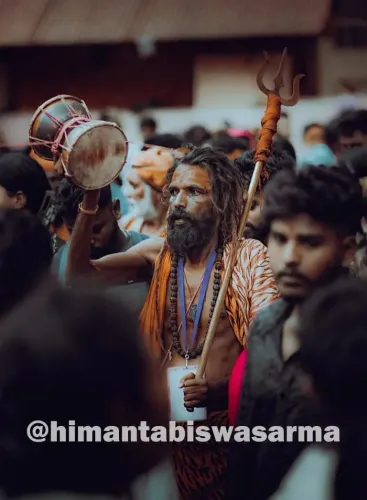
The festival centres on the vibrant indigenous and tribal cultural heritage of Assam.
The collaboration represents a state-central government partnership for Northeast cultural preservation, a growing trend in India's cultural policy.
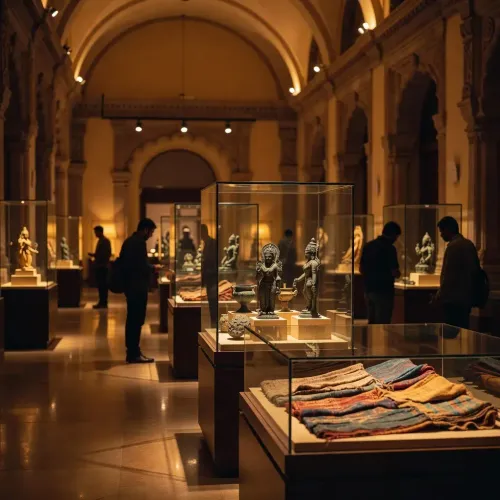
Five days, one city, and centuries of living culture on display — the Chief Minister's Office of Assam announced on Wednesday, 11 November 2026, that the Directorate of Museums and the Department of Indigenous and Tribal Faith and Culture, Government of Assam, in partnership with the Indira Gandhi National Centre for the Arts (IGNCA), will host ঐতিহ্য — 'The Museum Festival 2026' at the Assam State Museum, Guwahati, from 25 to 29 November 2026.
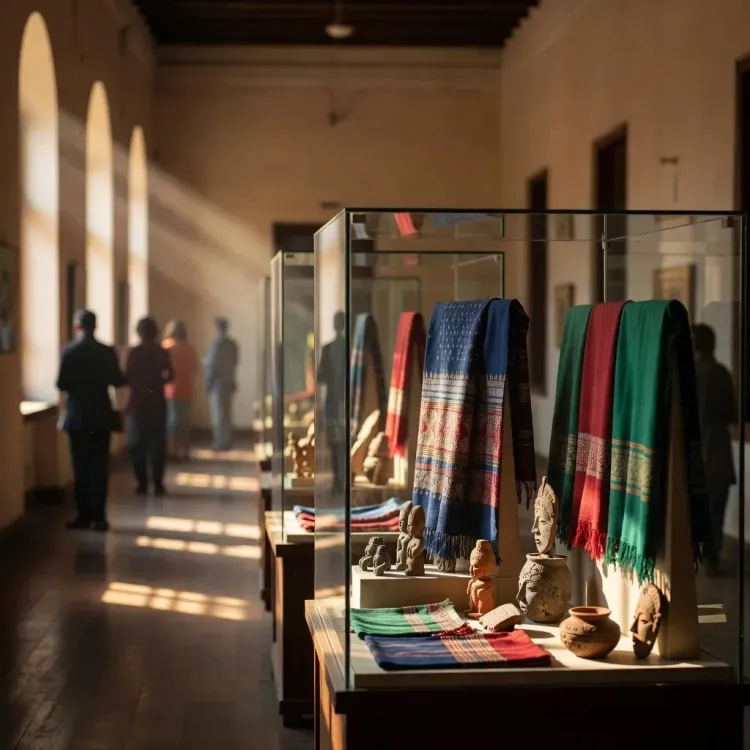
The five-day festival is designed to bring Assam's layered cultural heritage — indigenous, tribal, and historical — directly to audiences through curated exhibitions, documentary screenings, workshops, lecture-demonstrations, talks, heritage walks, and art and quiz competitions. It is a programme built for breadth: a researcher can follow a lecture-demonstration in the morning, a heritage walk in the afternoon, and a documentary screening by evening.
A state-central partnership behind the curtain
The collaboration between the Assam government's cultural apparatus and IGNCA is the structural spine of the festival. IGNCA, a premier institution under India's Ministry of Culture, dedicates itself to the study, documentation, and preservation of arts and cultural heritage across the country — making it a natural partner for a state looking to place its tribal and indigenous traditions within a national conversation. Such state-central collaborations for Northeast cultural preservation have become an increasingly visible pattern in India's cultural policy landscape.
The Assam State Museum in Guwahati — the state's principal repository of archaeology, history, and ethnographic collections — provides both the venue and the institutional authority. Hosting the festival here is a deliberate choice: it signals that this is not a pop-up event but a deepening of what the museum itself stands for.
Why 'Aitihya' — and why now
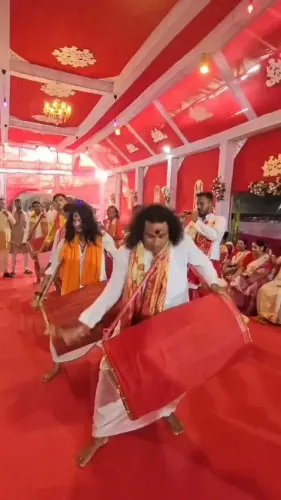
ঐতিহ্য translates from Assamese as 'heritage' or 'tradition.' The name is a statement of intent. Assam is home to dozens of indigenous and tribal communities whose material culture, oral traditions, and ritual practices are chronically under-represented in mainstream cultural programming. A multi-format festival — mixing competitive events like art and quiz competitions with academic formats like lectures and demonstrations — is a deliberate attempt to draw in audiences from students to specialists.
Museum festivals across India have increasingly moved in this direction: interactive, multi-day, and designed to dismantle the stillness that keeps many people from ever crossing a museum's threshold. The Guwahati edition fits that model — but with a sharp Northeast-specific lens that few national events replicate.
What cultural enthusiasts can expect at the Assam State Museum
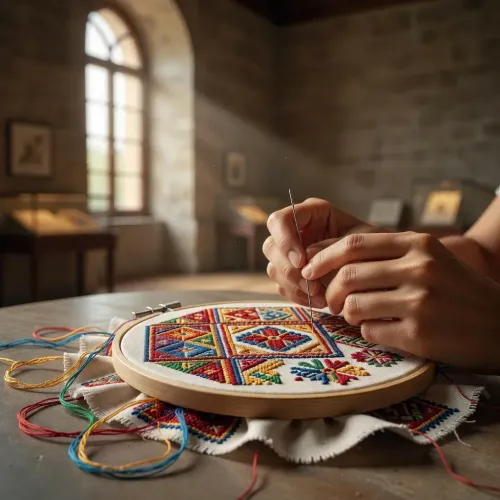
The programme spans the full spectrum from participatory to contemplative. Heritage walks will let visitors engage with Guwahati's layered historical geography. Workshops will offer hands-on encounters with craft or performance traditions. Talks and lecture-demonstrations will give academic and curatorial depth. Documentary screenings will visualise communities and practices that rarely make it to any screen. And the art and quiz competitions open the floor to younger audiences — a signal that the festival is as invested in building future heritage stewards as in celebrating past ones.
Assam's cultural calendar just got its most ambitious anchor of the late-November window. Whether the programme delivers on the breadth it promises will become clear the moment the doors open on 25 November.
Point of View
Lending it visibility and academic credibility. For a state with significant tribal populations and ongoing conversations around cultural identity, public festivals of this kind carry quiet but real political weight. The multi-format design — competitive events alongside academic ones — also points to a generational strategy: get younger audiences through the door first, let the depth do the rest.
NationPress
11 Nov 2026
Frequently Asked Questions
What is the Aitihya Museum Festival 2026?
'Aitihya - The Museum Festival 2026' is a five-day cultural festival at Assam State Museum, Guwahati, from 25 to 29 November 2026, celebrating Assam's indigenous and tribal cultural heritage through exhibitions, workshops, talks, heritage walks, documentary screenings, and competitions.
Where is the Aitihya Museum Festival 2026 being held?
The festival is being held at the Assam State Museum in Guwahati, Assam .
Who is organising the Aitihya Museum Festival?
It is organised by the Directorate of Museums and the Department of Indigenous and Tribal Faith and Culture, Government of Assam , in association with the Indira Gandhi National Centre for the Arts (IGNCA), New Delhi .
What activities are planned at the Aitihya Museum Festival 2026?
The festival includes curated exhibitions, documentary screenings, workshops, lecture-demonstrations, talks, heritage walks, and art and quiz competitions spread across five days.
What does 'Aitihya' mean?
ঐতিহ্য (Aitihya) is an Assamese word meaning 'heritage' or 'tradition,' reflecting the festival's focus on preserving and celebrating Assam's cultural legacy.