SpiceJet cancels 15-20 flights daily as fleet shrinks to 12, salaries unpaid since June
Synopsis
SpiceJet is cancelling up to 20 flights a day from a schedule of 65, operating only 12 aircraft with three grounded, and has not paid employee salaries since June 2026. With a net loss of ₹621 crore in Q2 FY26 and EBITDAR losses nearly 3.5x worse year-on-year, India's once-major budget carrier appears to be in its most precarious operational state in years.
Key Takeaways
SpiceJet is reportedly cancelling 15 to 20 flights daily out of a schedule of about 65 services .
The airline's fleet has shrunk to 12 aircraft , with three planes grounded due to unpaid lessor dues.
Employees have reportedly not received salaries since June 2026 .
Net loss widened to ₹621 crore in the quarter ended September 2025 , from ₹458 crore a year earlier; revenue fell 13.4 per cent to ₹792 crore .
EBITDAR loss expanded nearly 3.5x year-on-year to ₹203.8 crore .
SpiceJet shares closed at ₹7.68 , down 0.65 per cent , on the BSE .
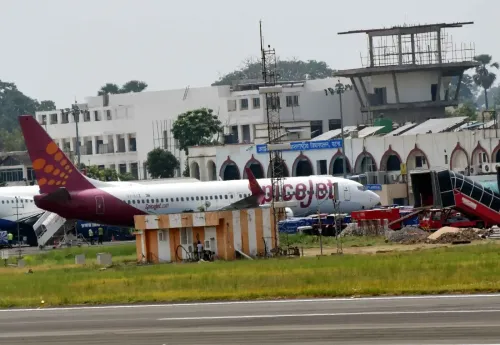
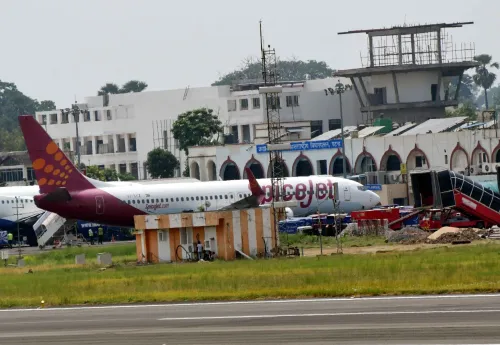
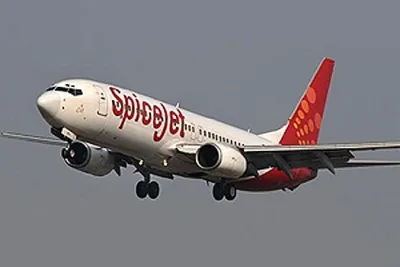
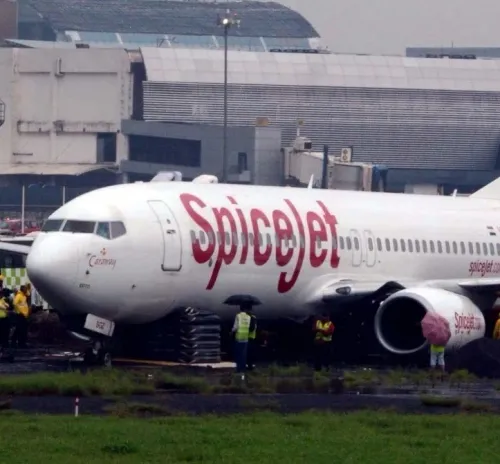
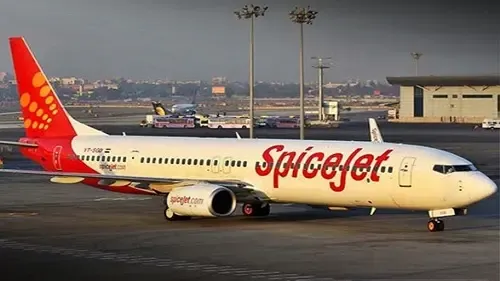
Budget carrier SpiceJet is reportedly in the grip of a deepening operational and financial crisis, cancelling between 15 and 20 flights daily out of a schedule of roughly 65 services, as mounting unpaid dues to lessors, oil companies, and airport operators squeeze its ability to function. The airline's fleet has reportedly dwindled to just 12 aircraft, with three planes grounded over unresolved lessor payment disputes.
Scale of Disruptions
Passengers have reportedly borne the brunt of the turmoil, with several flights being cancelled only after delays of three to five hours. According to reports, SpiceJet is now operating largely on a cash-and-carry basis, requiring advance payments for fuel, ground handling, and airport services — a model that leaves almost no room to absorb cost shocks or reschedule disrupted flights. The ripple effect on travellers has been significant, particularly on routes where SpiceJet is among a handful of affordable options.
Unpaid Dues and Employee Salaries
The financial strain extends well beyond grounded jets. According to sources, SpiceJet employees have not received salaries since June 2026 — a development that points to a cash position far more stressed than quarterly filings alone would suggest. The airline reportedly owes dues to aircraft lessors, oil marketing companies, airport operators, and ground-handling agencies, all of whom have reportedly tightened advance-payment conditions as a result.
Financial Performance: Losses Deepen
For the quarter ended September 2025, SpiceJet reported a net loss of ₹621 crore, up from a loss of ₹458 crore in the same period a year earlier. Revenue contracted 13.4 per cent year-on-year to ₹792 crore from ₹915 crore. The airline posted an operating loss of ₹297 crore, which included ₹120 crore in costs tied to grounded aircraft and a further ₹30 crore in return-to-service expenses.
Its EBITDAR loss, excluding foreign-exchange impact, widened sharply to ₹203.8 crore from ₹58.87 crore in the year-ago quarter — a nearly 3.5x deterioration. Notably, the airline managed a passenger load factor of 84.3 per cent during the quarter, and passenger revenue per available seat kilometre improved marginally to ₹4.04 from ₹3.91, suggesting demand is not the core problem — cost structure and cash flow are.
Market Reaction
Shares of SpiceJet ended 0.65 per cent lower at ₹7.68 on the BSE on 11 November 2026. The stock has been trading near multi-year lows, reflecting persistent investor concern about the airline's viability. This comes amid a broader period of turbulence for Indian aviation's budget segment, where SpiceJet once rivalled IndiGo for market share but has steadily ceded ground.
What Lies Ahead
The airline's ability to restore schedule reliability will depend critically on whether it can resolve outstanding dues and secure new working capital. Without a credible refinancing plan or strategic investor, analysts warn the operational situation could deteriorate further in the coming weeks. All eyes are on whether management can negotiate with lessors to bring grounded planes back into service before the high-demand winter travel season.
Point of View
But the airline is still haemorrhaging cash, which points to a structurally broken cost base rather than a demand problem. The salary freeze since June is the most alarming signal: when staff go unpaid for five months, operational discipline erodes in ways that do not show up immediately in cancellation data but eventually do in safety culture. Indian aviation's regulatory framework has historically been slow to intervene before a crisis becomes catastrophic — the Go First collapse in 2023 is the obvious reference point — and SpiceJet's trajectory warrants close DGCA oversight right now, not after the next major disruption.
NationPress
11 Nov 2026
Frequently Asked Questions
Why is SpiceJet cancelling so many flights?
SpiceJet is reportedly cancelling between 15 and 20 flights daily because of mounting unpaid dues to aircraft lessors, oil marketing companies, and airport operators. The airline is operating on a cash-and-carry basis, which limits its ability to manage disruptions, and three of its 12 aircraft are currently grounded over non-payment issues.
How many aircraft does SpiceJet currently operate?
SpiceJet's fleet has reportedly shrunk to just 12 aircraft, down significantly from earlier capacity. Three additional planes are grounded due to unresolved payments owed to lessors.
Have SpiceJet employees been paid?
According to sources, SpiceJet employees have not received salaries since June 2026 — a period of roughly five months. This represents a significant escalation of the airline's financial stress beyond its operational disruptions.
What were SpiceJet's latest financial results?
For the quarter ended September 2025, SpiceJet posted a net loss of ₹621 crore, compared with ₹458 crore in the same quarter a year earlier. Revenue declined 13.4 per cent year-on-year to ₹792 crore, and the EBITDAR loss widened nearly 3.5x to ₹203.8 crore.
What happens next for SpiceJet?
SpiceJet's recovery depends on its ability to settle dues with lessors and secure working capital to end its cash-and-carry operating model. Without a refinancing plan or strategic investor, analysts warn that operational conditions could worsen further before the peak winter travel season.