Odisha CM Orders Cyclone Arnab Relief for 3 Districts
Synopsis
The Odisha government has ordered 50 kg of rice and ₹2,500 in direct cash transfers to every Cyclone Arnab-affected household across all blocks in Ganjam, Gajapati, and Kandhamal, with daily block-level reporting to the State Emergency Operation Centre mandated by 5 PM each day.
Key Takeaways
Every Cyclone Arnab-affected family in Ganjam, Gajapati, and Kandhamal will receive 50 kg of rice and ₹2,500 in cash assistance .
Cash will be disbursed via Direct Benefit Transfer (DBT) ; special offline arrangements will cover areas where banking is disrupted.
District Collectors have been directed to immediately prepare and verify eligible-household lists before disbursement begins.
OSCSC and district supply officers will coordinate to accelerate rice lifting and distribution without bottlenecks.
Each block must submit a daily progress report to the State Emergency Operation Centre by 5 PM every evening.
The relief framework follows Odisha's established post-cyclone protocol, refined after the 1999 Super Cyclone and Cyclone Fani (2019) .
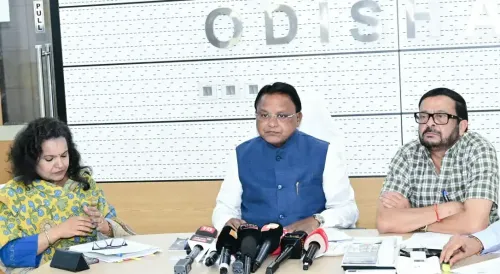
Fifty kilograms of rice and ₹2,500 in cash — that is the floor of immediate relief the Odisha state government has set for every family struck by Cyclone Arnab across Ganjam, Gajapati, and Kandhamal districts, with the Chief Minister's Office announcing the package on Wednesday, 11 November 2026.
What each affected family receives — and how fast
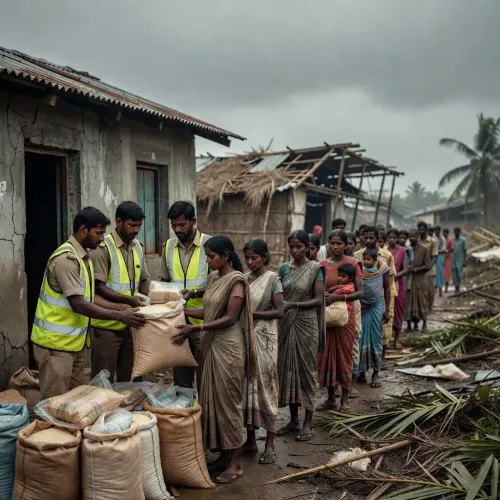
The package is explicit: 50 kg of rice and a ₹2,500 cash grant per affected household, covering every block in all three districts. The cash component will travel via Direct Benefit Transfer (DBT) straight into beneficiary bank accounts, cutting out middlemen. Where banking connectivity has been disrupted — a real risk in Gajapati's hilly interior and Kandhamal's remote tribal belts — the government has mandated 'special alternative arrangements' to ensure the money still reaches families.
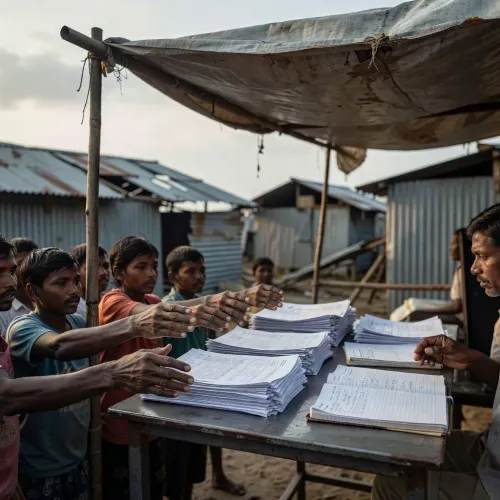
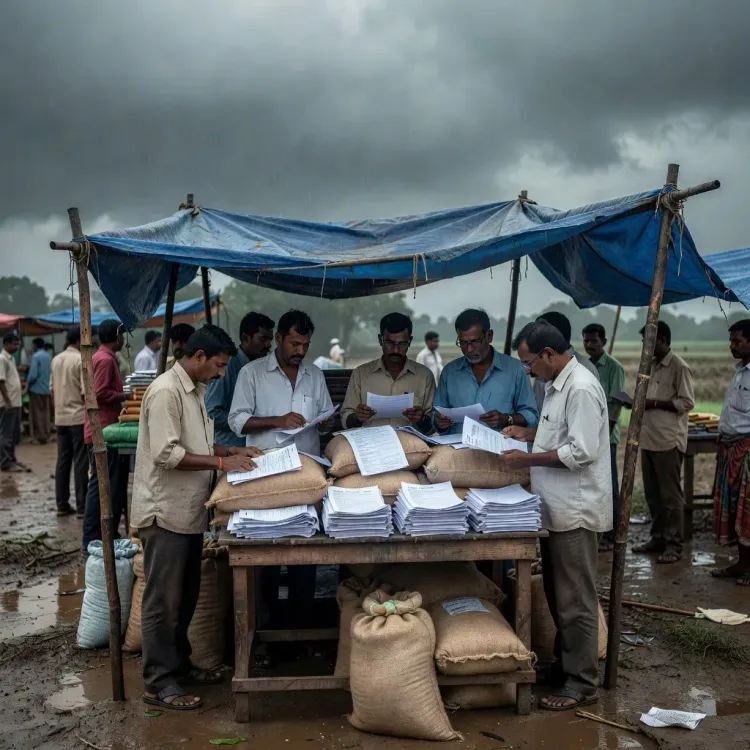
Collectors of the three districts have been directed to immediately prepare and verify lists of eligible households, a step designed to prevent both exclusion errors and duplication. That verification layer, before disbursement rather than after, reflects a hard lesson from past cyclone responses in the state.
OSCSC and the logistics chain behind the rice
The Odisha State Civil Supplies Corporation (OSCSC) — the state's nodal grain-procurement and distribution agency — has been brought into direct coordination with district supply officers to accelerate the lifting and delivery of rice without procedural bottlenecks. With three districts spanning southern coast to central highlands, the supply chain challenge is non-trivial; OSCSC's standing infrastructure makes it the fastest lever available.
Accountability is baked in from day one: each block must submit a daily progress report to the State Emergency Operation Centre by 5 PM every evening. The block-level daily reporting cadence is a known Odisha innovation — it creates an audit trail in real time and allows the state to redirect resources before gaps compound.
Why Ganjam, Gajapati, and Kandhamal keep appearing in these orders
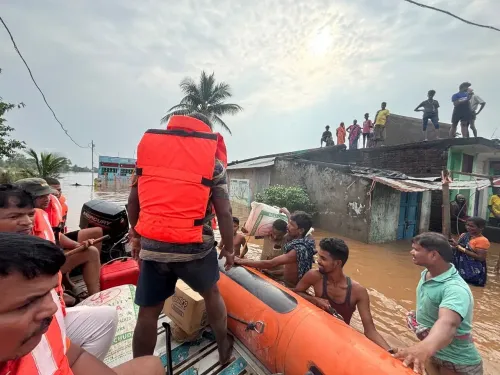
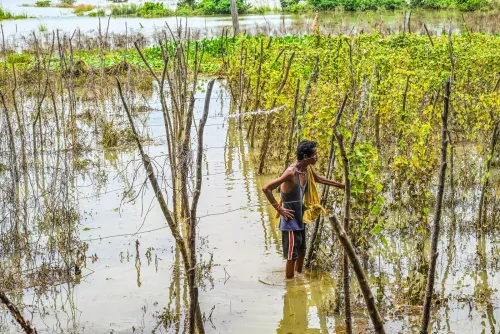
Ganjam, Odisha's most populous southern district, sits squarely on the Bay of Bengal cyclone corridor and hosts large fishing and farming communities whose livelihoods evaporate in hours when a storm makes landfall. Gajapati, bordering Andhra Pradesh in the Eastern Ghats, has significant tribal populations and terrain that makes road-based relief slow. Kandhamal, deep in central Odisha, carries both high Scheduled Tribe concentration and limited banking penetration — exactly the conditions the DBT fallback provision addresses.
Odisha's post-disaster architecture dates to the catastrophic 1999 Super Cyclone, which reshaped the state's entire emergency management doctrine. The standardised rice-plus-cash template used here was sharpened further after Cyclone Fani in 2019, when per-family allotments and DBT transfers were executed at scale across coastal Odisha. Arnab's response appears to follow that institutional playbook — the same agencies, the same accountability loops, applied with the speed that only pre-positioned protocol allows.
Odisha has repeatedly been cited as a model for cyclone preparedness in South Asia. The real test of that reputation, as always, is not the announcement — it is whether rice reaches a fisherman's family in a Ganjam village before the relief window closes.
Point of View
DBT rails, and mandatory daily reporting — that successive administrations have refined into a replicable template. The deliberate inclusion of Kandhamal, an inland tribal district, signals that the damage footprint extends well beyond the coastal strip, raising questions about how quickly relief can penetrate areas with weak banking and road access. The 5 PM daily block reporting mechanism is structurally significant: it converts relief delivery into a live performance metric, creating political accountability at the block level in real time. If implemented as announced, this response could reinforce Odisha's standing as India's benchmark state for cyclone relief administration.
NationPress
11 Nov 2026
Frequently Asked Questions
What relief is Odisha giving to Cyclone Arnab-affected families?
Every affected family in Ganjam, Gajapati, and Kandhamal districts will receive 50 kg of rice and ₹2,500 in financial assistance as emergency cyclone relief.
How will the ₹2,500 Cyclone Arnab relief money be distributed?
The ₹2,500 will be transferred directly into beneficiaries' bank accounts via DBT. In areas where banking services are disrupted, special alternative distribution arrangements will be used.
Which districts are covered under Odisha's Cyclone Arnab relief package?
The relief package covers all blocks of three Odisha districts: Ganjam, Gajapati, and Kandhamal.
What is OSCSC's role in cyclone relief distribution in Odisha?
OSCSC, the Odisha State Civil Supplies Corporation, is coordinating with district supply officers to ensure rice is lifted and distributed without delays to cyclone-affected families.
How is Odisha tracking cyclone relief delivery progress?
Every block must submit a daily progress report to the State Emergency Operation Centre by 5 PM each evening, creating a real-time accountability trail for the relief operation.