CM Bhagwant Mann Inaugurates 1,000 Sports Grounds in Punjab Villages
Synopsis
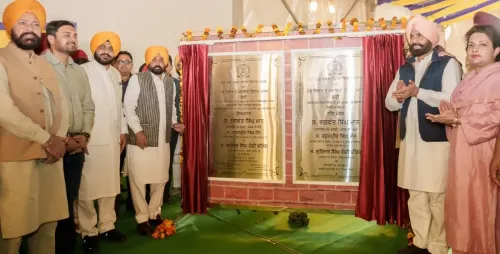
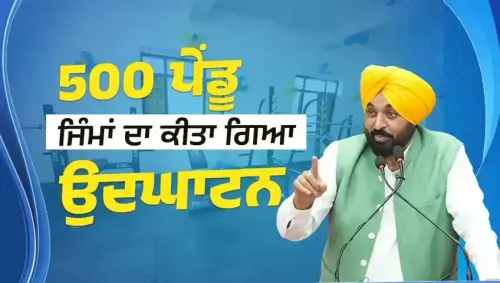
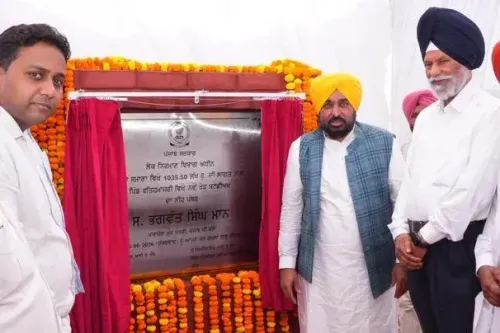
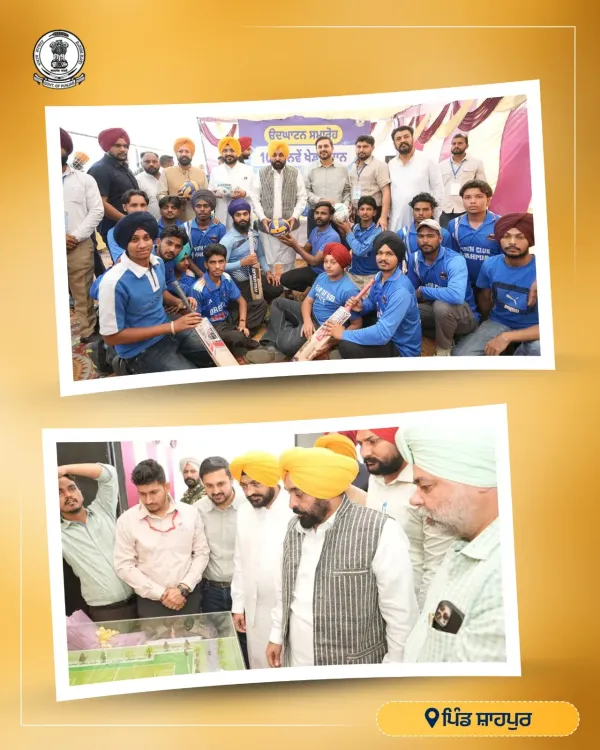
Chief Minister Bhagwant Singh Mann inaugurated 1,000 sports grounds at Shahpur village in Amloh on 11 November 2026 — the third phase of Punjab's ambitious programme to build 3,100 rural sports facilities and deepen sporting culture across the state's villages.
Key Takeaways
1,000 new sports grounds were inaugurated by CM Bhagwant Singh Mann on 11 November 2026 .
The inauguration took place at Shahpur village in the Amloh constituency, Fatehgarh Sahib district, Punjab .
These grounds are part of the third phase of a state-wide plan to build 3,100 sports grounds across Punjab's villages.
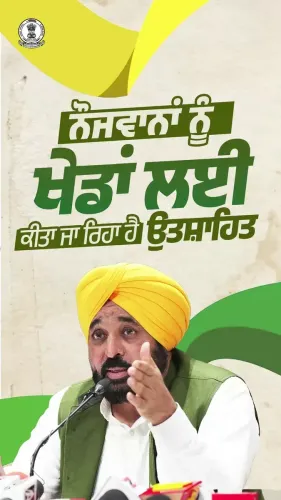
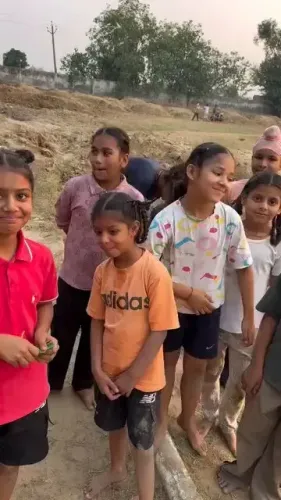
The initiative aims to connect Punjab's rural youth with organised sports and strengthen grassroots sporting culture.
The programme has been a priority of the Aam Aadmi Party government since it took office in March 2022 .
Completion and active use of all 3,100 grounds across remaining phases remains the key metric to watch.
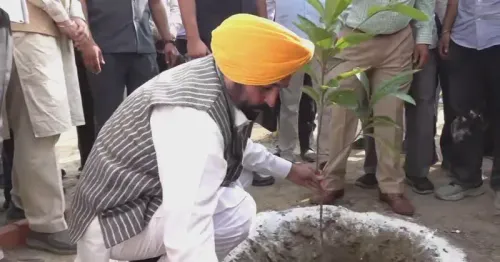
A thousand new sports grounds opened in a single day — that is the scale of what Chief Minister Bhagwant Singh Mann delivered on Wednesday, 11 November 2026, when he inaugurated the third phase of Punjab's state-wide rural sports infrastructure drive at Shahpur village in the Amloh constituency of Fatehgarh Sahib district.
What the third phase unlocks across Punjab's villages
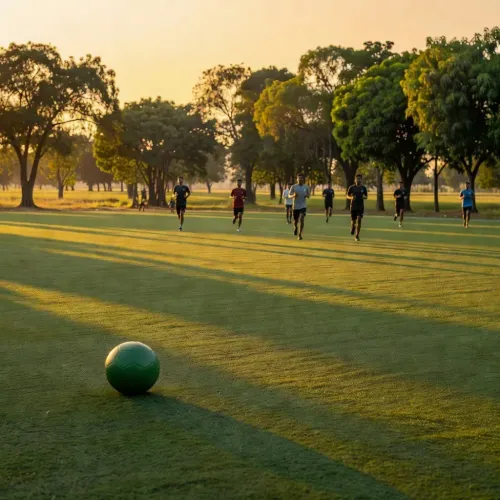
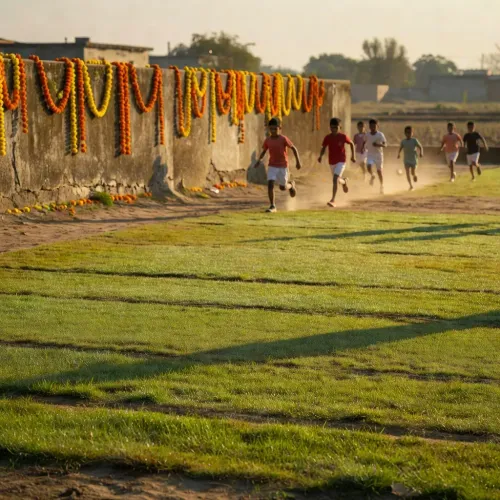
The 1,000 grounds inaugurated on Wednesday form part of a larger, phased state commitment to establish 3,100 sports grounds across Punjab's rural belt. With this third-phase rollout now live, the programme has cleared its latest milestone — bringing structured play infrastructure directly to village communities that have historically relied on open fields with little to no formal facilities.
The Chief Minister's Office framed the initiative explicitly around two goals: connecting Punjab's youth with organised sport, and deepening a khel sanskriti (sporting culture) in villages where talent often goes unnoticed for want of a proper ground.
Amloh as launchpad — and the AAP's rural sports bet
Choosing Shahpur village in Amloh as the inauguration site is not incidental. Amloh sits in the heartland of rural Punjab, and the selection signals that the rollout is designed for constituency-level visibility alongside genuine coverage. Since the Aam Aadmi Party swept to power in March 2022, the Mann government has repeatedly positioned village sports infrastructure as a pillar of its youth-engagement agenda — a replicable, visible proof-point that governance reaches the last village, not just the last mile.
Punjab governments across administrations have periodically invested in village-level sports facilities to promote physical activity and surface grassroots talent. What distinguishes the current drive is its stated scale: 3,100 grounds across three phases — an ambition larger than most previous state-level sport-infrastructure programmes in the region.
What comes next for the remaining phases
With Phase 3 now inaugurated, attention turns to the completion and utilisation of all 3,100 grounds under the full programme. The critical question is not just whether the infrastructure gets built — it is whether it generates consistent sporting activity: district-level competitions, coaching programmes, and eventual talent pipelines. That is the gap between a ribbon-cutting and a genuine cultural shift.
For now, a thousand villages in Punjab have a new place to play. Whether that ground becomes a stage for the next Olympian or simply a healthier afternoon for rural youth — either outcome, Mann's government would argue, is worth every rupee.
Point of View
100 rural sports grounds is one of the AAP government's most tangible youth-policy bets — it trades in visibility and scale rather than elite-facility prestige, targeting the village level where previous administrations rarely committed sustained capital. At a political level, inaugurating Phase 3 at a constituency ground keeps rural constituencies primed ahead of future electoral cycles. The deeper policy question is whether the infrastructure is backed by programming — coaching, competitions, talent identification — or remains a construction milestone. If the latter, Punjab risks repeating the national pattern of well-built grounds that fall into disuse within a few years.
NationPress
11 Nov 2026
Frequently Asked Questions
How many sports grounds has Punjab inaugurated under this initiative?
Punjab's Chief Minister Bhagwant Singh Mann inaugurated 1,000 sports grounds on 11 November 2026 as part of the third phase. The full programme targets 3,100 grounds across all phases.
Where were the 1,000 sports grounds inaugurated in Punjab?
The inauguration ceremony took place at Shahpur village in the Amloh constituency of Fatehgarh Sahib district, Punjab.
What is Punjab's 3,100 sports grounds scheme?
It is a phased Punjab government programme to construct village-level sports facilities across the state, aimed at connecting rural youth with organised sports and strengthening grassroots sporting culture.
Which phase of the Punjab sports grounds programme was launched on 11 November 2026?
The third phase of the 3,100 sports grounds initiative was inaugurated on 11 November 2026 by Chief Minister Bhagwant Singh Mann.
Which party governs Punjab and when did it start this sports initiative?
The Aam Aadmi Party (AAP) , led by Chief Minister Bhagwant Singh Mann, has governed Punjab since March 2022 and prioritised rural sports infrastructure as part of its youth-engagement agenda from the outset.