CM Bhupendra Patel Hails ₹62,370 Cr NBS Nod for Rabi 2026–27
Synopsis
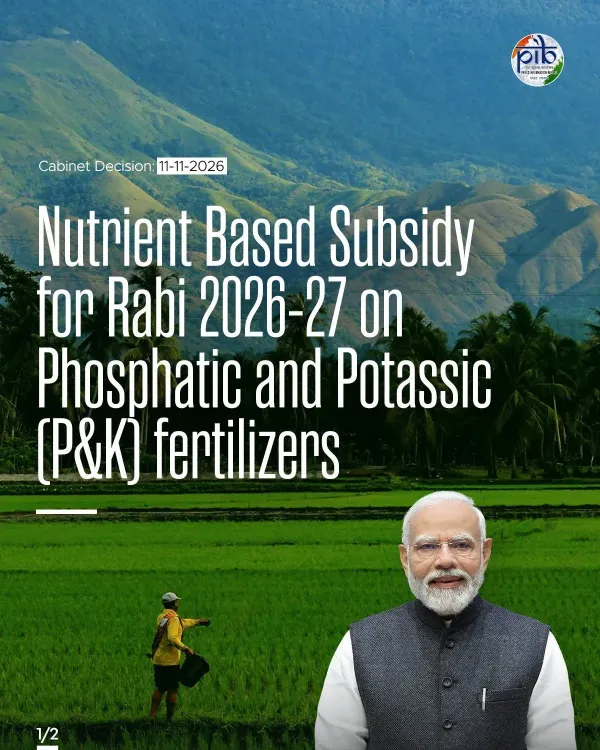
The Union Cabinet approved Nutrient Based Subsidy rates for Rabi 2026–27 with an outlay of ₹62,370.02 crore, covering key P&K fertilizers including DAP and NPKS grades. Gujarat CM Bhupendra Patel hailed the move as a shield for farmers against global price volatility.
Key Takeaways
The Union Cabinet approved NBS rates for the Rabi 2026–27 season (October 1, 2026 – March 31, 2027).
The dedicated outlay is approximately ₹62,370.02 crore .
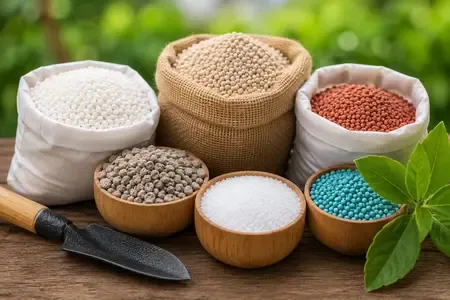
Subsidies cover key P&K fertilizers including DAP and NPKS grades .
The NBS scheme has been operational since April 2010 , providing fixed per-kilogram subsidies tied to nutrient content.
The objective is to maintain regulated retail prices and shield farmers from global fertilizer price surges.
Gujarat CM Bhupendra Patel publicly credited PM Modi and the Union Cabinet for the decision.
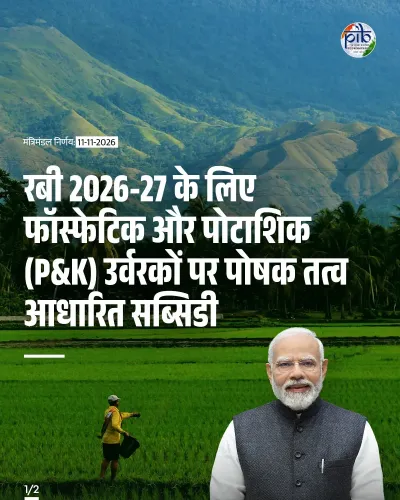
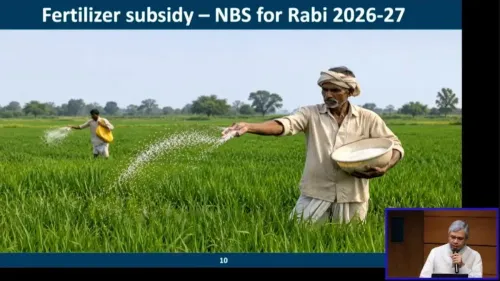
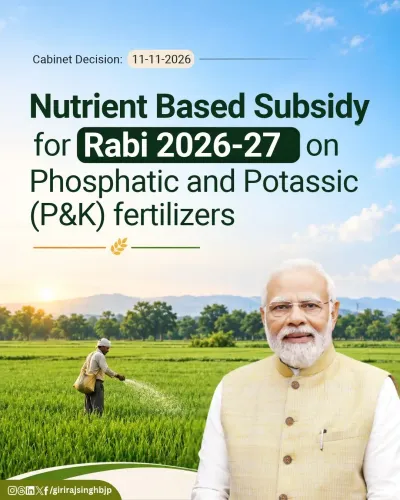
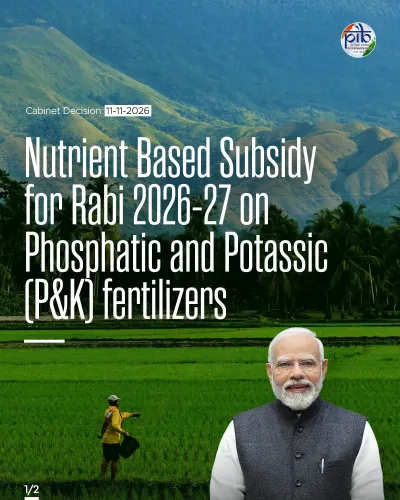
When global fertilizer prices spike, Indian farmers pay the price — unless the government steps in. Gujarat Chief Minister Bhupendra Patel on Wednesday, November 11, 2026, publicly welcomed the Union Cabinet's decision to approve Nutrient Based Subsidy rates for the Rabi 2026–27 season (October 1, 2026 to March 31, 2027), backed by a dedicated outlay of approximately ₹62,370.02 crore.
Patel credited Prime Minister Narendra Modi and the Cabinet for what he called a 'farmer-first decision', saying it 'insulates our Annadatas from global price surges by rationalising subsidies across key P&K fertilizers — including DAP and NPKS grades.' The goal: abundant, affordable, and uninterrupted fertilizer supply at regulated rates to lower cultivation costs and secure bumper harvests.
What the NBS Scheme Does — and Why It Matters Every Season
The Nutrient Based Subsidy scheme, introduced in April 2010, replaced an older, ad-hoc concession regime for decontrolled phosphorus and potassium fertilizers. Under NBS, the government fixes a per-kilogram subsidy linked to nutrient content — meaning manufacturers receive a known, predictable support amount, while farmers buy at regulated retail prices regardless of how volatile international raw-material markets become.
The logic is straightforward: global prices for inputs like phosphoric acid and muriate of potash can swing sharply with geopolitical and supply-chain shocks. Without a seasonal subsidy buffer, those swings would land directly on the farmer's input bill. By locking in NBS rates before each Rabi and Kharif cycle, the government essentially draws a firewall between the global commodity market and the Indian village.
DAP and NPKS at the Centre of Rabi Demand
Diammonium Phosphate (DAP) is among the most widely used fertilizers in India's Rabi season, prized for its dual nitrogen-and-phosphorus punch at the time of sowing wheat, mustard, and pulses. NPKS-grade complex fertilizers address broader multi-nutrient deficiencies in soils across different agro-climatic zones. Together, these categories form the backbone of Rabi field preparation — which is why subsidy clarity before October 1 is operationally critical for both farmers and distributors.
Successive Union Cabinets have followed this seasonal approval pattern. The scale of the current outlay — over ₹62,000 crore — reflects both the breadth of coverage and the government's stated commitment to holding retail prices steady even as international input costs remain unpredictable.
What to Watch as the Rabi Window Opens
The bigger question now shifts from Cabinet approval to ground-level delivery. State-level distribution networks, retailer margins, and last-mile availability will determine whether this outlay translates into actual price stability at the village cooperative or the local agri-input shop. Any sharp mid-season move in global phosphate or potash markets could also test whether the fixed subsidy holds or requires revision.
For the government, this decision also feeds into a longer narrative around balanced nutrient use — pushing farmers away from urea over-dependence toward multi-nutrient fertilizers through price signals embedded in the NBS design itself.
Sixty-two thousand crore rupees is a significant bet on farm stability. The Rabi harvest will tell us whether it paid off.
Point of View
370 crore outlay signals that the government is absorbing elevated global input costs rather than passing them on to farmers ahead of a critical sowing window. For the BJP, it also serves a clear political-agrarian function: visible, pre-harvest relief to the Annadatas is a durable electoral asset. CM Patel's prompt public endorsement from Gujarat — itself a major Rabi-crop state — reflects the party's choreographed effort to amplify farm-welfare messaging at every tier of government. The real policy test, however, lies in distribution: a generous national outlay means little if state-level logistics fail to put subsidised fertilizer in the farmer's hands before the soil is tilled.
NationPress
11 Nov 2026
Frequently Asked Questions
What is the Nutrient Based Subsidy scheme in India?
The Nutrient Based Subsidy scheme, introduced in April 2010, provides fixed per-kilogram subsidies on phosphorus and potassium fertilizers based on their nutrient content, ensuring farmers can buy these at regulated retail prices regardless of global market swings.
How much has the government allocated for fertilizer subsidy in Rabi 2026–27?
The Union Cabinet approved an outlay of approximately ₹62,370.02 crore for Nutrient Based Subsidy rates covering the Rabi 2026–27 season from October 1, 2026 to March 31, 2027.
Which fertilizers are covered under the NBS Rabi 2026–27 approval?
The approval covers key phosphorus and potassium fertilizers including DAP (Diammonium Phosphate) and various NPKS complex grades widely used during the Rabi sowing season.
What is the difference between NBS fertilizers and urea in India?
Urea is separately controlled and heavily subsidised under a different framework, while NBS covers decontrolled P&K fertilizers like DAP and NPKS, with the government paying a fixed per-kg subsidy to manufacturers so retailers can sell at regulated prices.
Why does India fix fertilizer subsidy rates before each Rabi and Kharif season?
India fixes NBS rates seasonally to give farmers, retailers, and manufacturers certainty before sowing begins, insulating domestic agriculture from mid-season international price volatility in raw materials like phosphoric acid and muriate of potash.