Amit Shah: Cooperatives Will Be Bedrock of Viksit Bharat 2047
Synopsis
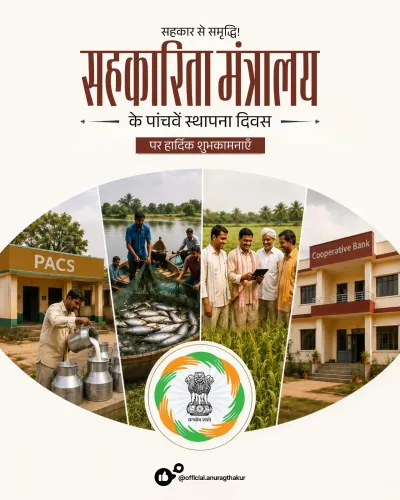
Union Home Minister Amit Shah marked five years of the Sahkar Se Samridhi initiative on 6 July 2026, declaring the cooperative movement the foundational pillar of a prosperous India by 2047. The milestone follows structural reforms including PACS digitisation and multi-state cooperative law amendments since the Ministry of Cooperation was established in July 2021.
Key Takeaways
Amit Shah posted on 6 July 2026 marking five years of the Sahkar Se Samridhi cooperative initiative.
He declared the cooperative movement will be the 'strong foundation of a prosperous India' when the country celebrates its centenary of independence in 2047 .
The Ministry of Cooperation , India's first dedicated cooperative ministry, was established in July 2021 with Shah as its inaugural minister.
The government has pursued computerisation of 63,000 PACS and is developing a new National Cooperative Policy to replace the 2002 framework.
Cooperatives spanning dairy, rural credit, and agriculture are central stakeholders in the government's Viksit Bharat 2047 development vision.
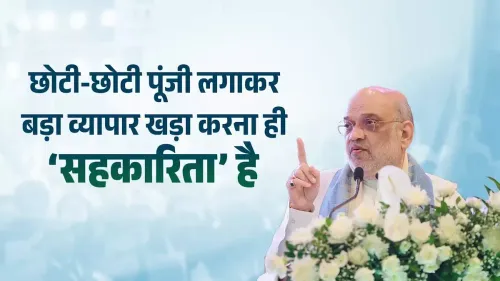
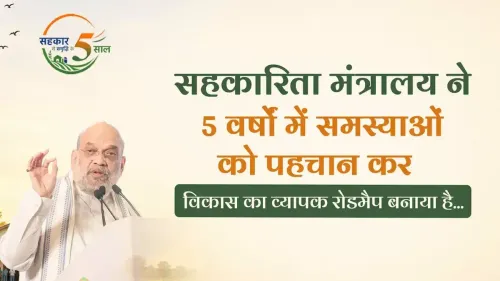
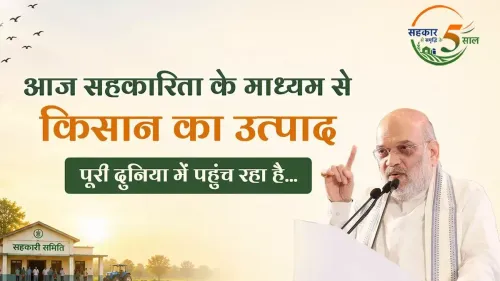
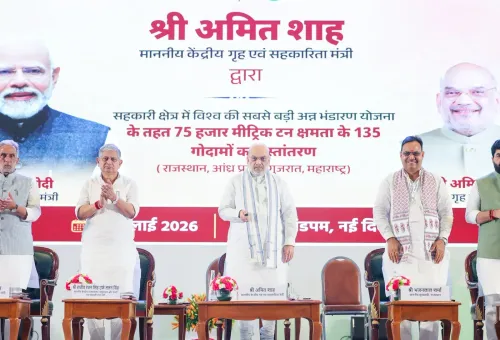
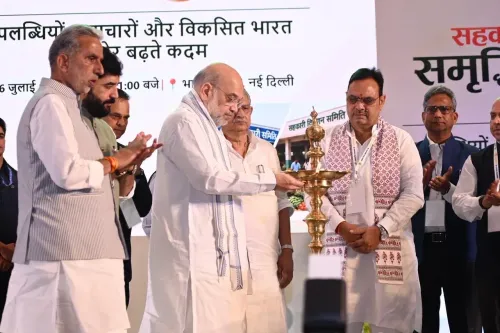
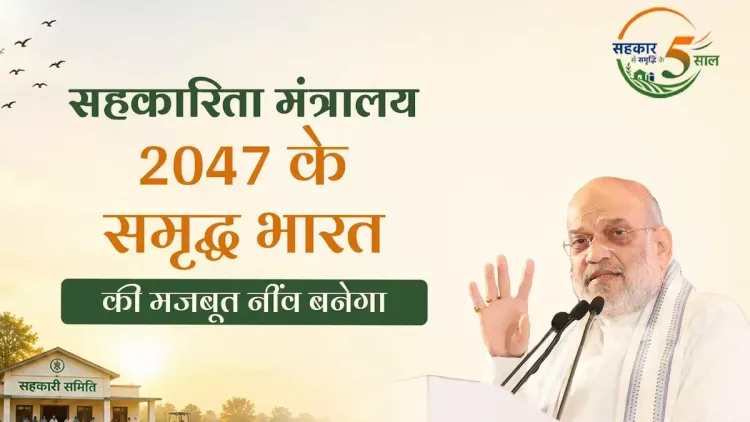
Union Home Minister and Minister of Cooperation Amit Shah on Monday, 6 July 2026, invoked India's centenary of independence to position the cooperative movement as the foundational pillar of a prosperous nation, marking five years of the government's Sahkar Se Samridhi initiative with the hashtag #SahkarSeSamriddhiKe5Saal.
In his post, Shah wrote: 'जब देश 2047 में आजादी की शताब्दी मनाएगा, तब समृद्ध भारत की मजबूत नींव सहकारिता आंदोलन होगा' — ('When the country celebrates the centenary of independence in 2047, the cooperative movement will be the strong foundation of a prosperous India.') The statement links five years of cooperative policy reform directly to the long-term Viksit Bharat 2047 national vision.
Context
The post marks the fifth anniversary of India's dedicated Ministry of Cooperation, established in July 2021 — the first time since independence that the cooperative sector received its own ministry. Shah was appointed the ministry's inaugural minister, signalling the government's intent to elevate cooperatives from a legacy rural-credit mechanism to a central pillar of economic architecture. The five-year milestone arrives as the government has sought to reframe cooperatives not merely as credit channels but as instruments of decentralised employment and rural prosperity.
Policy Backdrop
Since the ministry's creation, several structural reforms have been set in motion. The computerisation of 63,000 Primary Agricultural Credit Societies (PACS) was launched in 2022-23 with central funding, aimed at digitising the grassroots cooperative credit infrastructure that serves millions of rural farmers. Simultaneously, the government initiated consultations for a new National Cooperative Policy to replace the framework last updated in 2002, seeking to align cooperative governance with digital public infrastructure and contemporary economic realities.
Amendments to multi-state cooperative laws have also been pursued to modernise governance norms, improve accountability, and expand the footprint of cooperatives into newer sectors such as organic farming and exports. These steps are positioned within the broader Atmanirbhar Bharat and Viksit Bharat 2047 narratives, which treat cooperative institutions as vehicles for bottom-up, decentralised growth.
Stakeholders and Impact
The cooperative sector in India encompasses a vast network of institutions — from dairy cooperatives and rural credit societies to urban consumer bodies — touching the lives of farmers, rural households, and small producers across the country. Primary Agricultural Credit Societies in particular serve as the last-mile financial link for rural communities, and their modernisation is seen as critical to expanding formal credit access. Dairy cooperatives, which aggregate the produce of millions of small farmers, represent another major constituency for whom policy stability and institutional strengthening carry direct livelihood implications.
The government's framing ties cooperative growth to the aspiration of a 'Samridh Bharat' (prosperous India) by 2047, suggesting that rural and semi-urban cooperative networks are expected to be significant contributors to the country's developmental targets over the next two decades.
What's Next
Key policy milestones to watch include the finalisation and parliamentary consideration of the new National Cooperative Policy, the rollout of a national cooperative database and census, and the expansion of multi-state cooperatives into sectors beyond traditional credit and dairy. As the Viksit Bharat 2047 roadmap gains legislative and budgetary shape in coming years, the cooperative sector's integration into that framework — and the pace of PACS digitisation on the ground — will serve as a practical measure of whether the ministry's five-year foundation translates into the 'strong bedrock' Shah envisions.
Point of View
Viksit Bharat 2047. By anchoring the cooperative movement to the centenary of independence, the government is staking a claim that cooperative infrastructure is not peripheral welfare policy but central economic architecture. This framing also serves a political function: cooperatives have deep roots in states where the BJP has sought to expand its rural base, and the ministry's five-year anniversary provides a moment to assert ownership of a sector historically associated with regional parties and state governments. The real test will come with the National Cooperative Policy's finalisation and whether PACS digitisation delivers measurable credit expansion at the village level.
NationPress
5 Oct 2026
Frequently Asked Questions
What is Sahkar Se Samridhi?
Sahkar Se Samridhi is a government campaign meaning 'prosperity through cooperatives,' launched alongside India's dedicated Ministry of Cooperation in July 2021 to strengthen and modernise the cooperative sector.
Why did India create a separate Ministry of Cooperation?
The Ministry of Cooperation was established in July 2021 to give the cooperative sector dedicated policy focus, digitisation support, and institutional backing for the first time since independence, with Amit Shah appointed as its first minister.
What is Viksit Bharat 2047?
Viksit Bharat 2047 is the Indian government's official vision to make India a fully developed nation by 2047, the centenary of independence, and serves as the overarching framework for major economic and social policies.
What is PACS computerisation and why does it matter?
The computerisation of 63,000 Primary Agricultural Credit Societies (PACS) is a centrally funded scheme launched in 2022-23 to digitise grassroots cooperative credit institutions, improving financial access for rural farmers across India.
What comes next for India's cooperative policy?
Key upcoming milestones include the finalisation of a new National Cooperative Policy to replace the 2002 framework, the launch of a national cooperative database and census, and expansion of multi-state cooperatives into sectors like organic farming and exports.