Amit Shah marks 5 years of cooperative sector reforms
Synopsis
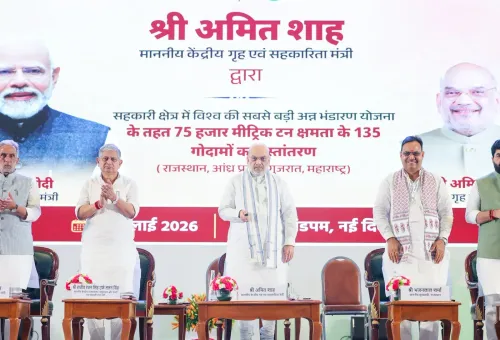
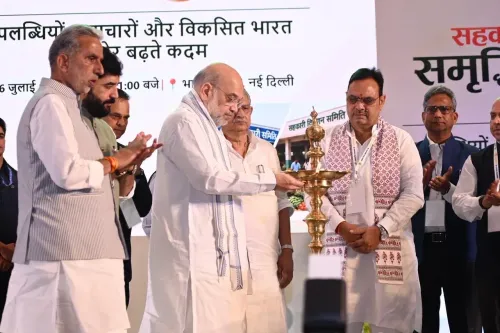
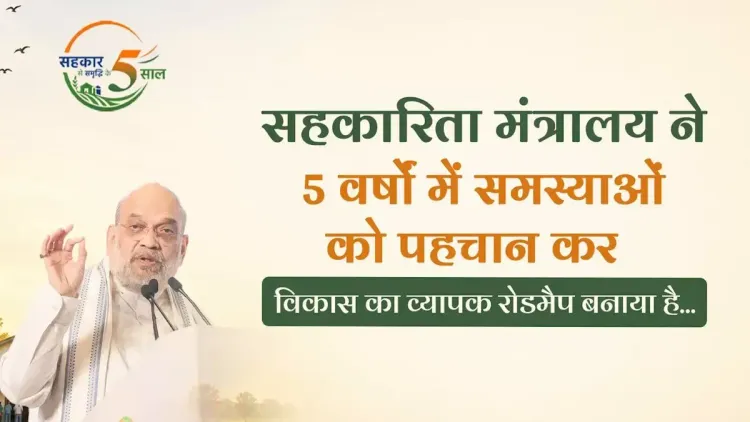
Union Home Minister Amit Shah on July 6, 2026 marked five years of the Ministry of Cooperation, stating it has identified sector problems, built solutions, and prepared a comprehensive development roadmap under the 'Sahkar Se Samridhi' campaign.
Key Takeaways
The Ministry of Cooperation was established in July 2021 as India's first dedicated central ministry for the cooperative sector.
Union Home Minister Amit Shah holds the cooperation portfolio in addition to the home ministry.
The government claims to have prepared a comprehensive roadmap covering problem identification, solutions, and future growth for cooperatives over five years.
Key reform measures have included model bye-laws for cooperative societies and computerisation of Primary Agricultural Credit Societies (PACS) .
Farmers and rural cooperative societies are the primary beneficiaries of the ministry's work.
Future legislative action and state-level adoption of model rules will determine how the roadmap is implemented.
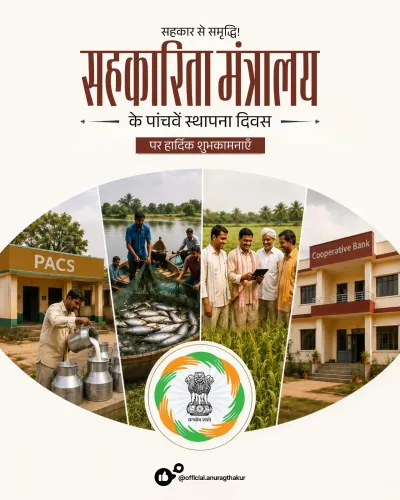
Union Home Minister Amit Shah on Monday, July 6, 2026, highlighted the completion of five years of work by the Ministry of Cooperation, stating that the ministry has identified problems in the cooperative sector, developed solutions, and prepared a comprehensive roadmap for future growth and development.
Context
Shah posted on X with the hashtag #SahkarSeSamriddhiKe5Saal ('Five Years of Prosperity Through Cooperation'), marking what the government frames as a milestone in cooperative sector governance. His post states that the ministry has, over five years, 'samasyaon ki pehchaan kar samaadhaan, bhavishy ki sambhaavanaon aur vikaas ka vyaapak roadmap taiyaar kiya hai' — 'identified problems, developed solutions, and prepared a comprehensive roadmap for future possibilities and development.'
The post was accompanied by a video, suggesting a broader communication push around the anniversary of cooperative sector reforms.
Policy Backdrop
The Ministry of Cooperation was established in July 2021 as a dedicated central ministry — a first for India — with Amit Shah appointed as its minister. The creation of the ministry was framed as giving focused policy attention to a sector that had previously been managed under the Agriculture Ministry.
Since its formation, the ministry has pursued measures including the introduction of model bye-laws for cooperative societies and the computerisation of Primary Agricultural Credit Societies (PACS), aimed at improving transparency and governance. These steps are part of a broader effort, ongoing since 2014, to integrate cooperatives more closely with national development programmes covering agriculture, rural credit, and marketing.
The cooperative sector in India encompasses hundreds of thousands of societies and serves millions of farmers and rural households, making it a significant pillar of the rural economy.
Stakeholders and Impact
Farmers and cooperative societies across India are the primary stakeholders in this policy domain. Cooperatives play a central role in agricultural credit, input supply, and produce marketing, particularly for small and marginal farmers.
The government's five-year review and roadmap, as described by Shah, signals continued federal commitment to resolving structural and governance challenges within the sector. Improved cooperative functioning can directly affect rural incomes, access to institutional credit, and agricultural productivity.
What's Next
Attention will now turn to whether the roadmap referenced by Shah translates into new legislative proposals or policy instruments in forthcoming Parliamentary sessions. State-level adoption of model cooperative rules and the pace of PACS computerisation will be key indicators of on-ground implementation.
The five-year milestone also sets a political and administrative benchmark ahead of the next electoral cycle, with the government likely to use cooperative sector outcomes as a measure of rural development delivery.
Point of View
With the BJP government seeking to consolidate its rural and agrarian credentials ahead of future electoral contests. The creation of a standalone cooperation ministry in 2021 was itself a strategic signal, elevating a sector long associated with regional parties and state-level politics to the national agenda. Shah's framing of a 'comprehensive roadmap' suggests the ministry intends to move beyond foundational reforms toward more ambitious structural changes, potentially including new legislation. Whether state governments — many of which regulate cooperatives under their own frameworks — align with the central roadmap will be the real test of this policy arc.
NationPress
5 Oct 2026
Frequently Asked Questions
What is the Ministry of Cooperation in India?
The Ministry of Cooperation is a dedicated central ministry established in July 2021 to give focused policy attention to India's cooperative sector, covering agricultural credit societies, dairy cooperatives, marketing federations, and more. Amit Shah has served as its minister since its formation.
What is 'Sahkar Se Samridhi'?
'Sahkar Se Samridhi' translates to 'Prosperity Through Cooperation' and is the government's campaign highlighting reforms and development work in the cooperative sector. The hashtag '#SahkarSeSamriddhiKe5Saal' marks five years of this initiative.
What has the Ministry of Cooperation done in five years?
Over five years, the ministry has worked on model bye-laws for cooperative societies, computerisation of Primary Agricultural Credit Societies (PACS), and regulatory reforms. The government states it has also prepared a comprehensive roadmap for future development of the sector.
How does the cooperative sector affect farmers in India?
India's cooperative sector serves millions of farmers through agricultural credit, input supply, and produce marketing. Strengthening cooperatives is seen as a direct lever for improving rural incomes and expanding access to institutional finance for small and marginal farmers.
Will there be new cooperative legislation in India?
No specific legislation has been confirmed, but observers are watching Parliamentary sessions for new cooperative law proposals based on the five-year roadmap. State-level adoption of model cooperative rules is also being monitored as a parallel track.