Amit Shah credits Modi, Doval for military tech-valour fusion
Synopsis
Home Minister Amit Shah praised PM Modi and NSA Ajit Doval on 1 August 2026 for fusing technology with military valour to enhance India's armed forces strike capability, citing a decade of structural and doctrinal reforms including the CDS post and Atmanirbhar Bharat in defence.
Key Takeaways
Amit Shah credited PM Modi and NSA Ajit Doval with enhancing the Indian military's strike capability through a fusion of technology and valour.
The Chief of Defence Staff post, created in December 2019 , was a landmark structural reform aimed at tri-service integration.
The Atmanirbhar Bharat defence initiative, launched in 2020 , pushed for indigenous design, development and production of military equipment.
Successive defence budgets since 2014 have prioritised capital acquisitions, R&D and private-sector participation.
Ajit Doval has served as National Security Advisor since 2014 and is credited with shaping counter-terrorism doctrine and strategic planning.
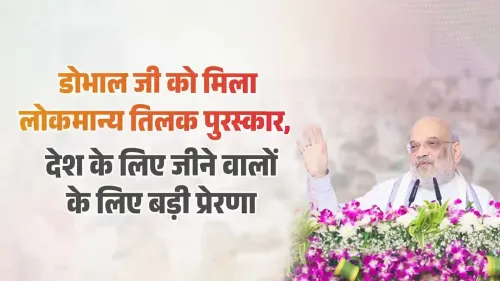
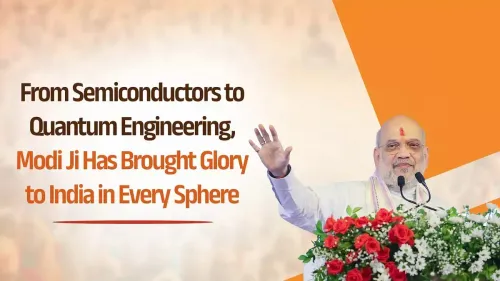
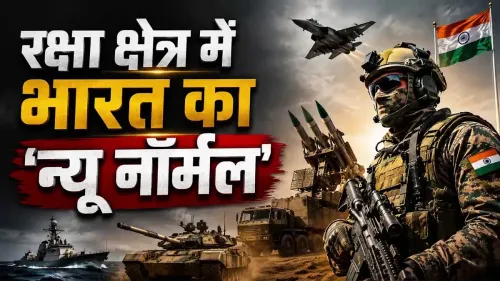
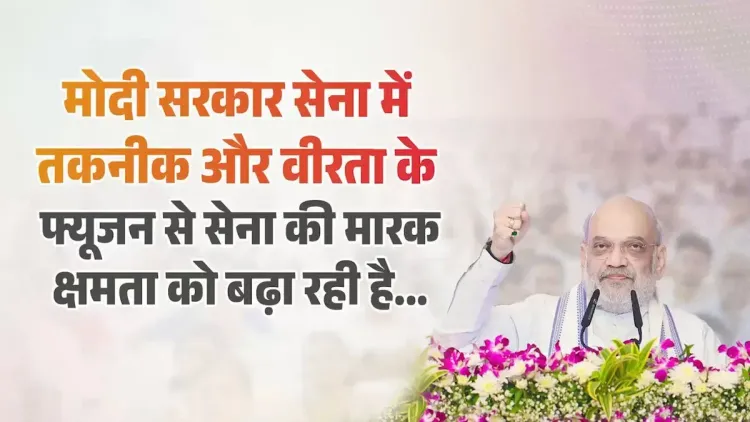
Technology and battlefield courage, fused together — that is how Union Home Minister Amit Shah describes the transformation of India's armed forces under Prime Minister Narendra Modi. In a post on X on Saturday, 1 August 2026, Shah credited both Modi's leadership and National Security Advisor Ajit Doval for sharpening the military's strike capability through a deliberate blend of modern technology and traditional warrior ethos.
Shah's post in Hindi stated: 'Modi ji ke netritva mein sena mein takneek aur veerata ka fusion kar uski marak kshamata ko badhaya gaya, isme Ajit Doval ji ka bhi mahatvapurna yogdan raha' — 'Under Modi ji's leadership, technology and valour have been fused in the armed forces to enhance their strike capability; Ajit Doval ji has also made an important contribution to this.'
A decade of doctrinal and structural change
The claim is rooted in a series of concrete policy moves. In December 2019, the government created the post of Chief of Defence Staff (CDS), the most significant structural reform in India's military in decades, designed to drive tri-service integration and joint operational planning. That was followed in 2020 by the Atmanirbhar Bharat push in defence — a drive to replace imports with indigenously designed, developed and produced weapons, platforms and systems.
Successive defence budgets since 2014 have prioritised capital acquisitions and research and development, with growing private-sector participation in areas ranging from drones to warships. The emphasis on 'jointness' — the ability of the Army, Navy and Air Force to operate as a single, coordinated force — has been a recurring theme of military reform under the current dispensation.
Doval's role in doctrine and operations
Ajit Doval, who has served as National Security Advisor since 2014, is widely credited with shaping India's counter-terrorism doctrine and contributing to high-stakes operational decisions. His influence extends beyond intelligence coordination to strategic planning, making him one of the most consequential NSAs in India's post-independence history. Shah's explicit name-check elevates Doval's contribution to the same tier as the Prime Minister's policy direction — a notable framing.
The post aligns with a sustained political narrative: that the decade since 2014 has produced a qualitatively different Indian military — one that combines indigenous firepower with technological edge and a sharpened operational doctrine. Whether measured in procurement timelines, budget allocations or structural reforms, the policy record provides substantive ground for the argument Shah is making.
As parliamentary debates on defence procurement and the future shape of theatre commands continue, the political leadership's messaging on military transformation is only likely to grow louder — and more specific.
Point of View
Shah signals that the security establishment's intellectual architecture is as much a political asset as the PM's leadership. The framing of 'technology plus valour' is also strategically significant: it allows the ruling party to claim both modernisation (appealing to urban, aspirational voters) and martial tradition (appealing to defence families and nationalists). With parliamentary debates on theatre commands and procurement reforms ongoing, this messaging sets the political terms for those debates before they fully land in public discourse.
NationPress
1 Aug 2026
Frequently Asked Questions
What did Amit Shah say about the Indian Army on 1 August 2026?
Amit Shah said that under PM Modi's leadership, technology and valour have been fused in the Indian armed forces to enhance their strike capability, and that NSA Ajit Doval has made an important contribution to this transformation.
What is Ajit Doval's role in India's defence modernisation?
Ajit Doval has served as India's National Security Advisor since 2014 and is credited with shaping counter-terrorism doctrine, contributing to strategic operational planning, and coordinating national security policy across agencies.
What is the Chief of Defence Staff post and when was it created?
The Chief of Defence Staff (CDS) post was created in December 2019 to improve integration and joint operational planning among the Indian Army, Navy and Air Force — the most significant structural military reform in decades.
What is Atmanirbhar Bharat in the context of defence?
Launched in 2020, Atmanirbhar Bharat in defence is a policy initiative to reduce India's dependence on weapons imports by promoting indigenous design, development and production of military equipment, with growing private-sector participation.
How has India's defence budget changed since 2014?
Since 2014, successive defence budgets have increasingly prioritised capital acquisitions, research and development, and private-sector involvement, reflecting a policy focus on modernising equipment and raising indigenous production capacity.