Amit Shah hails 12 years of Modi govt's national security record
Synopsis
Home Minister Amit Shah marked 12 years of the Modi government by citing surgical strikes, the Balakot air strike, Operation Sindoor, the Article 370 revocation, near-elimination of Naxalism, and over 12 Northeast peace accords as evidence of India's transformed national security posture.
Key Takeaways
Union Home Minister Amit Shah posted on 17 June 2026 listing national security milestones under 12 years of the Modi government .
Shah cited the 2016 surgical strike , the 2019 Balakot air strike , and Operation Sindoor as examples of India's kinetic cross-border responses.
The revocation of Article 370 in August 2019 and the reorganisation of Jammu and Kashmir were highlighted as a landmark internal security measure.
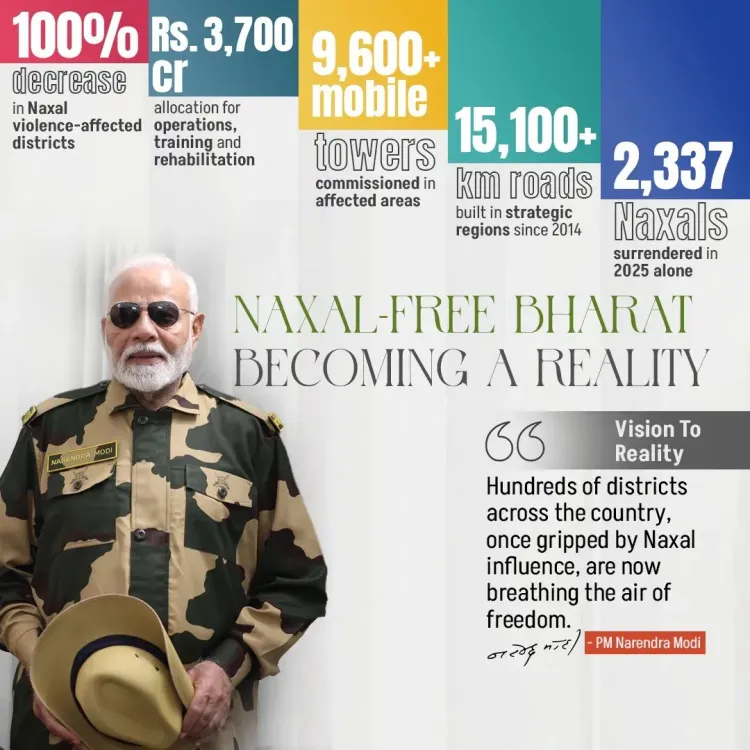
The government claims near-eradication of Naxalism, with the anti-LWE campaign covering over 90 affected districts .
Over 12 peace accords in the Northeast are cited as evidence of successful negotiated settlements with former insurgent groups.
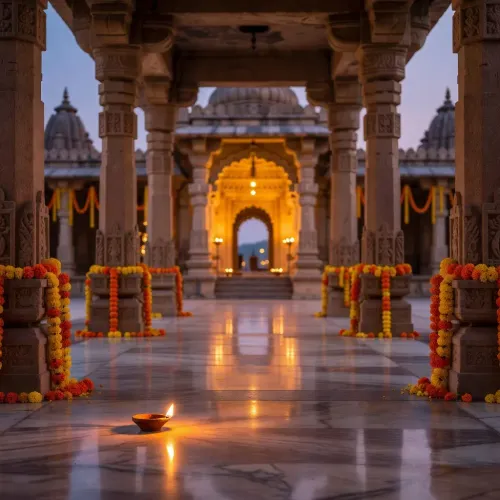
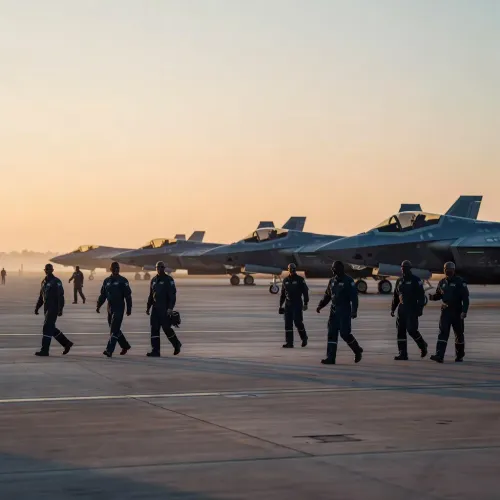
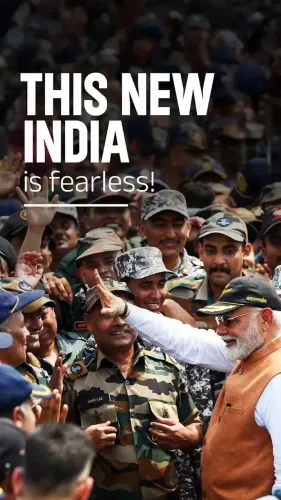
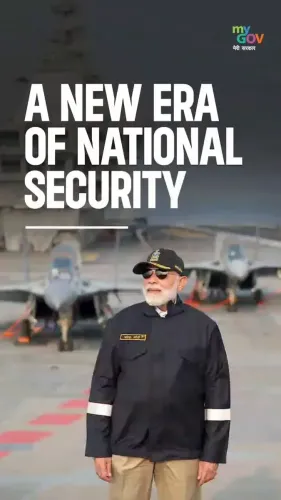
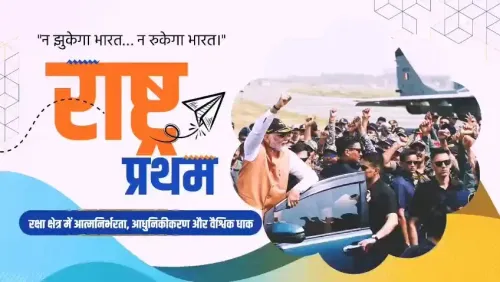
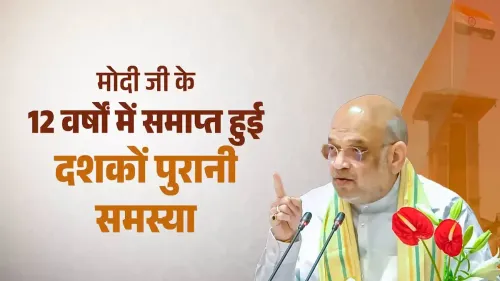
The post was accompanied by 4 images and tagged #12YearsOfSurakshitBharat , signalling a coordinated anniversary communications push.
Union Home Minister Amit Shah on Wednesday, 17 June 2026 highlighted what he described as a comprehensive transformation of India's national security posture over the 12 years of the Modi government, citing cross-border military operations, the revocation of Article 370, the near-eradication of Naxalism, and over 12 peace accords in the Northeast as defining achievements.
Context
Posting under the hashtag #12YearsOfSurakshitBharat (12 Years of a Secure India), Shah declared that the nation has been 'rebuilt as a bastion of security that shields the citizens and unleashes destruction upon its enemies.' The post marks the completion of 12 years since the Narendra Modi-led government took office in May 2014, and frames the anniversary around a security-first narrative spanning both external threats and internal challenges.
Shah specifically named the 2016 surgical strike, the Balakot air strike of 2019, and Operation Sindoor as instances of India responding to cross-border enemies 'with firepower.' These operations have each marked a doctrinal shift away from strategic restraint toward publicly acknowledged kinetic responses.
Policy Backdrop
The 2016 surgical strike across the Line of Control, conducted by the Indian Army in response to the Uri attack, was the first such operation to be officially acknowledged by the government. It was followed by the Indian Air Force's strike on a Jaish-e-Mohammed camp in Balakot, Pakistan, in February 2019, after the Pulwama attack that killed over 40 CRPF personnel.
The revocation of Article 370 in August 2019 stripped Jammu and Kashmir of its special constitutional status and was accompanied by the Jammu and Kashmir Reorganisation Act, which bifurcated the state into two Union Territories. Shah has consistently described this as a foundational step toward full integration of the region with the Indian Union.
On the internal security front, the government's anti-Naxal policy evolved from earlier rehabilitation frameworks into the 2017 National Policy and Action Plan, which expanded security infrastructure across 90 Naxal-affected districts in central and eastern India. The administration has claimed a significant reduction in Left-Wing Extremism-related violence and geographic spread over this period.
Stakeholders and Impact
Residents of Jammu and Kashmir have experienced a decade of administrative and political transition following the abrogation, with elections to the restored Legislative Assembly held in 2024. Tribal and rural communities in Chhattisgarh, Jharkhand, Odisha, and neighbouring states have been the primary stakeholders in the anti-Naxal campaign, which has combined security operations with the Aspirational Districts Programme.
In the Northeast, the government's claim of over 12 accords encompasses agreements with formerly active insurgent groups, including pacts related to Assam and boundary settlements. These settlements have drawn down decades-old armed movements, though implementation and rehabilitation of former combatants remain ongoing processes.
The Indian Armed Forces and central paramilitary organisations have been central actors across all three theatres — external, Naxal, and Northeast — and the government has consistently linked increased defence budgets and infrastructure investment to the outcomes Shah cited.
What's Next
Parliamentary scrutiny of internal security metrics — including the annual Crime in India report and the status of amendments to the Unlawful Activities (Prevention) Act — will provide independent benchmarks against which these claims can be assessed. The rollout of the fourth phase of the Aspirational Districts Programme in remaining Naxal-affected blocks will be a key policy test in the months ahead. As the ruling dispensation frames its 12-year record ahead of future electoral cycles, national security is expected to remain a central pillar of its political messaging.
Point of View
Constitutional reorganisation, and counter-insurgency — into a single 'Surakshit Bharat' (Secure India) narrative. The choice to name specific operations rather than speak in abstractions signals that the ruling party intends to contest the security terrain aggressively ahead of future electoral cycles. The framing also implicitly responds to opposition critiques of governance by pivoting to an area where the government's public approval has historically been robust. Whether the claims hold up to independent parliamentary scrutiny — particularly on Naxal district data and Northeast accord implementation — will determine how durable this narrative proves.
NationPress
17 Sept 2026
Frequently Asked Questions
What is Operation Sindoor that Amit Shah mentioned?
Operation Sindoor is cited by Union Home Minister Amit Shah as one of India's cross-border military responses under the Modi government . Detailed independent documentation of the operation's scope and outcomes is still emerging and should be verified through official government statements.
What was the surgical strike of 2016?
The 2016 surgical strike was an Indian Army operation conducted across the Line of Control in response to the Uri attack , in which militants killed 19 soldiers. It was the first such cross-border operation to be officially acknowledged by the Indian government.
What happened after Article 370 was revoked?
Article 370 was revoked by Parliament in August 2019 , removing Jammu and Kashmir's special constitutional status. The state was simultaneously bifurcated into two Union Territories — Jammu and Kashmir and Ladakh — under the Jammu and Kashmir Reorganisation Act, and Legislative Assembly elections were held in 2024 .
How has Naxalism changed under the Modi government?
The government's anti-Naxal campaign expanded security infrastructure across over 90 Left-Wing Extremism-affected districts under the 2017 National Policy and Action Plan . Authorities claim a significant reduction in both LWE-related violence and the geographic spread of Naxal influence since 2014 , though full eradication has not been independently verified.
How many peace accords has the Modi government signed in the Northeast?
Union Home Minister Amit Shah states that over 12 accords have been signed in the Northeast under the Modi government , covering former insurgent groups in states including Assam . These agreements have formally ended several long-running armed movements, with rehabilitation of former combatants still ongoing.