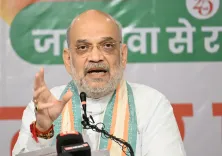
Amit Shah Claims Naxalism, Terror, Art. 370 Resolved in 12 Yrs
Synopsis
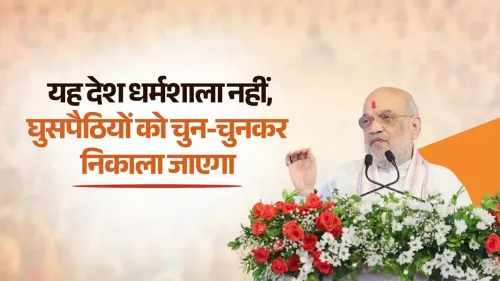
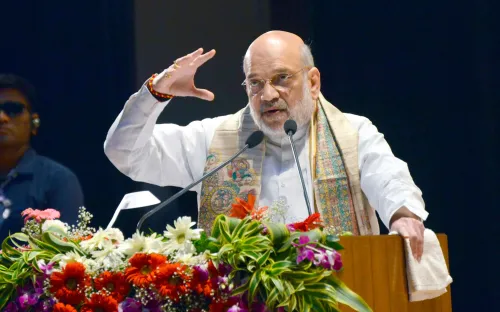
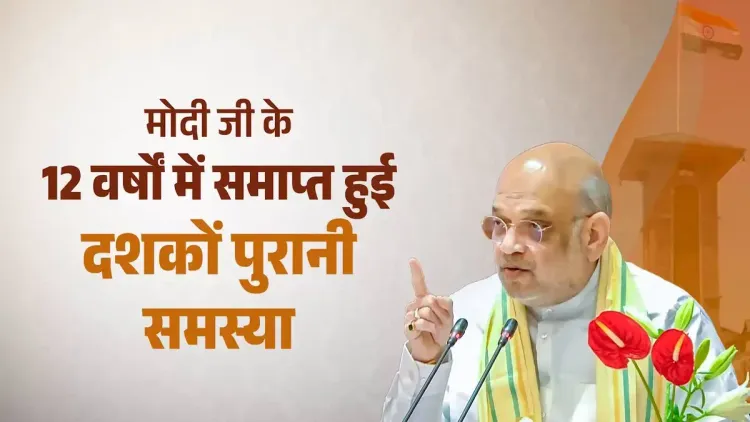
Union Home Minister Amit Shah on 11 June 2026 claimed that decades-old problems of Naxalism, terrorism, and Article 370 were resolved within 12 years of BJP governance, in a post on X that included a video.
Key Takeaways
Union Home Minister Amit Shah posted on 11 June 2026 claiming resolution of Naxalism, terrorism, and Article 370 within 12 years .
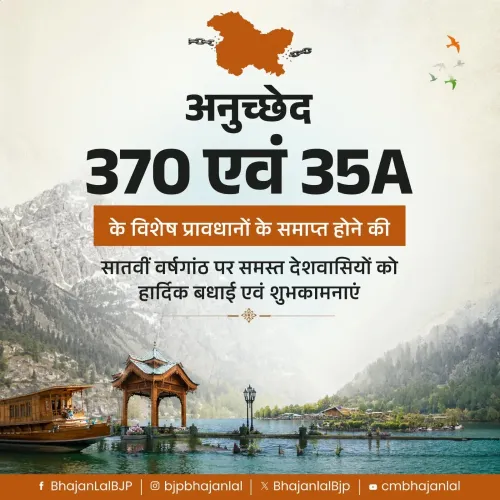
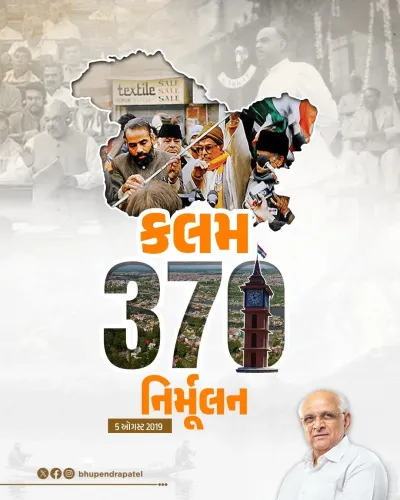
Article 370 was abrogated on 5 August 2019 , reorganising Jammu and Kashmir into two Union Territories.
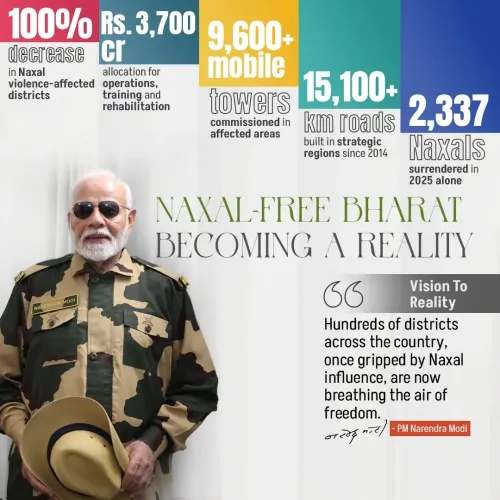
The government has cited a declining number of Maoist-affected districts as evidence of progress against Left-Wing Extremism since 2014.
The post aggregates three distinct long-running internal security challenges under a single governance narrative.
Stakeholders include residents of Jammu and Kashmir and tribal communities in Chhattisgarh , Jharkhand , and Odisha .
Upcoming Jammu and Kashmir assembly elections and LWE district development packages will be key tests of these claims.
Union Home Minister Amit Shah on Thursday, 11 June 2026 claimed that decade-old challenges of Naxalism, terrorism, and the abrogation of Article 370 — problems that had persisted for decades — were resolved within 12 years of the BJP-led government coming to power. The assertion came via a post on X that also included a video.
Context
Shah's post, written in Hindi, stated: 'Dashkon purani Naxalvad, aatankvaad aur Dhara 370 aadi ki samasya ko 12 varshon mein samapt kiya' — ('The decades-old problems of Naxalism, terrorism, and Article 370 etc. were resolved within 12 years.'). The statement aggregates three distinct and long-running internal security challenges under a single narrative of resolution, framing them as milestones of governance delivered within one political era.
The claim comes at a politically significant moment, as the BJP continues to consolidate its record on national security ahead of upcoming electoral cycles. The use of 'etc.' in the original post suggests the government is positioning these three issues as representative of a broader set of challenges addressed since 2014.
Policy Backdrop
On 5 August 2019, Parliament revoked Article 370, stripping Jammu and Kashmir of its special constitutional status and reorganising the former state into two Union Territories — Jammu and Kashmir and Ladakh. The move was described by the government as a step toward full national integration and was among the most consequential constitutional actions of the Modi government's first term.
On the Naxal front, the central government has since 2014 pursued an intensified counter-insurgency strategy through coordinated security operations, expansion of the central armed police forces' grid, and targeted development schemes in Left-Wing Extremism (LWE)-affected districts. The government has repeatedly cited a declining number of Maoist-affected districts as evidence of progress. Cross-border terrorism, particularly in Jammu and Kashmir, has similarly been a central plank of the Home Ministry's security agenda.
Stakeholders and Impact
The communities most directly affected by these policy shifts include residents of Jammu and Kashmir, who have lived under altered governance structures since the 2019 reorganisation, and tribal and rural communities across central and eastern India in states such as Chhattisgarh, Jharkhand, and Odisha — the historical heartland of Naxal activity. Central armed police forces, including the CRPF and BSF, have been the primary instruments of the government's counter-insurgency campaigns.
Opposition parties and civil society groups have at various points contested the government's framing of these issues as 'resolved', arguing that ground-level security challenges and civilian concerns persist in both J&K and LWE-affected regions.
What's Next
Assembly elections in Jammu and Kashmir and any further parliamentary action on anti-Naxal legislation or development packages for LWE districts will be closely watched as tests of the government's claims. Shah's statement is likely to feature prominently in the BJP's political communication in the coming months, as the party seeks to consolidate its internal security narrative as a core electoral credential ahead of state and national polls.
Point of View
Quotable political assertion. By invoking Naxalism, terrorism, and Article 370 together, the Home Ministry is signalling that internal security will remain a central pillar of the party's electoral identity. The framing of 'decades-old problems resolved in 12 years' is classic incumbent messaging, designed to contrast the BJP era with the preceding UPA years. Whether the claim withstands scrutiny on the ground — particularly in J&K and LWE-affected districts — will determine how effectively it lands with voters beyond the party's base.
NationPress
14 Sept 2026
Frequently Asked Questions
What did Amit Shah say about Article 370 and Naxalism?
Amit Shah claimed on 11 June 2026 that decades-old problems including Naxalism, terrorism, and Article 370 were resolved within 12 years of BJP governance.
When was Article 370 abrogated in India?
Article 370 was abrogated on 5 August 2019 by Parliament, removing Jammu and Kashmir's special constitutional status and reorganising it into two Union Territories.
Has Naxalism been eliminated in India?
The central government has claimed significant reductions in Naxal-affected districts since 2014, but the research notes that claims of complete termination as of 2026 cannot be independently verified from available data.
What is Left-Wing Extremism policy in India?
India's National Policy and Action Plan on Left-Wing Extremism, pursued since 2014, combines security operations by central armed police forces with targeted development schemes in affected districts.
What is the BJP's internal security record?
The BJP-led government has highlighted the abrogation of Article 370 in 2019, reduced Maoist-affected districts, and counter-terrorism operations in Jammu and Kashmir as key internal security achievements since 2014.