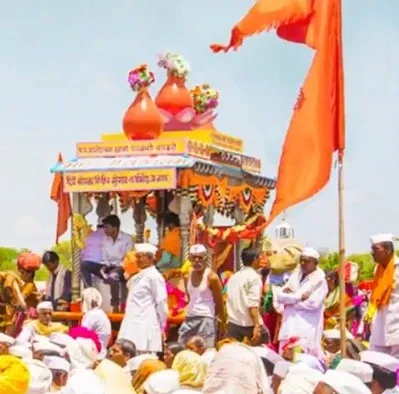
Amit Shah extends Ashadhi Beej greetings to Kutchi community

Synopsis
Union Home Minister Amit Shah extended Ashadhi Beej greetings to the Kutchi community on 16 July 2026, posting in the Kutchi dialect and invoking the blessings of Maa Ashapura for happiness, peace, and prosperity in the new year.
Key Takeaways
Amit Shah posted Ashadhi Beej greetings on 16 July 2026 in the Kutchi dialect , a deliberate linguistic choice to address the community directly.
Ashadhi Beej falls on the second day of the Ashadha month in the Hindu lunar calendar and marks the traditional Kutchi new year and start of the agricultural season.
Shah invoked Maa Ashapura , the presiding deity of Kutch , wishing the community happiness, peace, prosperity, and progress.
The Kutchi community has a significant presence across Gujarat , Mumbai , and a global diaspora spanning East Africa, the UK , and the US .
The greeting is part of a consistent pattern of BJP leaders from Gujarat issuing culturally targeted messages for regional Hindu new year festivals.
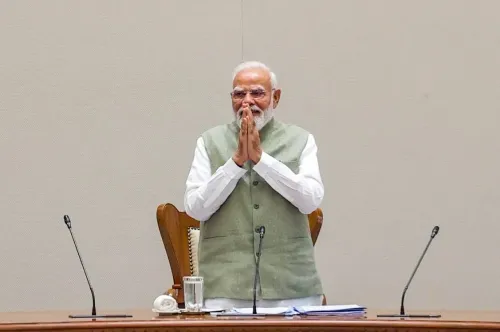
Union Home Minister Amit Shah on Thursday, 16 July 2026, extended warm new year greetings to the Kutchi community on the occasion of Ashadhi Beej, the traditional Kutchi new year, invoking the blessings of Maa Ashapura for prosperity and peace in the year ahead.
Context
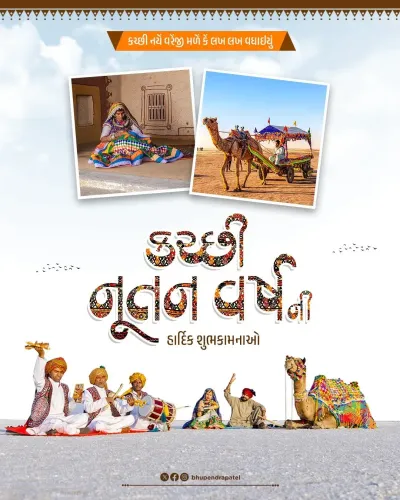
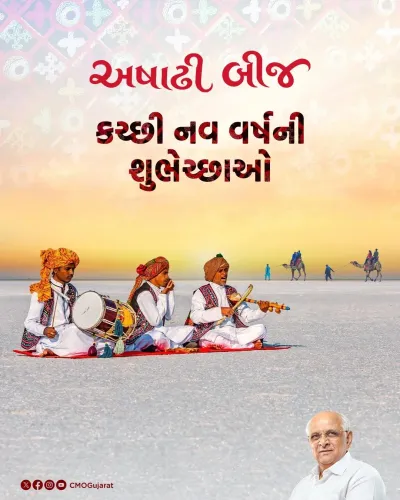
Posting in the Kutchi dialect, Shah wrote, 'સૌ કચ્છી માડુંઓને કચ્છી નવા વર્ષ અષાઢી બીજ ના રામ રામ' — 'Warm greetings of Ram Ram to all Kutchi people on the Kutchi new year, Ashadhi Beej.' He opened his message with the traditional Kutchi phrase 'જજીયું જજીયું વંધાઈંયું', a customary salutation exchanged during the festival, signalling a deliberate effort to address the community in its own tongue rather than in standard Gujarati or Hindi.
Shah further expressed his heartfelt wishes that 'the boundless blessings of Maa Ashapura continue to shower upon you all, and that the coming new year bring happiness, peace, prosperity, and progress into your lives.'
Policy Backdrop
Ashadhi Beej falls on the second day of the Ashadha month in the Hindu lunar calendar and marks the traditional start of the agricultural season in Kutch district, Gujarat. The festival carries deep cultural significance for the Kutchi-speaking community spread across Gujarat and in diaspora settlements worldwide. Maa Ashapura, whose principal temples are located in Kutch, is the presiding deity of the region and her invocation is central to Ashadhi Beej observances.
The festival is accompanied by large community fairs, known locally as melas, and cultural gatherings across Kutch. The Gujarat government has in recent years supported state-level cultural programmes around the occasion, reflecting the festival's prominence in the regional calendar.
Stakeholders and Impact
The Kutchi community constitutes a distinct linguistic and cultural group within Gujarat, with a strong presence in districts such as Bhuj, Anjar, Gandhidham, and Mundra, as well as in major cities including Mumbai and Ahmedabad. The diaspora extends to East Africa, the United Kingdom, and the United States, making Ashadhi Beej a globally observed occasion for Kutchis.
BJP leaders from Gujarat, including Shah, have consistently issued greetings for regional Hindu new year festivals — among them Gudi Padwa and Ugadi — as part of a broader outreach strategy to linguistic and community groups within the state. Posting in the Kutchi dialect, rather than Gujarati or Hindi, is seen as a targeted gesture of cultural affinity with this specific community.
What's Next
Community melas and cultural events in Kutch are expected to mark the festival over the coming days, with local administrations in Bhuj and surrounding areas typically facilitating public gatherings. Any state-level programme organised by the Gujarat government in connection with Ashadhi Beej would draw further attention to the occasion's official recognition. For the Kutchi diaspora, the festival will be observed through community associations across the globe, keeping the cultural tradition alive beyond Gujarat's borders.
Point of View
Language-specific festival greetings that reinforce the party's grassroots ties with sub-regional communities. As a senior Gujarat leader and the country's Home Minister, Shah's annual outreach around festivals like Ashadhi Beej serves both a cultural and a political function, keeping the party visible during community celebrations. The invocation of Maa Ashapura, the region's most revered deity, adds a devotional register that resonates strongly with Kutchi identity across generations and geographies.
NationPress
15 Oct 2026
Frequently Asked Questions
What is Ashadhi Beej?
Ashadhi Beej is the Kutchi new year festival observed on the second day of the Ashadha month in the Hindu lunar calendar. It marks the traditional start of the agricultural season in Kutch, Gujarat, and is celebrated with community fairs, prayers, and cultural events.
Who is Maa Ashapura?
Maa Ashapura is the presiding goddess of the Kutch region in Gujarat. Her principal temples are located in Kutch, and her blessings are traditionally invoked during Ashadhi Beej and other major regional festivals.
Why did Amit Shah post in Kutchi dialect?
Shah posted in the Kutchi dialect as a targeted cultural gesture to address the Kutchi-speaking community in their own language. BJP leaders from Gujarat have consistently used regional dialects and languages in festival greetings as part of community outreach.
Where is Kutch and who are Kutchis?
Kutch is a large district in the western part of Gujarat, India. Kutchis are a distinct linguistic and cultural community who speak the Kutchi dialect. They have a significant presence in cities like Bhuj, Gandhidham, Mumbai, and Ahmedabad, as well as in diaspora communities in East Africa, the UK, and the US.
When is Ashadhi Beej celebrated in 2026?
In 2026, Ashadhi Beej falls on 16 July , the second day of the Ashadha month in the Hindu lunar calendar, as indicated by Amit Shah's post on that date.