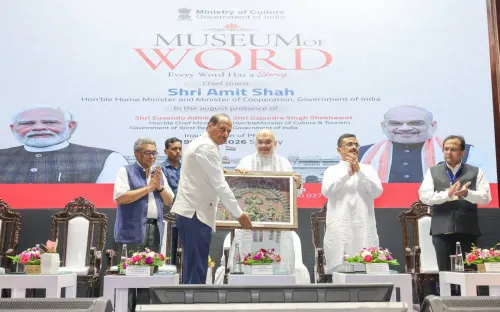
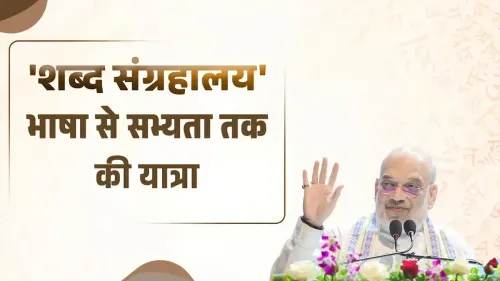
Amit Shah Inaugurates 'Shabda Sangrahalay' at Kolkata's National Library
Synopsis
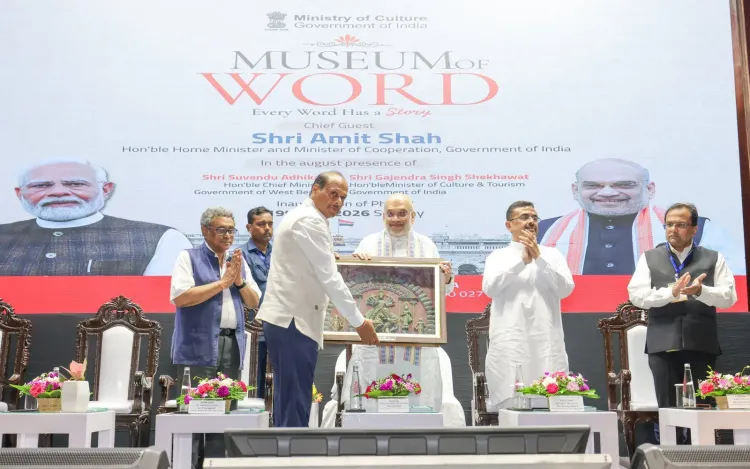
Union Home Minister Amit Shah on July 19, 2026 inaugurated the first phase of 'Shabda Sangrahalay', a digital museum at Kolkata's National Library of India covering India's 22 scheduled languages and dialects across 9 digital galleries, aimed at preserving the country's linguistic and cultural heritage for future generations.
Key Takeaways
Union Home Minister Amit Shah announced the inauguration of the first phase of Shabda Sangrahalay on July 19, 2026 .
The digital language museum is located at the National Library of India in Kolkata , India's largest library established in 1953 .
The museum covers 22 of India's scheduled languages and various dialects, spread across 9 state-of-the-art digital galleries .
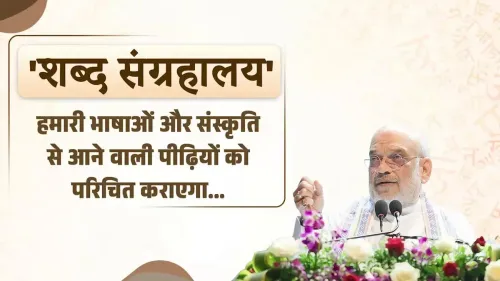
Shah described it as a medium to transmit India's languages, cultures, and knowledge traditions to future generations.
The initiative aligns with the National Education Policy 2020 's emphasis on mother-tongue education and linguistic diversity.
The announcement referenced a 'first phase', indicating further phases of the museum are planned.
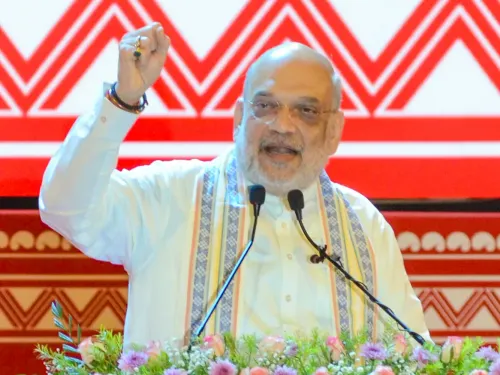
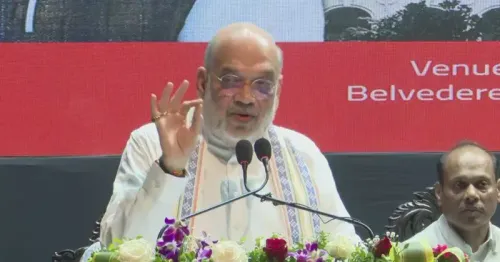
Union Home Minister Amit Shah on Sunday, July 19, 2026, announced the inauguration of the first phase of 'Shabda Sangrahalay' — a digital language museum — at the National Library of India in Kolkata, describing it as a significant step in the cultural renaissance being advanced under Prime Minister Narendra Modi's leadership.
Posting in Bengali on X, Shah wrote: 'আজ কলকাতার ন্যাশনাল লাইব্রেরি অফ ইন্ডিয়ায় শব্দ সংগ্রহালয়-এর প্রথম পর্যায়ের উদ্বোধন করা হলো' ('Today, the first phase of Shabda Sangrahalay was inaugurated at the National Library of India in Kolkata'). He added that the museum would serve as a powerful medium to transmit India's languages, cultures, and knowledge traditions to future generations.
Context
The Shabda Sangrahalay — literally 'museum of words' — has been set up to cover India's 22 scheduled languages, various dialects, and features 9 state-of-the-art digital galleries. The museum is housed at the National Library of India, the country's largest library, established in 1953 and functioning under the Ministry of Culture. Shah described it as an institution that will be 'extremely useful and valuable' for language enthusiasts, researchers, and educators across the country.
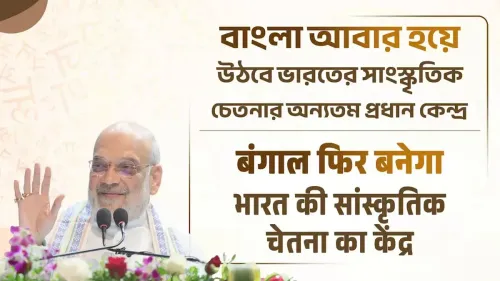
The post, written in Bengali — the dominant language of the region — signals a deliberate outreach to West Bengal's linguistic community. The choice of Kolkata, a historic centre of Indian literature and intellectual life, as the host city underscores the cultural symbolism of the initiative.
Policy Backdrop
The inauguration sits within a broader policy framework the central government has pursued since 2014, aimed at digitising and preserving India's linguistic and cultural heritage. The National Education Policy (NEP) 2020 had explicitly emphasised mother-tongue education and the preservation of linguistic diversity across all 22 scheduled languages listed in the Eighth Schedule of the Constitution.
The Ministry of Culture has, in recent years, undertaken several digitisation and museum-building projects at national repositories. The Shabda Sangrahalay represents an extension of this pattern — using modern digital infrastructure to archive and present traditional knowledge systems in an accessible format.
Stakeholders and Impact
The museum is positioned to serve multiple audiences: academic researchers studying Indian linguistics, schoolteachers implementing NEP's mother-tongue provisions, and general visitors seeking to explore the country's linguistic heritage. By consolidating content on 22 languages and their dialects into 9 digital galleries, the institution offers a single-point resource that did not previously exist at this scale in India.
Linguists and cultural organisations working on endangered dialects stand to benefit from the archival infrastructure the museum provides. The digital format also enables remote access, potentially extending the museum's reach well beyond Kolkata.
What's Next
Shah's announcement specifically referred to the 'first phase' of the Shabda Sangrahalay, indicating that subsequent phases are planned. The rollout of additional galleries or expanded language coverage will be closely watched by educators and cultural institutions. Integration with NEP-mandated language curricula and potential partnerships with state-level libraries could further amplify the museum's impact across India's diverse linguistic landscape.
As the central government continues to frame cultural preservation as a national priority, the Shabda Sangrahalay is likely to serve as a template for similar institutions in other regions, reinforcing the push to make India's intangible linguistic heritage accessible in the digital age.
Point of View
The Home Ministry is reinforcing a narrative that positions the central government as a custodian of India's linguistic plurality — a message with particular resonance in West Bengal, a state with a strong literary and linguistic identity. The digital format of the museum reflects the government's broader strategy of modernising heritage institutions to appeal to younger audiences while fulfilling NEP 2020's mother-tongue mandates. Subsequent phases of the project will determine whether this remains a symbolic gesture or evolves into a substantive national linguistic archive.
NationPress
20 Jul 2026
Frequently Asked Questions
What is Shabda Sangrahalay?
Shabda Sangrahalay is a digital language museum inaugurated at the National Library of India in Kolkata, covering India's 22 scheduled languages, various dialects, and featuring 9 state-of-the-art digital galleries dedicated to the country's linguistic and cultural heritage.
Where is the Shabda Sangrahalay located?
The museum is located at the National Library of India in Kolkata, West Bengal, which is India's largest library and functions under the Ministry of Culture.
Who inaugurated the Shabda Sangrahalay?
Union Home Minister Amit Shah announced the inauguration of the first phase of Shabda Sangrahalay on July 19, 2026, framing it as part of the cultural renaissance being advanced under Prime Minister Narendra Modi's leadership.
How many languages does the Shabda Sangrahalay cover?
The museum covers all 22 of India's scheduled languages along with various dialects, presented across 9 digital galleries.
Is the Shabda Sangrahalay fully complete?
Only the first phase of the Shabda Sangrahalay has been inaugurated as of July 2026. Amit Shah's announcement specifically referenced the 'first phase', indicating that further phases are planned for future rollout.