Amit Shah Reviews New Criminal Laws Rollout in Siliguri
Synopsis
Union Home Minister Amit Shah held a criminal law implementation review in Siliguri on 18 July 2026 with Suvendu Adhikari and senior officials. The meeting assessed West Bengal's rollout of the BNS, BNSS and BSA, spotlighting e-Sakshya, i-Prison, Zero FIR and mandatory forensics for offences carrying sentences above seven years.
Key Takeaways
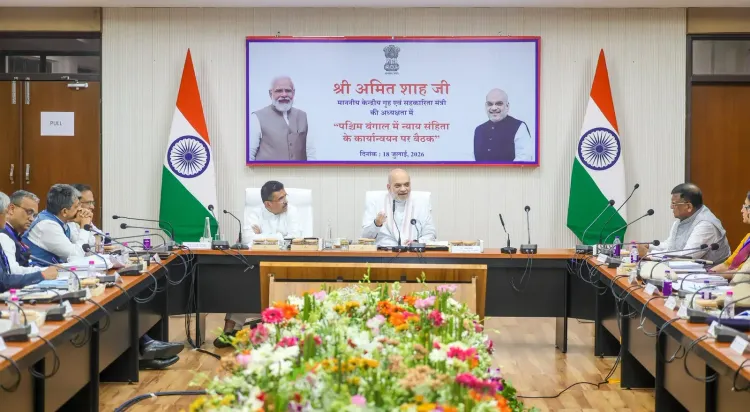
Amit Shah chaired a review meeting in Siliguri, West Bengal on 18 July 2026 on the rollout of the three new criminal laws.
The meeting was held with Suvendu Adhikari and other senior state officials.
Digital platforms highlighted include e-Sakshya , e-Summons and i-Prison for faster, paperless justice delivery.
Mandatory forensic investigation is now required for offences carrying sentences of more than seven years under the new laws.
The Zero FIR mechanism allows citizens to register complaints at any police station, regardless of jurisdiction.
The three laws — BNS, BNSS and BSA — replaced the IPC, CrPC and Evidence Act and came into force on 1 July 2024 .
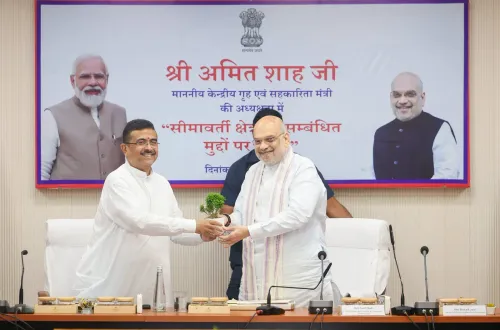
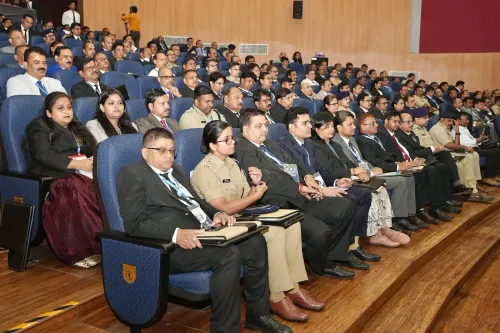
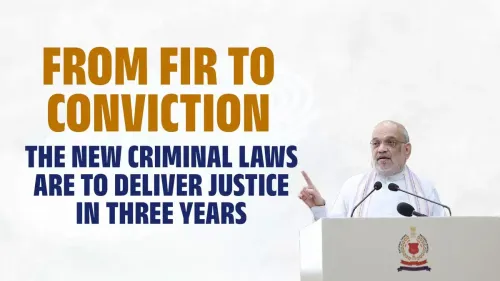
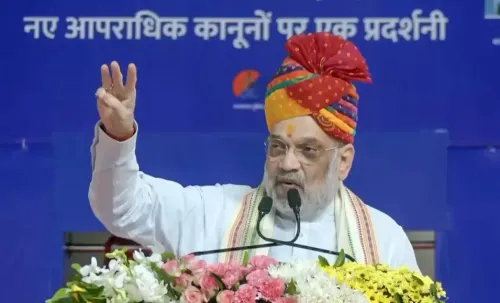
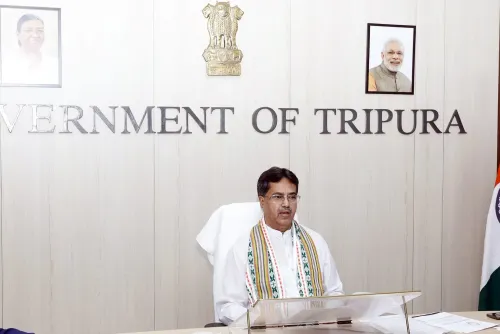
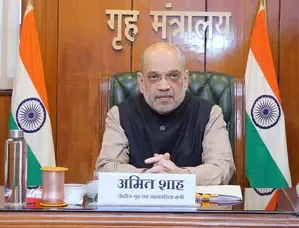
Union Home Minister Amit Shah on Saturday, 18 July 2026, chaired a review meeting in Siliguri, West Bengal, with senior BJP leader Suvendu Adhikari and other senior officials to assess the implementation of the three new criminal laws in the state.
Context
Shah posted on X stating that the three new criminal laws are making the country's justice system 'tīvra, pāradarśī aur siṭīzan sentrik' — faster, more transparent and citizen-centric. The Siliguri meeting focused specifically on how West Bengal is rolling out these reforms at the ground level.
The Home Minister noted that digital platforms such as e-Sakshya (electronic evidence management), e-Summons and i-Prison, along with mandatory forensic investigation in offences carrying sentences of more than seven years, Zero FIR provisions and broader technology integration, will 'open a new chapter of good governance and swift justice in Bengal.'
Policy Backdrop
Parliament passed the three new criminal laws — the Bharatiya Nyaya Sanhita (BNS), the Bharatiya Nagarik Suraksha Sanhita (BNSS) and the Bharatiya Sakshya Adhiniyam (BSA) — in December 2023, replacing the colonial-era Indian Penal Code, Code of Criminal Procedure and the Indian Evidence Act respectively.
The laws were notified to come into force from 1 July 2024. Key features include mandatory forensic examination for serious offences, the Zero FIR mechanism allowing complaints to be filed at any police station regardless of jurisdiction, and a suite of digital tools designed to reduce procedural delays across the justice chain.
Stakeholders and Impact
West Bengal police and the state judiciary are among the primary stakeholders responsible for operationalising these reforms at the district level. Citizens across the state stand to benefit from faster FIR registration, reduced court pendency and more systematic evidence handling.
The e-Sakshya platform, in particular, is designed to allow police and courts to manage electronic evidence and issue summons digitally, cutting down on paperwork and in-person procedural steps. The mandatory forensics requirement for offences with sentences exceeding seven years is expected to strengthen conviction rates and reduce wrongful acquittals.
Review meetings of this kind — bringing the Home Minister directly to a state capital to sit with local officials — signal the central government's intent to drive uniform, time-bound compliance across all states, including those not governed by the Bharatiya Janata Party.
What's Next
State-wise progress reports on FIR registration timelines and forensic compliance rates are expected to become key benchmarks as the central government continues its phased national review. Similar meetings have been held in other states as part of a broader effort to standardise criminal justice delivery under the new legal framework.
Parliamentary updates on conviction rate changes and the uptake of digital platforms such as i-Prison and e-Summons across states will be closely watched by legal practitioners, civil society and state governments navigating the transition from the colonial-era codes.
Point of View
A commercially and politically sensitive city in north Bengal, carries symbolic weight beyond mere administrative convenience. By publicly naming digital tools and specific provisions such as mandatory forensics and Zero FIR, Shah is setting measurable performance markers that will be difficult for state administrations to sidestep. This pattern of centre-state review meetings is emerging as the primary enforcement lever for the post-colonial criminal law transition.
NationPress
19 Jul 2026
Frequently Asked Questions
What are the three new criminal laws Amit Shah reviewed in Siliguri?
The three new criminal laws are the Bharatiya Nyaya Sanhita (BNS), the Bharatiya Nagarik Suraksha Sanhita (BNSS) and the Bharatiya Sakshya Adhiniyam (BSA), which replaced the Indian Penal Code, Code of Criminal Procedure and the Indian Evidence Act respectively. They came into force on 1 July 2024.
What is e-Sakshya and how does it help in the new criminal justice system?
e-Sakshya is a digital platform introduced under the new criminal laws for electronic evidence management and digital summons. It is designed to reduce paperwork and procedural delays in courts and police stations across India.
What is Zero FIR under the new criminal laws?
Zero FIR allows a citizen to register a First Information Report at any police station in the country, regardless of where the offence occurred or which jurisdiction it falls under, ensuring no complaint is turned away on technical grounds.
Why did Amit Shah hold a review meeting in West Bengal?
Amit Shah held the review meeting in Siliguri to assess how West Bengal is implementing the three new criminal laws at the state level, covering digital tools, mandatory forensics and Zero FIR, as part of a broader national rollout effort.
What is mandatory forensic investigation under the new criminal laws?
Under the new criminal laws, forensic investigation is compulsory for all offences that carry a sentence of more than seven years. This provision aims to strengthen evidence collection and improve conviction rates.