Amit Shah unveils Ajitdada Pawar statue in Pune
Synopsis
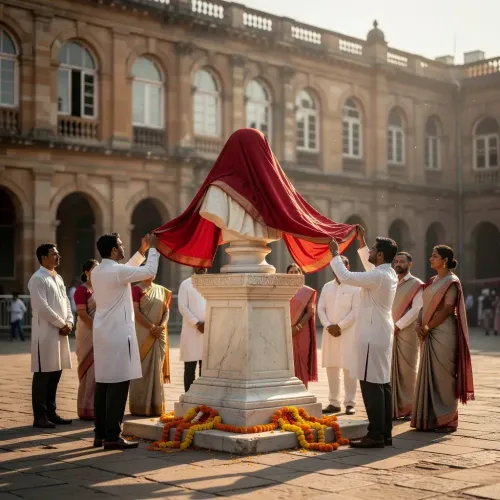
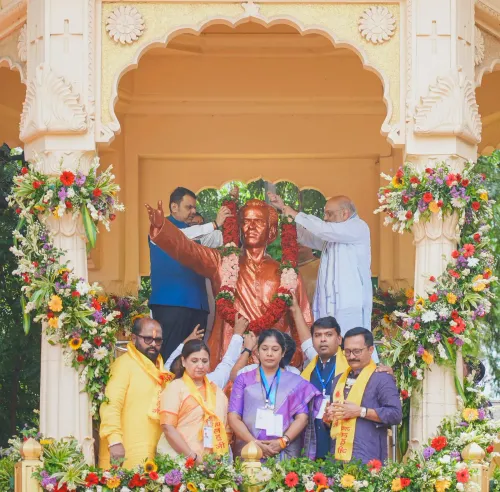
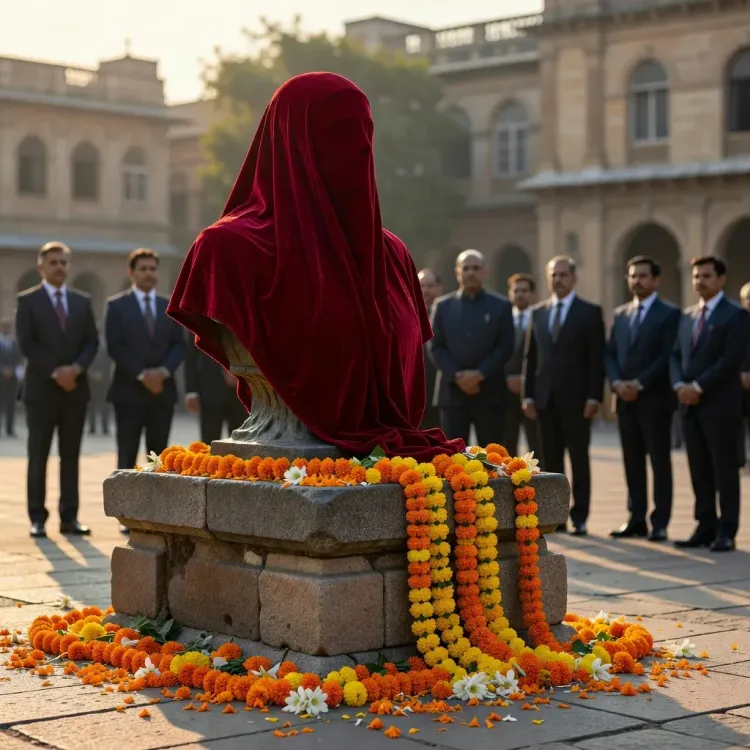
Union Home Minister Amit Shah unveiled the half-statue of late leader Loknete Ajitdada Pawar in Pune on 16 November 2026, with Chief Minister Devendra Fadnavis present. An entrance gate was also formally named in the leader's honour at the ceremony.
Key Takeaways
Union Home Minister Amit Shah performed the unveiling of a half-statue of late leader Loknete Ajitdada Pawar in Pune .
Maharashtra Chief Minister Devendra Fadnavis was present at the ceremony on 16 November 2026 .
An entrance gate was also formally renamed in honour of the late leader at the same event.
The Chief Minister's Office of Maharashtra broadcast the event live on X .
The honorific 'Loknete' (people's leader) used for the late Ajitdada Pawar signals the stature with which he is remembered in Maharashtra's public life.
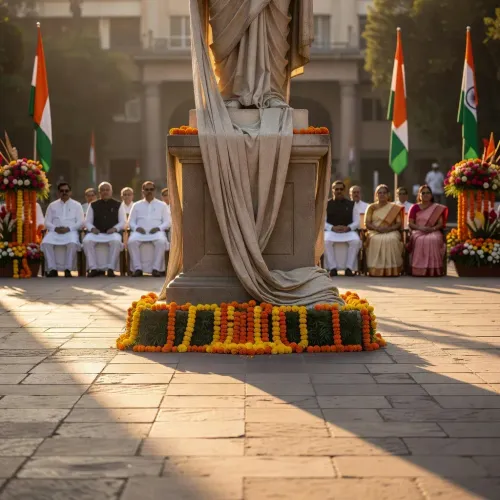
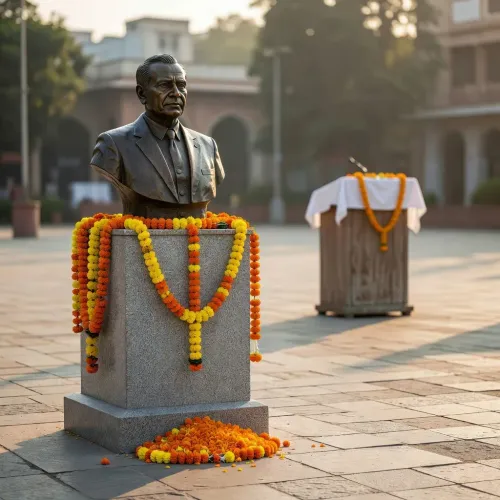
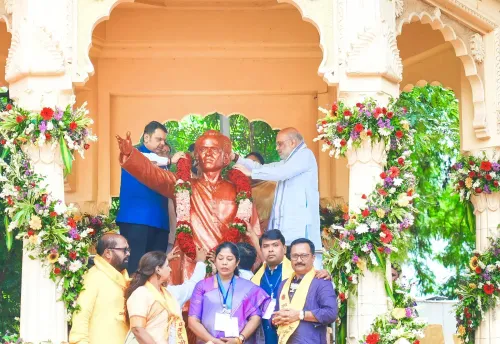
A moment of tribute unfolded in Pune on Monday, 16 November 2026, as Union Home and Cooperation Minister Amit Shah unveiled the half-statue of late leader Loknete Ajitdada Pawar — with Maharashtra Chief Minister Devendra Fadnavis standing alongside in a ceremony that brought the state's top political figures together to honour a departed public figure.
The Chief Minister's Office of Maharashtra broadcast the event live on X, captioning it in Marathi: the unveiling of the half-statue (ardhakruti putala) of Loknete Swargiya Ajitdada Pawar and the naming of an entrance gate (praveshdwara naamkaran), conducted at the hands of Amit Shah in the presence of CM Devendra Fadnavis.
A gate named, a legacy anchored in stone
The ceremony carried a dual purpose: the installation of a sculptural tribute and the formal renaming of an entrance gate — a pairing that is a common practice in Maharashtra's commemorative tradition, linking a physical landmark permanently to a leader's name. Such namings transform everyday civic infrastructure into enduring markers of political and community memory.
The presence of a Union Cabinet minister alongside the state's Chief Minister at a local commemorative event signals the significance accorded to the late Ajitdada Pawar within the broader political establishment. Referred to by the honorific 'Loknete' — meaning 'people's leader' — the late figure is being remembered publicly at a scale that draws central government participation to Pune.
Pune's place in Maharashtra's political memory
Pune has long served as a crucible of Maharashtra's political and cultural life, and ceremonies of this kind reinforce the city's role as a site of civic remembrance. Statue unveilings and public-infrastructure namings after deceased leaders occur regularly across Indian states, but the involvement of a senior Union minister elevates this occasion beyond routine municipal commemoration.
For CM Devendra Fadnavis, the event represents an opportunity to visibly honour a figure from the state's political history alongside the Centre — a gesture that carries weight with Pune's residents and the late leader's political circle alike.
The stone is set, the gate is named — Pune's public landscape now carries one more permanent inscription of a leader the city chose to remember.
Point of View
Such ceremonies are rarely just about memory — they are also about signalling alignment and solidarity among the living. The dual act of statue unveiling and gate naming maximises the symbolic footprint of the occasion, anchoring the tribute in both civic space and political narrative. Expect similar commemorative gestures to continue as Maharashtra's political establishment navigates its post-election identity.
NationPress
16 Nov 2026
Frequently Asked Questions
Who unveiled the statue of Ajitdada Pawar in Pune?
Union Home and Cooperation Minister Amit Shah unveiled the half-statue of late leader Loknete Ajitdada Pawar in Pune on 16 November 2026, with Maharashtra Chief Minister Devendra Fadnavis present at the ceremony.
Where was the Ajitdada Pawar statue unveiled?
The statue unveiling and gate naming ceremony took place in Pune, Maharashtra.
What is the meaning of 'Loknete'?
'Loknete' is a Marathi honorific meaning 'people's leader', used to describe the late Ajitdada Pawar in recognition of his public standing.
What else happened at the Pune ceremony on 16 November 2026?
Along with the half-statue unveiling, an entrance gate was formally renamed in honour of the late Ajitdada Pawar at the same event in Pune.
Why was Devendra Fadnavis at the Ajitdada Pawar statue event?
Maharashtra Chief Minister Devendra Fadnavis attended the ceremony in his official capacity, joining Union Minister Amit Shah to pay tribute to the late leader Ajitdada Pawar in Pune.