Ankita Save donates ₹1,11,000 to CM Relief Fund for drought farmers
Synopsis
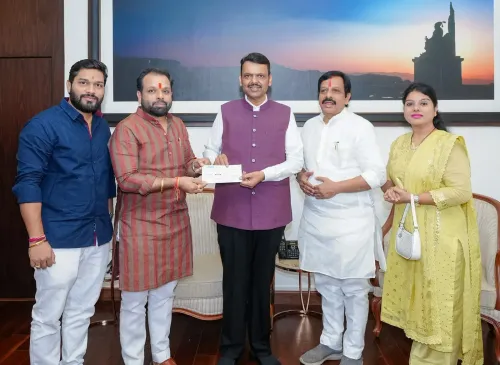
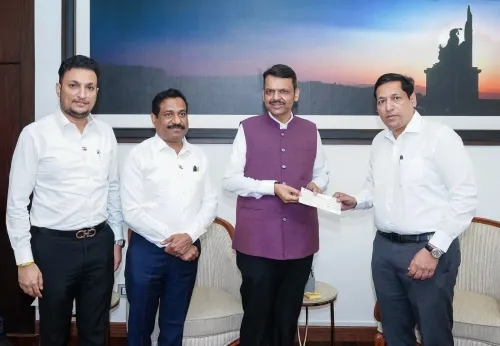
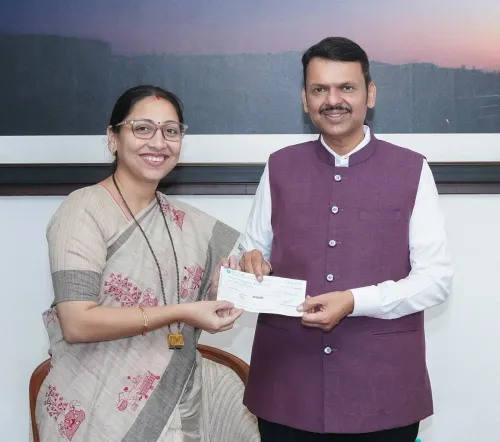
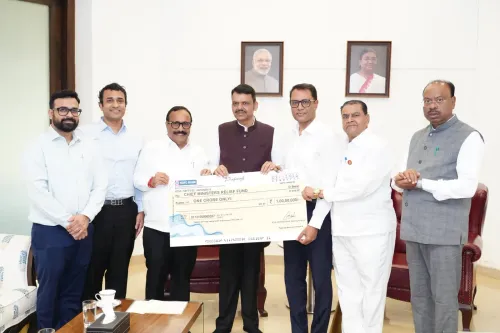
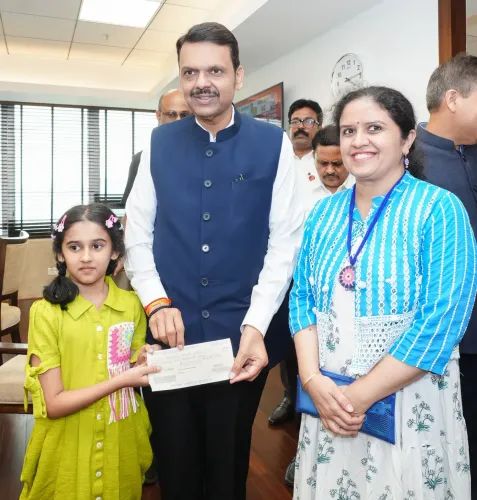
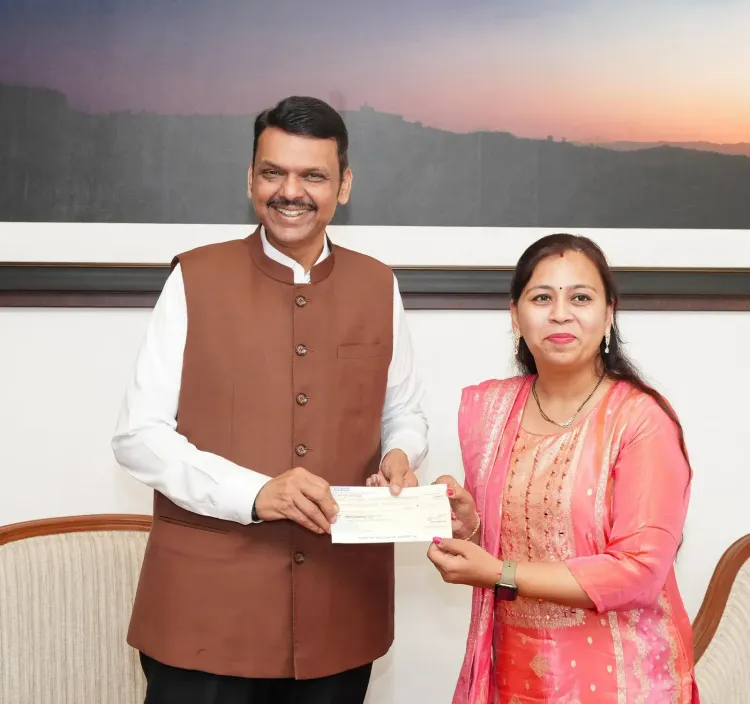
Ankita Save donated ₹1,11,000 to the Maharashtra Chief Minister's Relief Fund for drought-affected farmers, presenting the cheque to CM Devendra Fadnavis in Mumbai on 11 November 2026. Fadnavis thanked her for the contribution.
Key Takeaways
Ankita Save donated ₹1,11,000 to the Chief Minister's Relief Fund in Mumbai on 11 November 2026 .
The donation is designated for relief to drought-affected farmers in Maharashtra.
CM Devendra Fadnavis received the cheque in person and expressed his gratitude.
The Chief Minister's Relief Fund supplements official government allocations during natural calamities such as drought.
Maharashtra's Marathwada and Vidarbha regions face recurrent drought stress, making sustained private contributions a meaningful addition to relief efforts.
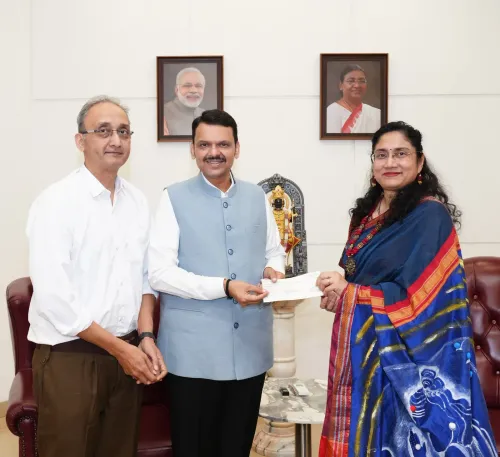
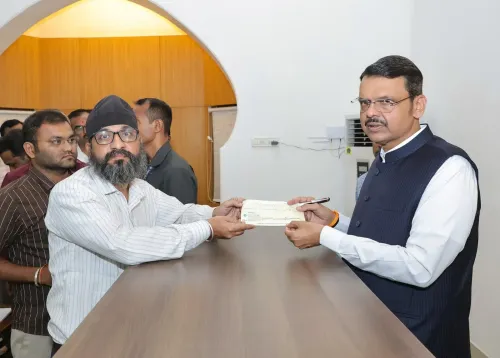
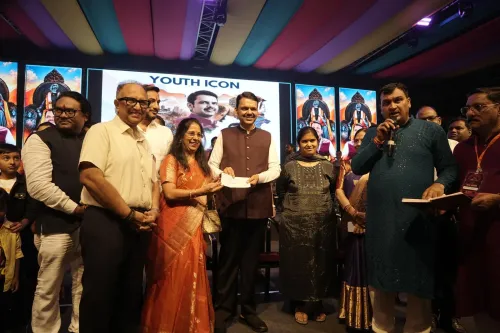
A cheque worth ₹1,11,000 changed hands in Mumbai on Wednesday, 11 November 2026 — a small but pointed act of solidarity with the drought-hit farmers of Maharashtra. Ankita Save presented the donation to Chief Minister Devendra Fadnavis for the Chief Minister's Relief Fund, earmarked specifically for farmers reeling under drought conditions across the state.
What the ₹1,11,000 cheque represents
The Chief Minister's Office confirmed that Save handed over the cheque directly to CM Fadnavis, who thanked her for the contribution. The Chief Minister's Relief Fund is a state-managed pool that supplements official government allocations during natural calamities — droughts, floods, and other agricultural emergencies — by channelling voluntary public donations into on-ground relief efforts.
Maharashtra has lived with the recurring threat of drought for decades, with the Marathwada and Vidarbha regions bearing the heaviest burden. Thin or erratic monsoon seasons leave farmers — many of them small and marginal holders — with damaged crops, depleted wells, and no cushion against loss. Public donations to the relief fund, while individually modest, collectively add to the state's capacity to respond when official budgets run short.
Fadnavis, the Relief Fund, and Maharashtra's drought burden
Devendra Fadnavis, who first served as Chief Minister from 2014 to 2019 before returning to the office, has repeatedly positioned drought relief as a governance priority. The Chief Minister's Relief Fund operates as a live instrument — not a one-off scheme — meaning donations flow in and out in real time as calamity needs arise across the state's districts.
Highlighting individual donations like this one serves a dual purpose: it acknowledges the donor publicly and signals to citizens that private contributions are welcome and genuinely directed toward agricultural distress. The state government periodically publishes utilisation reports on the fund, and observers will watch whether disbursements to drought-affected districts keep pace with incoming contributions heading into the next agricultural season.
Point of View
Particularly as Marathwada and Vidarbha face structural water stress that official budgets alone cannot fully address. By amplifying individual contributions through the Chief Minister's Office social media, the Fadnavis administration reinforces the relief fund as a live, credible channel rather than a symbolic account. The gesture also keeps agricultural distress visible in the public discourse between formal policy announcements. Whether the fund's utilisation keeps pace with the scale of farmer distress remains the sharper question heading into the next cropping season.
NationPress
11 Nov 2026
Frequently Asked Questions
What is the Maharashtra Chief Minister's Relief Fund?
The Chief Minister's Relief Fund is a state-managed fund in Maharashtra that accepts voluntary donations from individuals and organisations to supplement government assistance during natural calamities such as droughts, floods, and other agricultural emergencies.
Who is Ankita Save and why did she donate?
Ankita Save donated ₹1,11,000 to the CM Relief Fund specifically to aid drought-affected farmers in Maharashtra. She presented the cheque directly to Chief Minister Devendra Fadnavis in Mumbai on 11 November 2026 .
Which parts of Maharashtra are most affected by drought?
The Marathwada and Vidarbha regions of Maharashtra face the most severe and recurrent drought conditions, driven by erratic monsoon patterns and water scarcity that heavily impact small and marginal farmers.
How can citizens donate to the Maharashtra CM Relief Fund?
Citizens can contribute to the Maharashtra Chief Minister's Relief Fund through official government channels. Cheques are typically presented to the Chief Minister's Office, and details of fund utilisation are periodically made public by the state government.
What has Devendra Fadnavis done for drought relief in Maharashtra?
Devendra Fadnavis , Chief Minister of Maharashtra, has positioned drought relief as a governance priority across his tenures. The CM Relief Fund under his administration channels both government allocations and private donations toward farmers affected by agricultural calamities across the state.