CM Fadnavis receives ₹1 lakh cheque for drought relief fund
Synopsis
Private logistics firm Genesis Logistics, represented by Deepak Singh, donated ₹1 lakh to Maharashtra's Chief Minister's Relief Fund in Mumbai, targeting drought-affected farmers. CM Devendra Fadnavis received the cheque and expressed his gratitude on 11 November 2026.
Key Takeaways
Genesis Logistics donated ₹1,00,000 to the Chief Minister's Relief Fund in Mumbai on 11 November 2026 .
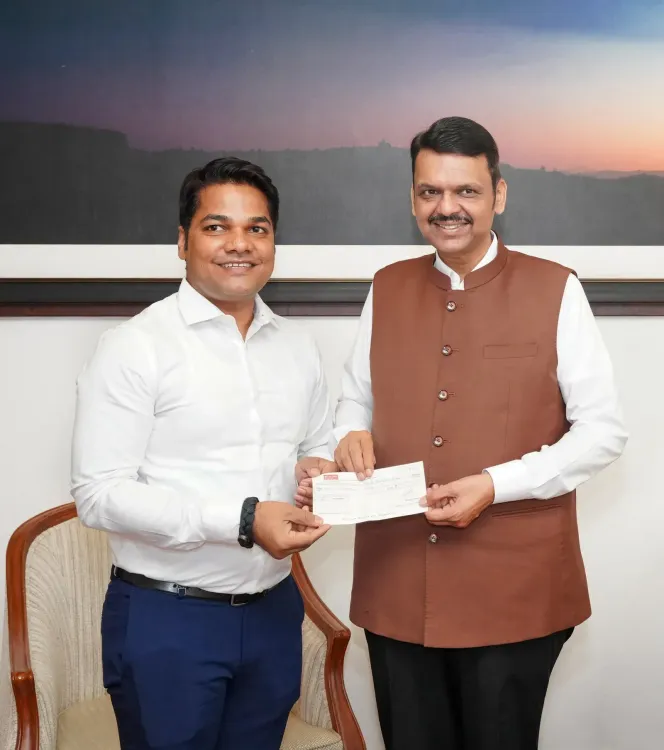
The cheque was presented by Deepak Singh of Genesis Logistics directly to CM Devendra Fadnavis .
The donation is specifically earmarked for assistance to drought-affected farmers in Maharashtra.
Maharashtra's Vidarbha and Marathwada regions are historically the worst-hit by recurring droughts.
Corporate contributions to the CM Relief Fund are a recurring mechanism for supplementing state drought-relief resources.
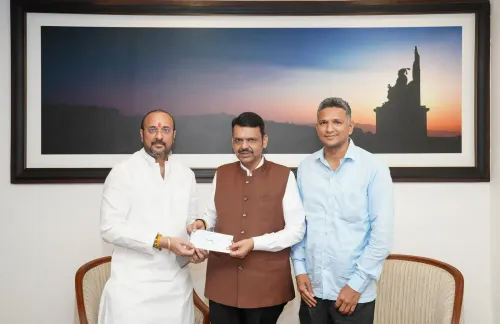
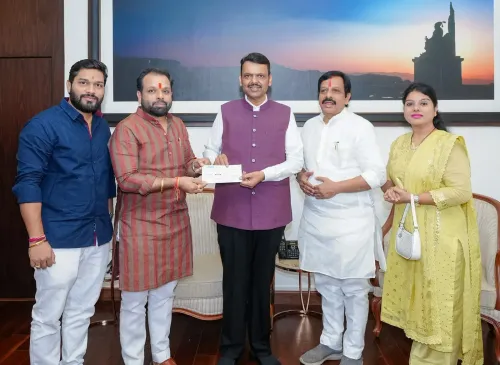
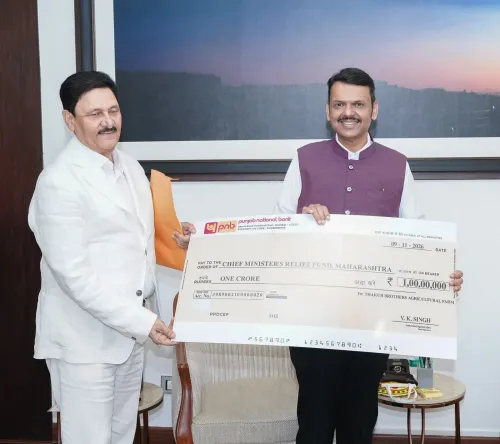
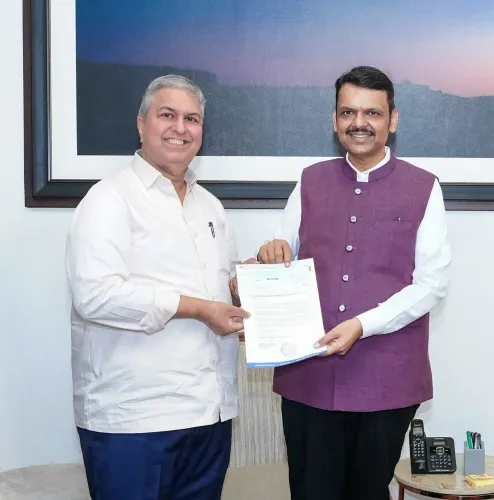
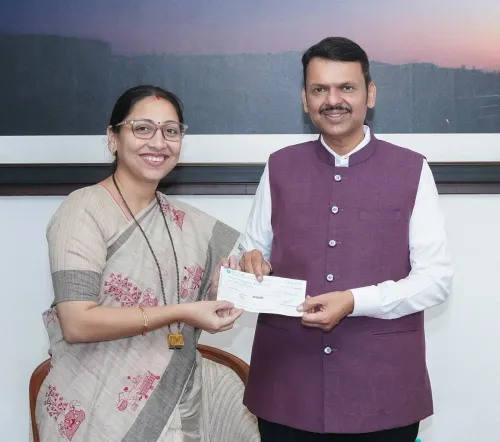
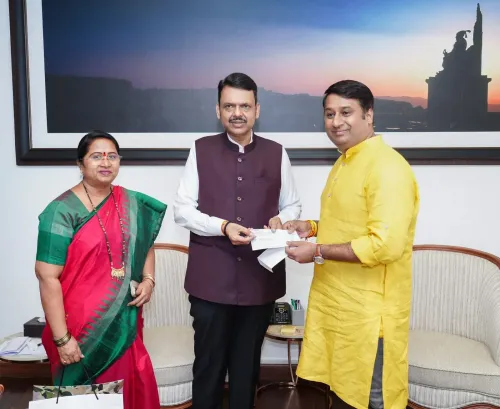
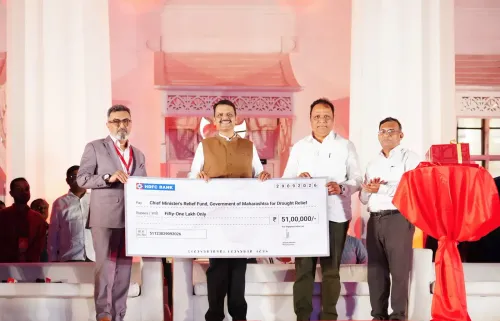
A ₹1,00,000 cheque for drought-stricken farmers landed on Chief Minister Devendra Fadnavis's desk in Mumbai on Wednesday, 11 November 2026 — handed over by Deepak Singh of private logistics firm Genesis Logistics, straight into the Chief Minister's Relief Fund. Fadnavis acknowledged the gesture with thanks.
The post from the Chief Minister's Office of Maharashtra confirmed the handover, noting that the donation was specifically earmarked for assisting farmers affected by drought. In Marathi, the announcement read: 'दुष्काळग्रस्त शेतकऱ्यांच्या मदतीसाठी' — 'for the assistance of drought-affected farmers.'
Maharashtra's drought belt and the Relief Fund's role
Maharashtra carries one of India's most persistent drought profiles, with the Vidarbha and Marathwada regions repeatedly bearing the brunt of deficit monsoons. The Chief Minister's Relief Fund serves as the state's first-response financial channel during such agricultural distress — a pool that government agencies draw on for immediate farmer aid when formal budgetary transfers are slow to mobilise.
Corporate and individual contributions to the fund are a well-worn practice in Maharashtra. When drought declarations go up, they tend to trigger a parallel stream of private donations that supplement state resources — bridging the gap between a declared emergency and actual cash reaching affected households.
Genesis Logistics steps in
Genesis Logistics, the contributing firm, is a private-sector logistics company whose donation represents precisely this pattern. Deepak Singh personally presented the cheque to the Chief Minister, underscoring the face-to-face, symbolic weight the state government attaches to such contributions — an acknowledgement that corporate India shares a stake in rural Maharashtra's stability.
Contributions like this one, while individually modest against the scale of drought relief needed, cumulatively matter. They signal to larger donors that the channel is active and legitimate, and they draw public attention to the ongoing distress in farming communities.
Whether this donation catalyses further corporate pledges to the same fund — and how quickly disbursements reach the farmers themselves — will be the real measure of its impact.
Point of View
If understated, feature of Maharashtra's disaster-relief ecosystem: private capital stepping into gaps the state budget cannot fill quickly enough. For CM Fadnavis, every public cheque presentation reinforces the legitimacy and visibility of the Relief Fund as an active channel — an incentive structure for larger donors. The gesture also carries a political subtext: keeping drought distress on the urban corporate radar at a time when farmer welfare remains a live electoral concern in Maharashtra.
NationPress
11 Nov 2026
Frequently Asked Questions
What is the Chief Minister's Relief Fund in Maharashtra?
The Chief Minister's Relief Fund is a state-level emergency assistance pool used by the Maharashtra government for immediate relief during natural calamities, drought, and farmer distress. Individuals and corporates can donate to it directly.
Who donated ₹1 lakh to the CM Relief Fund for drought farmers?
Deepak Singh, representing Genesis Logistics, donated ₹1,00,000 to the Chief Minister's Relief Fund in Mumbai on 11 November 2026 specifically for drought-affected farmers.
Which regions of Maharashtra are most affected by drought?
The Vidarbha and Marathwada regions of Maharashtra are historically the most vulnerable to drought, with deficit monsoons frequently triggering agricultural distress and emergency relief interventions.
How can a company donate to the Maharashtra CM Relief Fund?
Private companies and individuals can contribute to the Maharashtra Chief Minister's Relief Fund by presenting a cheque or making an electronic transfer to the designated state government account, often in coordination with the Chief Minister's Office.
What will the ₹1 lakh donation be used for?
According to the official announcement, the ₹1 lakh from Genesis Logistics is earmarked for assistance to drought-affected farmers in Maharashtra through the Chief Minister's Relief Fund.