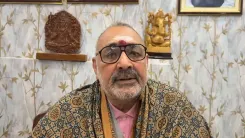
Annamalai urges TVK govt to allow lamp-lighting at Thiruparankundram Hill

Synopsis
Annamalai has called out the TVK government for allegedly stalling compliance with a Madras High Court order on lamp-lighting at Thiruparankundram Hill — framing the standoff as a pattern of hostility toward religious faith that began under the DMK and is now continuing under new political management. The appeal puts both judicial authority and communal harmony in the spotlight.
Key Takeaways
Annamalai urged the TVK government on 15 November 2026 to allow devotees to light a lamp atop the pillar at Thiruparankundram Hill .
He posted the appeal on X , calling on the government to honour an existing order of the Madurai Bench of the Madras High Court .
Annamalai alleged that the TVK administration is continuing the same approach adopted by the previous DMK government, which he said projected hostility toward religious faith.
He warned that prolonging the dispute through appeals and administrative delays undermines both judicial directions and devotees' rights.
The appeal stressed preserving communal harmony in Thiruparankundram , historically a site of inter-religious coexistence.
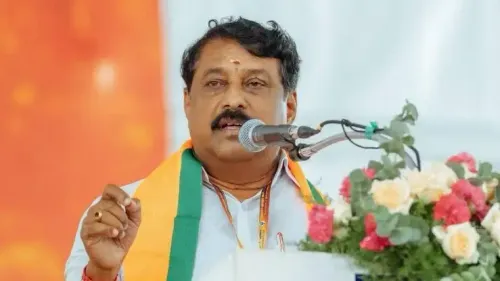
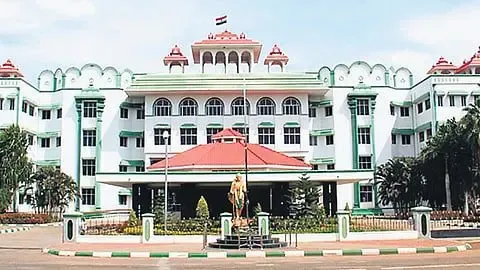
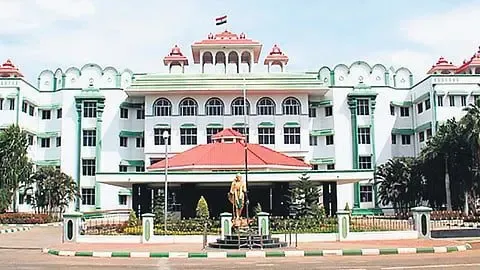
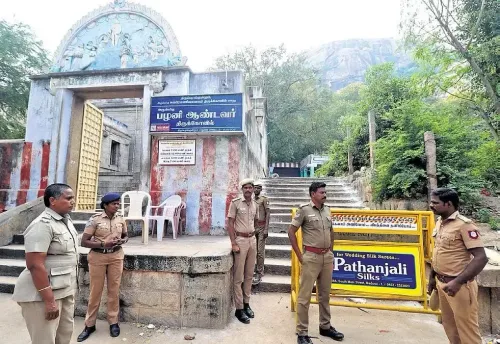
'We the Leaders' movement leader K. Annamalai on 15 November 2026 urged the Tamil Nadu government to permit devotees to light a lamp on the pillar atop Thiruparankundram Hill, asserting that a religious practice rooted in centuries of faith and tradition must not be blocked on political or administrative grounds. The appeal comes amid a continuing dispute over worship rights at the hill, which falls under the jurisdiction of the Madurai Bench of the Madras High Court.
The X Post Appeal
In a post on X, Annamalai called on the TVK government to respect the Madurai Bench's order and bring the prolonged dispute to an immediate end through lawful action. He described the lamp-lighting atop the hilltop pillar as a longstanding religious tradition, arguing that discontinuing such a practice for political considerations was unacceptable. The issue, he maintained, was fundamentally about the worship rights of devotees and demanded a resolution that honoured their beliefs.
Allegations Against the Government
Annamalai alleged that the present TVK administration was perpetuating the same approach adopted by the previous Dravida Munnetra Kazhagam (DMK) government — an approach he said had created an impression of hostility towards religious faith. He criticised the continuation of this posture under the new dispensation, arguing that it was inconsistent with the constitutional obligation to protect the religious freedoms of citizens.
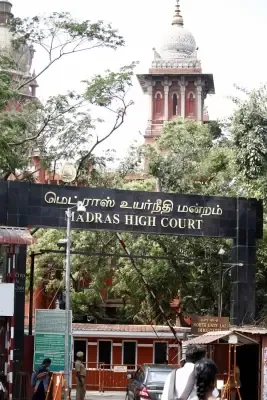
Referring specifically to the High Court proceedings, he claimed that a clear order had already been issued by the Madurai Bench. Despite this, he alleged, the matter was being prolonged through appeals and administrative delays rather than compliance. Such conduct, he argued, undermined both judicial directions and the legitimate rights of devotees.
Communal Harmony at Stake
Annamalai also emphasised the broader social significance of Thiruparankundram, describing it as a place where communities belonging to different religions have historically coexisted in peace and brotherhood. Creating unnecessary controversies over religious worship, he warned, risked disturbing that atmosphere. He questioned who, precisely, would be harmed by devotees peacefully ascending the hill to light lamps — framing the act as a form of quiet devotion rather than provocation.
What Annamalai Wants
The appeal centred on three demands: implementation of the High Court's existing order, an end to administrative delays, and a guarantee that devotees can continue their established form of worship without political interference. The government, he said, bore a clear responsibility to resolve the dispute in accordance with the law rather than allow it to drag on indefinitely. He urged the administration to act promptly and ensure that the ritual could resume without further obstruction.
As of now, the Tamil Nadu government has not issued a public response to Annamalai's appeal. The case remains subject to proceedings before the Madurai Bench of the Madras High Court, and the next hearing is awaited.
Point of View
The accountability question is less about Annamalai and more about why court orders on religious sites require political nudging to take effect at all.
NationPress
15 Nov 2026
Frequently Asked Questions
What is the Thiruparankundram lamp-lighting dispute about?
The dispute concerns the right of devotees to light a lamp on the pillar atop Thiruparankundram Hill, a practice described by Annamalai as a longstanding religious tradition. The matter has been subject to proceedings before the Madurai Bench of the Madras High Court, which has reportedly issued an order on the issue.
What did Annamalai demand from the TVK government?
Annamalai demanded that the TVK government implement the Madurai Bench's existing order, end administrative delays, and ensure that devotees can continue the lamp-lighting ritual without further obstruction. He made the appeal via a post on X on 15 November 2026.
Why did Annamalai criticise the TVK government?
He alleged that the TVK administration is perpetuating the same approach adopted by the previous DMK government, which he claimed created an impression of hostility toward religious faith. He argued this continuity was inconsistent with the government's duty to protect citizens' religious freedoms.
What is the significance of Thiruparankundram?
Thiruparankundram is a site of significant religious and cultural importance in Tamil Nadu, historically associated with inter-religious coexistence. Annamalai described it as a place where communities of different faiths have lived together in peace, and warned that the unresolved dispute risks disturbing communal harmony.
Has the Tamil Nadu government responded to Annamalai's appeal?
As of 15 November 2026, the Tamil Nadu government has not issued a public response to Annamalai's appeal. The case remains pending before the Madurai Bench of the Madras High Court, and the next hearing is awaited.