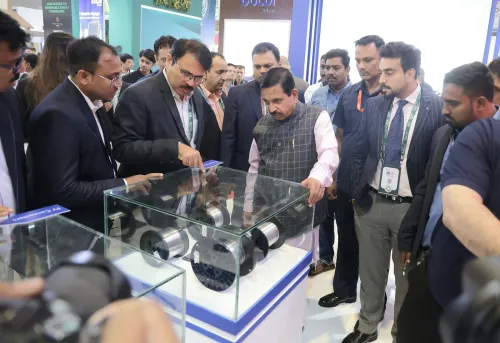
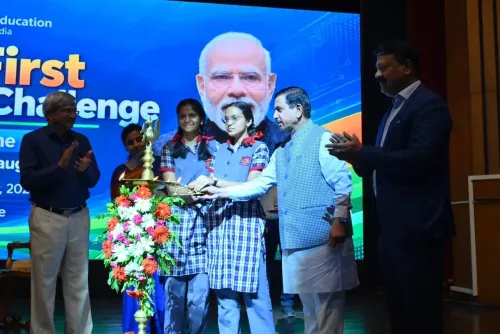
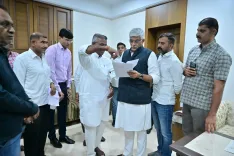
Pralhad Joshi meets young innovators at 4th Singapore-India Hackathon
Synopsis
Union Minister Pralhad Joshi attended the 4th Singapore-India Hackathon on 15 November 2026, engaging with student innovators from both nations and highlighting the bilateral platform as a showcase of youth-driven innovation and India-Singapore technology cooperation.
Key Takeaways
Union Minister Pralhad Joshi personally attended the 4th Singapore-India Hackathon on 15 November 2026 .
The event brings together student innovators from India and Singapore to co-develop technology solutions.
Joshi described the conversation as 'enriching' and praised the creativity, energy, and ambition of young participants.
The hackathon is part of broader India-Singapore cooperation in science, technology, digital economy, and skills development.
The bilateral event aligns with India's Act East Policy , which prioritises strategic partnerships with Southeast Asian nations.
The fourth edition signals the hackathon has become a durable fixture in India-Singapore youth engagement rather than a one-off event.
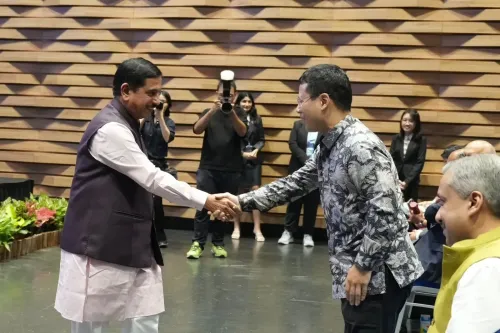
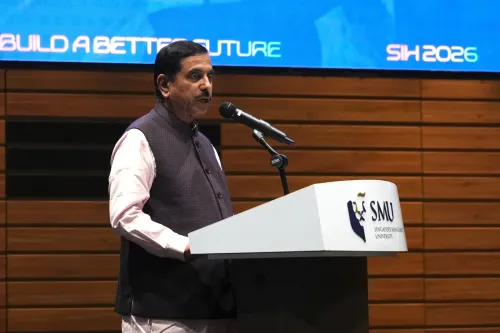
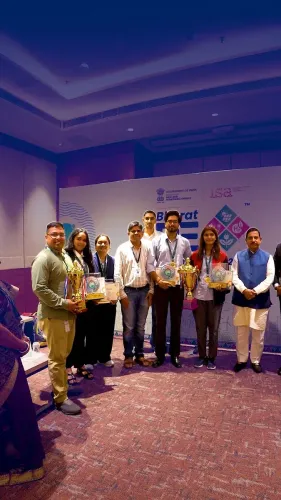
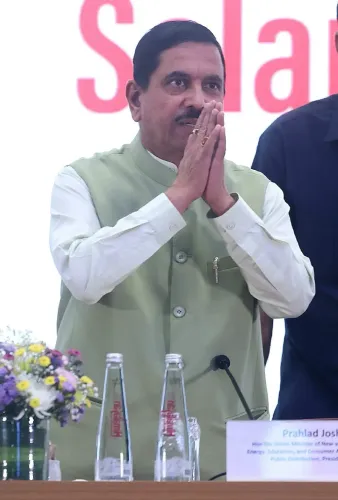
When a minister sits down with student innovators and listens — really listens — the conversation carries weight beyond the room. Union Consumer Affairs and New and Renewable Energy Minister Pralhad Joshi engaged with young participants at the 4th Singapore-India Hackathon (SIH 2026) on Sunday, 15 November 2026, calling the exchange 'enriching' and praising the creativity and ambition of a generation he described as 'ready to drive innovation, collaboration and transformative change.'
What brought students from two nations to one room
The Singapore-India Hackathon is a bilateral platform that places student innovators from both countries in the same space — physically and intellectually — to co-develop technology solutions. Now in its fourth edition, the event sits inside a wider architecture of science-and-technology cooperation that India and Singapore have built over decades, anchored in India's Act East Policy. Youth-to-youth engagement through hackathons and innovation challenges complements the government-to-government layer of digital economy and skills agreements between the two countries.
The minister's read on the room
Joshi posted on X that he came away with a sharper understanding of the aspirations and vision these young minds carry. 'The energy, creativity and ambition of these young minds from India and Singapore reflect the immense potential of a generation ready to drive innovation, collaboration and transformative change,' he wrote. The language was deliberate — it named the bilateral dimension explicitly, framing the hackathon not just as a student contest but as a live demonstration of what the India-Singapore partnership can produce at the grassroots level.
India's innovation diplomacy, one hackathon at a time
India's engagement with Singapore on technology and education runs deep. The two nations share a strategic partnership in which digital economy cooperation, skills development, and fintech exchange feature prominently. Bilateral hackathons are one of the quieter but durable threads in that fabric — generating not just prototypes but networks of young professionals who carry cross-border relationships into their careers. The fourth edition landing in 2026 signals that the format has earned its place as a recurring fixture rather than a one-off experiment.
The attention of a senior cabinet minister at such an event — rather than a delegation of officials — sends its own signal about how seriously the government is treating youth innovation as a foreign-policy asset. Whether the conversations Joshi had on 15 November translate into follow-up support for winning projects or expanded participation in a fifth edition will be the measure that matters.
Point of View
Not ceremony. For the BJP government, it also reinforces the narrative that India's global partnerships are being built bottom-up, through talent pipelines as much as treaty tables. The Singapore-India Hackathon, now in its fourth year, is quietly becoming one of the more durable instruments of India's Act East outreach. Whether the government backs this symbolism with structural support — funding, mentorship pathways, or institutional follow-through for prototype teams — will determine whether the event's energy translates into lasting bilateral capital.
NationPress
15 Nov 2026
Frequently Asked Questions
What is the Singapore-India Hackathon?
The Singapore-India Hackathon is a bilateral platform where student innovators from India and Singapore collaborate to develop technology solutions. The 2026 event is its fourth edition.
Why did Pralhad Joshi attend the Singapore-India Hackathon?
Union Minister Pralhad Joshi participated to engage directly with young innovators, understand their aspirations, and reinforce India-Singapore cooperation in technology and youth innovation.
What is India's Act East Policy and how does it relate to this hackathon?
India's Act East Policy prioritises deepening ties with Southeast and East Asian nations, including Singapore. Bilateral youth and technology initiatives like the Singapore-India Hackathon are one practical expression of that strategic orientation.
What did Pralhad Joshi say about the student innovators at SIH 2026?
Joshi said the 'energy, creativity and ambition' of the young participants from India and Singapore reflect 'the immense potential of a generation ready to drive innovation, collaboration and transformative change.'
How often is the Singapore-India Hackathon held?
The hackathon is held periodically as part of bilateral engagement between India and Singapore; the 2026 event marks the fourth edition, indicating it has been a recurring fixture in the two countries' innovation diplomacy.