Pralhad Joshi Meets Renewable Energy Innovators at BRESE2026
Synopsis
Union Minister Pralhad Joshi attended the four-day BRESE2026 renewable energy summit in Bengaluru, congratulating award winners for innovation and interacting with young students to encourage India's sustainable energy future.
Key Takeaways
Union Minister Pralhad Joshi met award winners and young visitors at #BRESE2026 on 5 November 2026 .
The summit was a four-day event focused on innovation and achievement in the renewable energy sector.
Joshi posted in both English and Kannada , reflecting the event's Karnataka roots.
India has committed to 500 GW non-fossil fuel capacity and net-zero by 2070 — goals requiring deep domestic talent pipelines.
The Ministry of New and Renewable Energy has made youth engagement and private-sector recognition a recurring pillar of its public outreach.
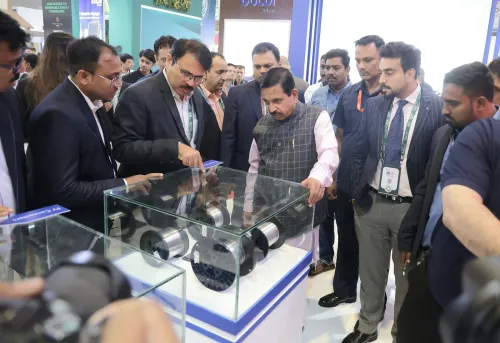
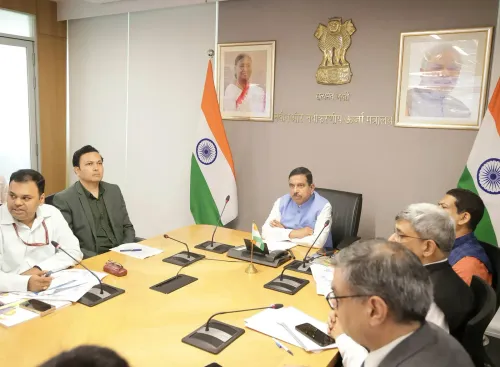
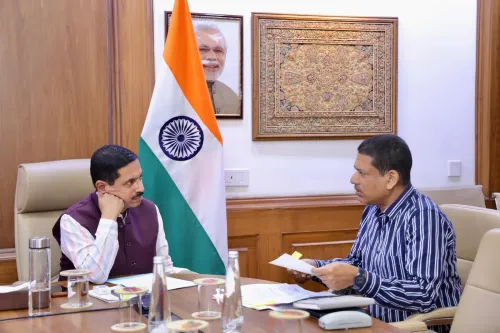
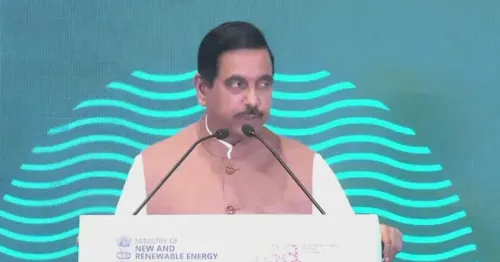
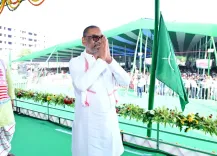
Young minds buzzing with ideas about solar grids and wind corridors, award winners being recognised for pushing India's clean-energy frontier — Union Minister of New and Renewable Energy Pralhad Joshi stepped into that energy on Thursday, 5 November 2026, meeting innovators and students at the Bengaluru Renewable Energy Summit and Exhibition 2026 (#BRESE2026), the flagship four-day sector conclave.
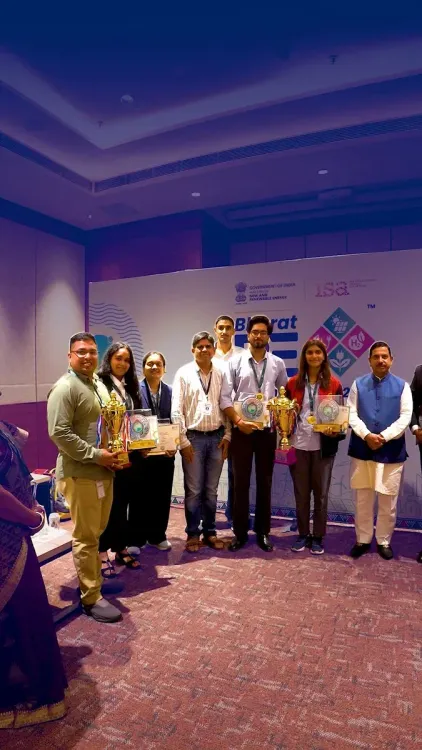
Joshi congratulated award winners for their 'outstanding achievements and innovative efforts in the renewable energy sector,' and separately spent time with young visitors to the exhibition — students and emerging professionals whose curiosity, he said, gave him encouragement about the direction India's clean-energy story is heading.
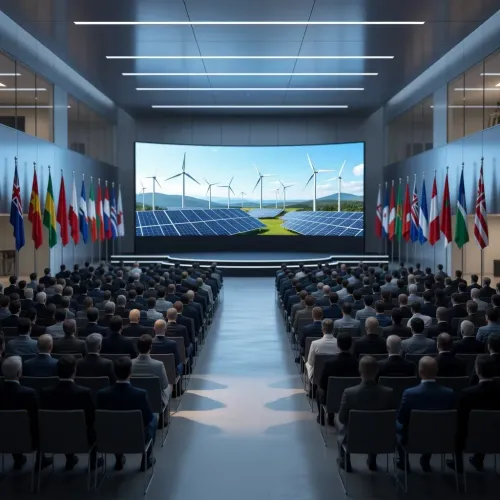
Four Days of Clean-Energy Celebration at #BRESummit2026
The #BRESummit2026 brought together innovators, policymakers and students under one roof for a four-day programme that included exhibitions, awards and industry interactions. Ministerial presence at such events is a deliberate signal — recognition from the government that private innovation and grassroots ingenuity are central to India's energy transition, not just large public-sector projects.
Joshi's post, shared in both English and Kannada ('ಸುಸ್ಥಿರ ಇಂಧನ ಭವಿಷ್ಯದ ಕುರಿತಾದ ಅವರ ಆಸಕ್ತಿ' — 'their enthusiasm towards a sustainable energy future'), underlined the bilingual, ground-up character of the outreach, anchored firmly in Karnataka.
India's 500 GW Goal and Why Youth Engagement Matters
India committed at COP26 in 2021 to reach 500 GW of non-fossil fuel power capacity and achieve net-zero emissions by 2070. Closing that gap requires not just capital and policy but a generation of engineers, entrepreneurs and technicians who have grown up thinking in renewable terms.
That is precisely the pipeline events like BRESE2026 are designed to seed. When a Union Minister takes the time to interact with young visitors rather than simply address a formal plenary, it reinforces the message that the government regards this next generation as active participants — not passive beneficiaries — of the clean-energy push.
The broader pattern across the Ministry of New and Renewable Energy has been consistent: policy support for solar and wind expansion, combined with public-outreach moments that spotlight domestic innovation and build sectoral prestige from the ground up.
The ideas debated in exhibition halls today are the grid projects, start-up filings and policy proposals of tomorrow — and India's 2070 net-zero clock is already ticking.
Point of View
Keeping young talent engaged and inspired is as much a policy instrument as any subsidy or tariff. The bilingual outreach — English and Kannada — also points to the government's effort to make the energy transition feel locally owned, not handed down from Delhi. Whether summit outcomes translate into concrete scheme announcements or funding commitments will determine how much of this enthusiasm converts into gigawatts.
NationPress
5 Nov 2026
Frequently Asked Questions
What did Pralhad Joshi do at BRESE2026?
Joshi congratulated award winners for their achievements and innovation in renewable energy, and separately interacted with young students visiting the exhibition, expressing encouragement at their enthusiasm for a sustainable energy future.
What is India's renewable energy target?
India committed at COP26 in 2021 to achieving 500 GW of non-fossil fuel power capacity and reaching net-zero emissions by 2070. The Ministry of New and Renewable Energy oversees progress towards these goals.
Who is Pralhad Joshi?
Pralhad Joshi is a senior BJP leader from Karnataka serving as Union Minister of Consumer Affairs, Food and Public Distribution, and Minister of New and Renewable Energy in the Indian government.
Why does the government attend renewable energy exhibitions?
Ministerial attendance at sector exhibitions and award events is a recurring pattern of public outreach designed to recognise private innovation, signal policy commitment to clean energy, and build domestic expertise — especially among young talent — in sustainable technologies.