Anti-paper leak bill 2026: Bansuri Swaraj hails Modi's legislative fix
Synopsis
The Public Examinations (Prevention of Unfair Means) Amendment Bill, 2026 isn't just a policy tweak — it sets hard legal deadlines: investigations in two months, verdicts in three. With fines jumping from ₹10 lakh to ₹10 crore depending on the accused, and fast-track courts mandated in every state, BJP MP Bansuri Swaraj argues this is the most structurally serious response India has produced to the paper leak crisis.
Key Takeaways
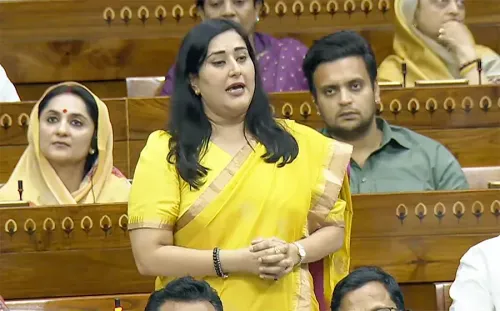
BJP MP Bansuri Swaraj defended the Public Examinations (Prevention of Unfair Means) Amendment Bill, 2026 in Parliament on 28 July .
Fast-track courts to be set up in every state and union territory; investigations must conclude within 2 months , trials within 3 months .
Fine for common accused raised from ₹10 lakh to ₹50 lakh ; jail term increased from 3–5 years to 5–10 years .
Criminal organisations face a minimum fine of ₹10 crore and imprisonment of 7–10 years .
Swaraj accused the Congress and opposition of 'selective outrage', citing approximately 22 paper leak cases during the UPA era and in opposition-ruled states.
NTA was established in 2017 ; Swaraj noted no professional testing body existed before 2014 .
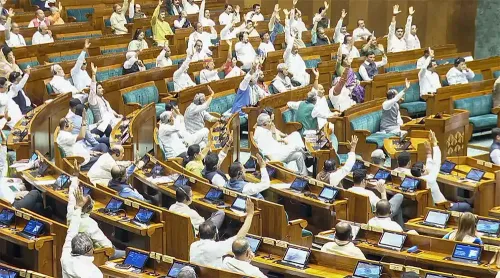
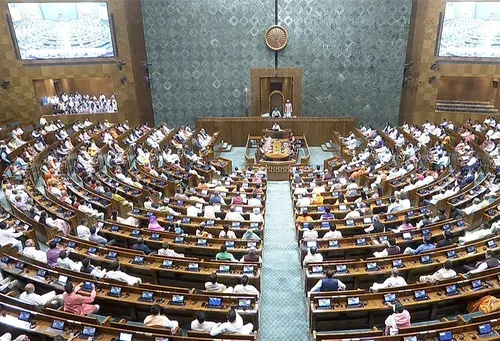
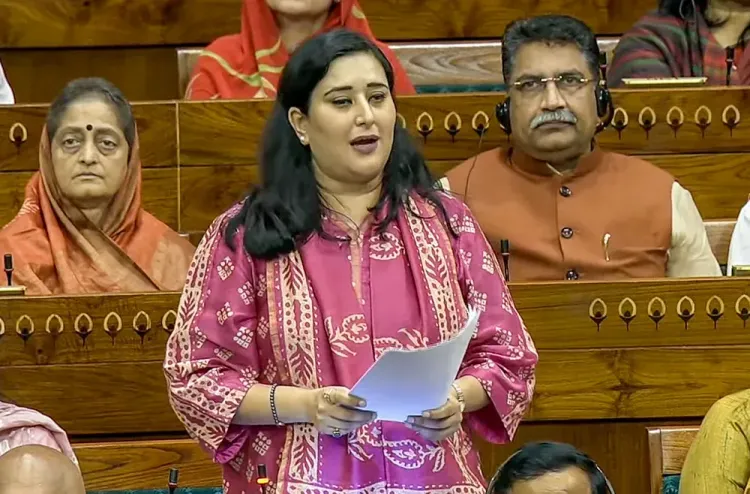
Bharatiya Janata Party (BJP) MP Bansuri Swaraj on Tuesday, 28 July defended the Public Examinations (Prevention of Unfair Means) Amendment Bill, 2026 in Parliament, crediting Prime Minister Narendra Modi with identifying systemic flaws in India's examination framework and delivering a legislative remedy. Speaking during the House debate in New Delhi, Swaraj called paper leak a 'major crime' and described the amended Bill as proof of the Modi government's 'sensitivity and responsible governance.'
Key Provisions of the Amendment Bill
Swaraj outlined several structural changes the Bill introduces. Investigations into paper leak cases must be completed within two months, while fast-track courts — to be established in every state and union territory — are mandated to conclude trials and deliver verdicts within three months. The Bill also provides for the appointment of special public prosecutors dedicated exclusively to such cases.
To prevent procedural delays, the Bill bars fast-track courts from granting unnecessary adjournments. Any request for adjournment — by either the defence or the prosecution — must be submitted in writing with stated reasons. Appeals by the accused will be heard by a division bench of the High Court and must also be resolved within three months.
Stiffer Penalties for Offenders
The amendment substantially raises the cost of paper leak offences. For a common accused, the fine has been increased from ₹10 lakh to ₹50 lakh, and the jail term raised from 3–5 years to 5–10 years. Service providers found complicit face a fine of ₹5 crore and an eight-year debarment. Where a criminal organisation is involved, the minimum fine is ₹10 crore, with imprisonment of 7–10 years.
What Swaraj Said in Parliament
Describing competitive examinations as the 'most meritocratic ritual' in India's democracy, Swaraj argued that a paper leak 'dilutes a holy covenant' that binds students across class lines. 'It is the only ritual where both the son of a labourer and daughter of a CEO sit down to answer the same set of questions and get judged by the same yardstick,' she said.
Swaraj also invoked a Gen Z colloquialism, saying Modi 'clocked it and provided a legislative solution' — a phrase that drew attention during the debate. She further referenced the Prime Minister's 'Pariksha Pe Charcha' initiative, saying it had helped youth 'transform from exam worrier to exam warrior.'
Opposition Targeted Over Paper Leaks
Swaraj went on the offensive against the Indian National Congress (Congress) and other opposition parties, accusing them of 'selective outrage' over the paper leak issue. She claimed that according to media reports, approximately 22 paper leak cases were reported in opposition-ruled states and during the previous United Progressive Alliance (UPA) regime. She specifically cited a 'high-tech paper leak' in a pharmaceutical examination in Punjab and questioned whether the Punjab Education Minister's resignation had been sought. She also noted that no professional testing body existed before 2014, with the National Testing Agency (NTA) being established only in 2017.
What Comes Next
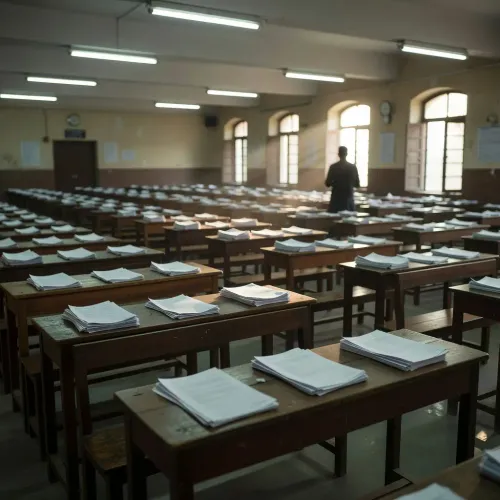
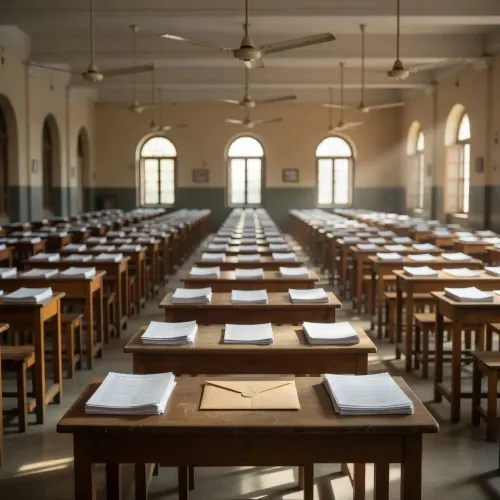
With the Bill now under parliamentary debate, its passage would set binding timelines for investigation and adjudication of exam fraud — a reform long demanded by student groups following high-profile leaks in competitive examinations. The establishment of fast-track courts and dedicated prosecutors across all states would mark a significant institutional shift in how India handles examination integrity cases.
Point of View
Three for verdict — are a direct response to the judicial backlog that has historically let paper leak accused walk free or delay proceedings indefinitely. But mandating fast-track courts in every state and union territory is an infrastructure commitment the Centre cannot enforce unilaterally; state governments control court staffing and prosecution capacity. The BJP's pivot to blaming the UPA for 22 past leaks is politically convenient but sidesteps the more recent institutional failure at the NTA, which triggered this very debate. The real test of the Bill will be its first contested prosecution — not the parliamentary speech defending it.
NationPress
27 Oct 2026
Frequently Asked Questions
What is the Public Examinations (Prevention of Unfair Means) Amendment Bill, 2026?
It is a parliamentary amendment that strengthens India's legal framework against examination fraud, including paper leaks. The Bill mandates fast-track courts in every state, sets two-month investigation deadlines and three-month trial deadlines, and sharply raises fines and jail terms for offenders.
What are the new penalties under the amended Bill?
For a common accused, fines rise from ₹10 lakh to ₹50 lakh and jail terms from 3–5 years to 5–10 years. Service providers face a ₹5 crore fine and an eight-year debarment. If a criminal organisation is involved, the minimum fine is ₹10 crore with imprisonment of 7–10 years.
How will the fast-track courts work under this Bill?
Fast-track courts are to be established in every state and union territory specifically for paper leak and examination fraud cases. They are barred from granting unnecessary adjournments, and any adjournment request must be submitted in writing. Trials must be completed and verdicts delivered within three months.
What did Bansuri Swaraj say about the Opposition's role in paper leaks?
Swaraj accused Congress and other opposition parties of 'selective outrage', claiming approximately 22 paper leak cases were reported in opposition-ruled states and during the UPA regime. She specifically cited a pharmaceutical exam leak in Punjab and questioned whether the Punjab Education Minister had been asked to resign.
Why is this Bill significant for students?
Paper leaks disproportionately harm students from lower-income backgrounds who invest years preparing for competitive exams. The Bill's fast-track mechanism and stiffer penalties are designed to deter fraud and ensure that merit — not money or connections — determines outcomes in public examinations.