Exam Bill 2026: Bansuri Swaraj, Shrikant Shinde among NDA MPs set to speak in Lok Sabha
Synopsis
The Centre is tabling one of its most consequential education bills in years — a direct legislative answer to the paper leak crisis that toppled a Union minister. With 10-year jail terms, ₹10 crore fines, fast-track courts, and Nandan Nilekani leading a reform task force, the government is deploying both punitive and structural firepower in a single session.
Key Takeaways
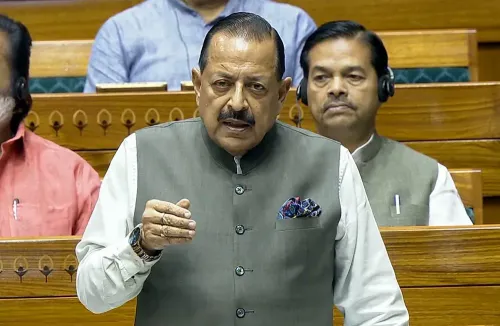
The Public Examinations (Prevention of Unfair Means) Amendment Bill, 2026 is set to be tabled in Lok Sabha on 27 July 2026 by Union Minister Dr Jitendra Singh .
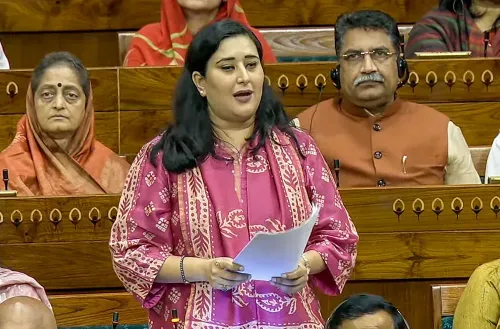
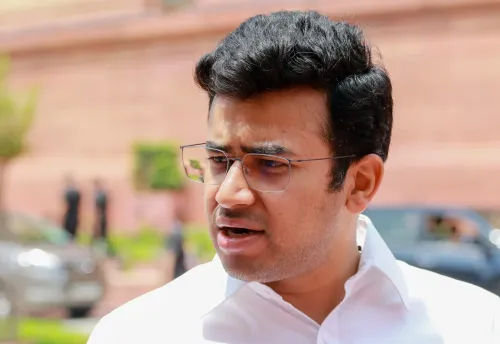
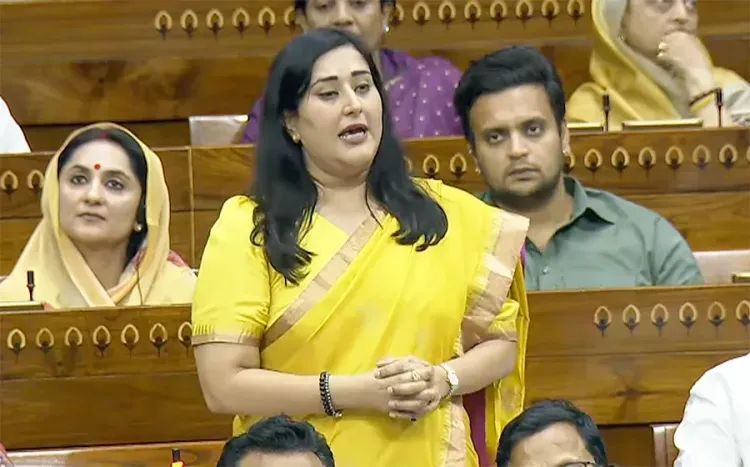
The debate is expected to last 8 to 10 hours , with NDA speakers including Bansuri Swaraj , Tejasvi Surya , and Shrikant Shinde .
The Bill proposes up to 10 years imprisonment, fines of up to ₹10 crore , asset confiscation, and trial completion within three months via fast-track courts.
PM Modi has constituted an exam reform task force under Infosys co-founder Nandan Nilekani .
The move follows student protests over paper leaks and the resignation of Education Minister Dharmendra Pradhan .
New Education Minister Pralhad Joshi will be present during Question Hour on the same day.
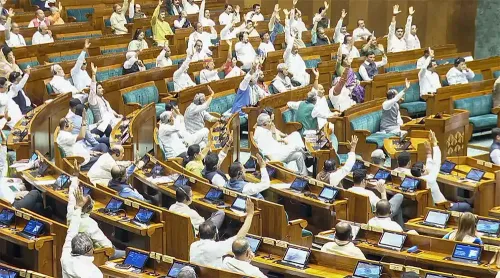
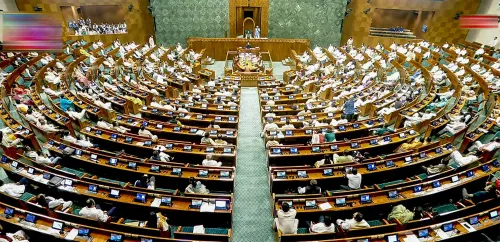
The Lok Sabha is set for an extensive debate on Monday, 27 July 2026, as the Centre tables the Public Examinations (Prevention of Unfair Means) Amendment Bill, 2026 — a legislation designed to tighten the legal framework against paper leaks and examination fraud. Young NDA MPs, including Bansuri Swaraj of the Bharatiya Janata Party (BJP) and Shrikant Shinde of Shiv Sena, are among those expected to take the floor.
Key Speakers Expected in the Debate
Union Minister Dr Jitendra Singh will formally introduce the Bill, which amends the Public Examinations (Prevention of Unfair Means) Act, 2024. A government notification for its introduction has already been issued. The debate is expected to run between eight and ten hours, signalling the ruling alliance's intent to build broad consensus on examination reforms.
From the NDA, the expected speakers include Bansuri Swaraj and Tejasvi Surya (BJP), Rajiv Ranjan Singh 'Lalan' (JD-U), Shrikant Shinde (Shiv Sena), Sunil Tatkare (NCP), Anupriya Patel (Apna Dal (Soneylal)), and Arun Bharti (LJP-Ram Vilas). From the newly formed NCPI, Sayoni Ghosh and Mitali Bag are expected to speak, as is Lavu Sri Krishna Devarayalu from the Telugu Desam Party (TDP).
What the Amendment Bill Proposes
The proposed legislation introduces significantly stricter penalties for examination malpractice. Key provisions include imprisonment of up to 10 years, fines of up to ₹10 crore, confiscation of assets of those convicted, and a mandate for verdicts to be delivered within three months through fast-track courts. The Union Cabinet approved the Bill and related provisions on Friday, with fast-track courts specifically mandated to conclude trials swiftly.
The Nandan Nilekani Task Force
The Bill's introduction follows a flurry of government action on examination integrity. On Sunday, Prime Minister Narendra Modi announced the constitution of a task force on exam reforms to be headed by Infosys co-founder Nandan Nilekani, widely credited as the architect of the Aadhaar identity platform. Modi stated that the task force's report would inform steps to safeguard the credibility of upcoming public examinations.
In a video statement, Prime Minister Modi said, 'The Government of India is continuously taking various measures for the future of students. Those who tampered with the students' future are languishing in jail. We have already established fast-track courts. We are also moving towards enacting new legislation in Parliament that incorporates stringent legal provisions.'
Political Context and Background
The legislative push comes shortly after a wave of student protests over paper leaks subsided, following the resignation of former Union Education Minister Dharmendra Pradhan. Union Minister Pralhad Joshi, who assumed charge of the Education Ministry on Sunday, is expected to be present during Question Hour, where education-sector questions are scheduled. This is the government's most direct legislative response to the paper leak crisis that shook public confidence in competitive examinations. With Nilekani's appointment and a Bill mandating fast-track verdicts, the Centre is signalling both structural and punitive reform simultaneously.
Point of View
But India's judicial infrastructure has a poor record of meeting statutory timelines; the three-month verdict mandate will mean little without dedicated benches and prosecutors. Nilekani's credibility lends the task force legitimacy, yet the real question is whether its recommendations will be binding or advisory. The paper leak crisis exposed systemic rot in examination agencies, not just individual wrongdoing — and no bill, however stringent, fixes institutional capture without independent oversight.
NationPress
25 Oct 2026
Frequently Asked Questions
What is the Public Examinations (Prevention of Unfair Means) Amendment Bill, 2026?
It is a legislation introduced in Lok Sabha on 27 July 2026 that amends the Public Examinations (Prevention of Unfair Means) Act, 2024, to impose harsher penalties for paper leaks and examination fraud. Key provisions include up to 10 years in prison, fines of up to ₹10 crore, asset confiscation, and fast-track court verdicts within three months.
Who will introduce the exam amendment bill in Parliament?
Union Minister Dr Jitendra Singh will table the Bill in Lok Sabha. A government notification for its introduction had already been issued ahead of the session.
Why has the government introduced this bill now?
The Bill follows widespread student protests over paper leaks in competitive examinations, which led to the resignation of Union Education Minister Dharmendra Pradhan. PM Modi had previously announced that stringent legislation would be brought to Parliament to protect students' futures.
What is the Nandan Nilekani exam reform task force?
PM Modi announced on Sunday the formation of a task force on examination reforms to be chaired by Infosys co-founder Nandan Nilekani, who is also the architect of the Aadhaar system. The task force's report is intended to guide measures to strengthen the credibility of upcoming public examinations.
Which MPs are expected to speak during the Lok Sabha debate on the exam bill?
Expected NDA speakers include Bansuri Swaraj and Tejasvi Surya (BJP), Rajiv Ranjan Singh 'Lalan' (JD-U), Shrikant Shinde (Shiv Sena), Sunil Tatkare (NCP), Anupriya Patel (Apna Dal (Soneylal)), and Arun Bharti (LJP-Ram Vilas). Sayoni Ghosh and Mitali Bag from NCPI, and Lavu Sri Krishna Devarayalu from TDP, are also expected to participate.