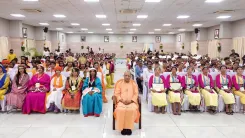
Anurag Thakur Hails 'Vande Mataram' at Red Fort on I-Day
Synopsis
BJP MP Anurag Thakur marked Independence Day 2026 by claiming 'Vande Mataram' echoed from Red Fort's ramparts for the first time — a moment that raises pointed questions about India's ceremonial treatment of its national song, which has held constitutional parity with Jana Gana Mana since 1950.
Key Takeaways
BJP MP Anurag Thakur posted on 15 August 2026 that 'Vande Mataram' was heard from the ramparts of Red Fort for the first time.
Vande Mataram , composed by Bankim Chandra Chatterjee , was accorded equal status with the national anthem by the Constituent Assembly in 1950 .
Independence Day protocol at Red Fort has historically centred on Jana Gana Mana and flag hoisting since 1947 .
Thakur is a Lok Sabha MP from Hamirpur, Himachal Pradesh and former Union Minister of Information and Broadcasting .
Whether this marks a permanent shift in Independence Day musical protocol or a standalone performance remains to be seen from official programme details.
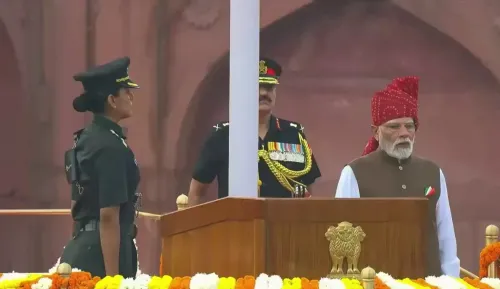
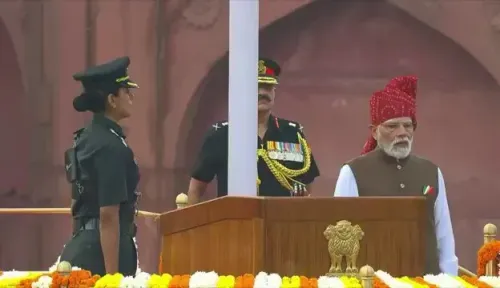
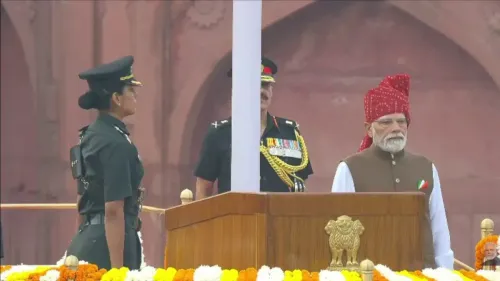
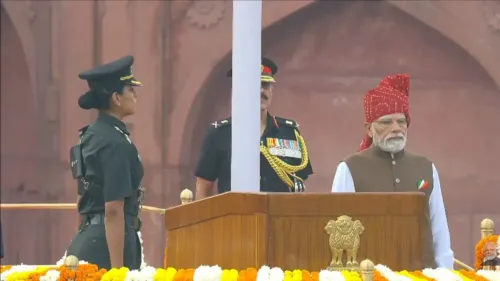
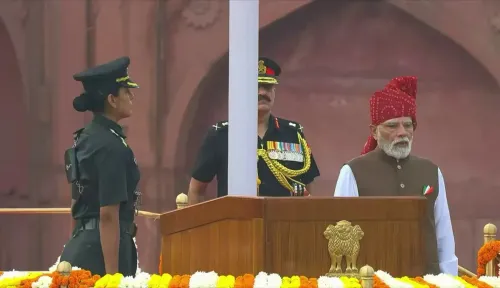
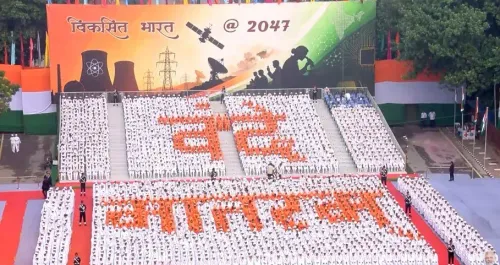
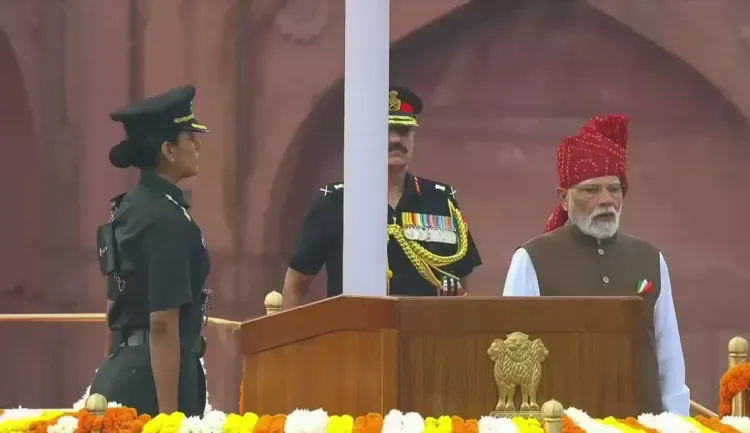
A historic first — or so the moment was framed. On Independence Day, 15 August 2026, BJP MP Anurag Thakur took to X to mark what he described as the national song 'Vande Mataram' ringing out from the ramparts of the Red Fort for the very first time, a claim that immediately set off conversation about India's most cherished ceremonial ground.
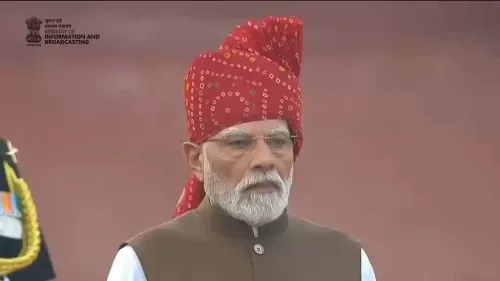
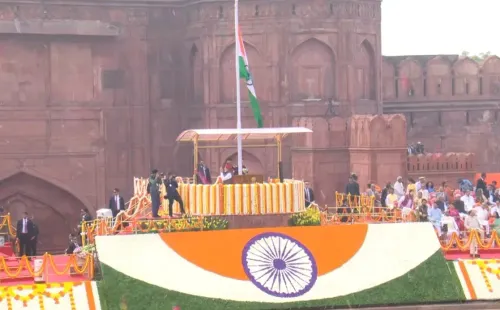
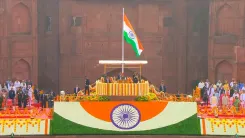
Thakur's post — 'Lal Kile ki prachir par pehli baar goonja rashtriya geet Vande Mataram' ('For the first time, the national song Vande Mataram echoed from the ramparts of Red Fort') — was brief, but the weight it carried was not. The Red Fort in Delhi has been the symbolic heart of India's Independence Day since 1947, the stage from which every Prime Minister has addressed the nation beneath the tricolour. Its musical protocol has always been anchored to the national anthem, Jana Gana Mana.
Vande Mataram and the Long Road to Equal Standing
Vande Mataram is no newcomer to India's national identity. Composed by Bankim Chandra Chatterjee in the 19th century, it served as a rallying cry through the independence movement before the Constituent Assembly in 1950 formally accorded it equal status with Jana Gana Mana as the national song. Yet 'equal status' in law has not always translated to equal presence in ceremony — and the Red Fort stage, with its unmatched symbolic weight, has historically centred on the anthem alone.
That gap between constitutional parity and ceremonial practice has periodically surfaced in public and political discourse. Whether 15 August 2026 marks a formal shift in Independence Day protocol, or a one-time performance, is a question that will now follow every future programme at the fort.
Why the Red Fort Ramparts Matter
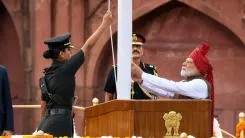
The Red Fort — a 17th-century Mughal monument at the heart of Old Delhi — is not merely a backdrop. It is the stage on which the Prime Minister hoists the national flag and delivers the Independence Day address, a tradition unbroken since 1947. Every addition to or subtraction from its ceremonial choreography carries outsized meaning. A song performed here is not just performed — it is consecrated into the national memory of the day.
For Anurag Thakur, a former Union Minister of Information and Broadcasting with a long track record of championing cultural nationalism, the moment clearly resonated. His post, accompanied by the tricolour emoji, was spare in words but pointed in intent.
Point of View
Yet its presence at the Republic's most prominent stage has been limited. For the BJP, elevating the national song at Red Fort fits a broader cultural-nationalist project of aligning state ceremony with symbols drawn from the independence movement. If the 2026 programme formalises Vande Mataram's place in Independence Day protocol, it would be the most significant change to the Red Fort's ceremonial script in decades — and a marker worth tracking in future editions of the national day.
NationPress
15 Aug 2026
Frequently Asked Questions
What is Vande Mataram and why is it significant?
'Vande Mataram' is India's national song, composed by Bankim Chandra Chatterjee. The Constituent Assembly in 1950 gave it equal status with the national anthem 'Jana Gana Mana', recognising its role as a rallying cry during the independence movement.
Has Vande Mataram been sung at Red Fort before?
BJP MP Anurag Thakur claimed on 15 August 2026 that it was performed at the Red Fort ramparts for the first time. This specific claim cannot be independently verified from historical records available before 2026.
What is the difference between India's national anthem and national song?
'Jana Gana Mana', composed by Rabindranath Tagore, is India's national anthem. 'Vande Mataram', composed by Bankim Chandra Chatterjee, is the national song. Both were accorded equal honour by the Constituent Assembly in 1950, though the anthem is more commonly used at official ceremonies.
Who is Anurag Thakur?
Anurag Thakur is a BJP Lok Sabha MP from Hamirpur, Himachal Pradesh, and a former Union Minister of Information and Broadcasting as well as Youth Affairs and Sports.
Why is Red Fort used for Independence Day celebrations?
Red Fort, a 17th-century Mughal monument in Delhi, has been the venue for the Prime Minister's Independence Day address and flag hoisting since 1947, making it the symbolic centre of India's national day.