AP CM Chandrababu Meets Farmers, Orders Land Fix in Kalidindi
Synopsis
Chief Minister Chandrababu Naidu met farmers and ex-servicemen in Kalidindi, Eluru district during the 'Mee Bhoomi-Mee Hakku' programme, ordering de-notification powers devolved to RDOs and clearing land registration for 830 families holding 2,745 acres across three villages.
Key Takeaways
830 families across Unikili, Kalidindi, and Vaivaka villages had their land blocked from registration under Section 22-A notifications.
CM Chandrababu Naidu met affected farmers and ex-servicemen at the Kalidindi Tahsildar office on August 10, 2026 .
Immediate orders were issued to vest de-notification authority with the RDO , shortening the clearance chain.
2,745 acres belonging to the 830 families are now set to proceed to formal registration.
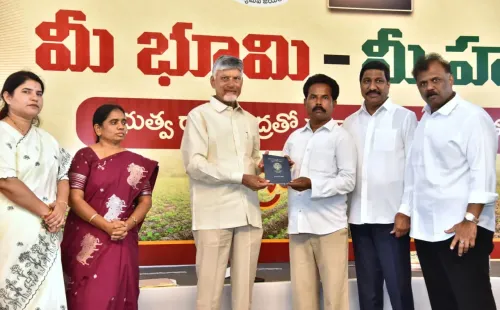
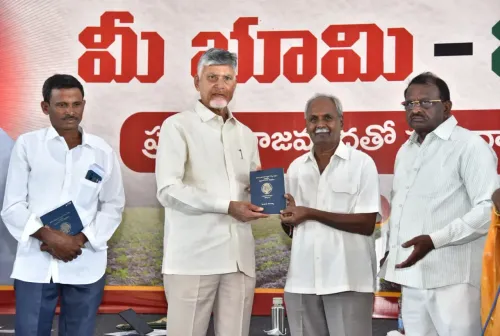
1-B Adangal copies — revenue record extracts establishing cultivation rights — were distributed on the spot.
The event was held under the state's 'Mee Bhoomi-Mee Hakku' (Your Land-Your Right) land title programme.
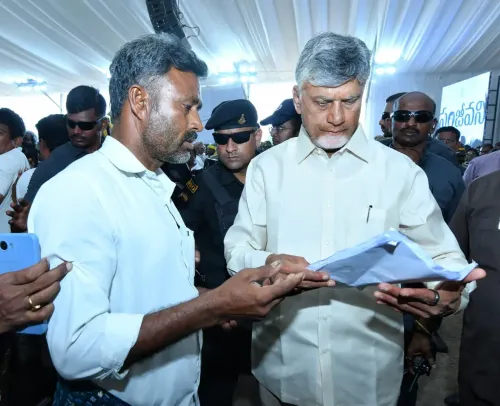
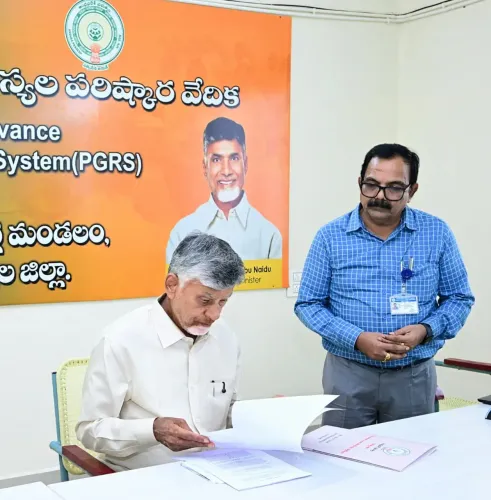
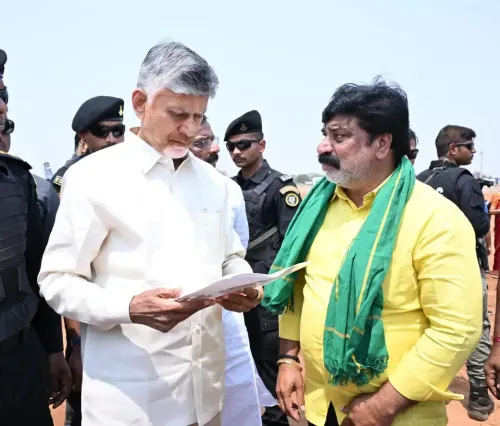
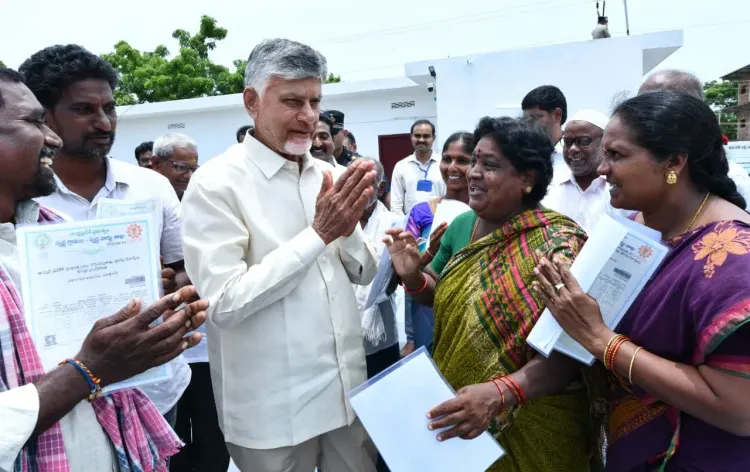
Farmers in Kalidindi, Eluru district had a problem that had followed them for years — their own land, locked away from registration by a bureaucratic listing that made it untouchable. On Monday, August 10, 2026, the Chief Minister's Office of Andhra Pradesh announced that Chief Minister Nara Chandrababu Naidu met those farmers — and ex-servicemen — at the local Tahsildar office during the 'Mee Bhoomi-Mee Hakku' ('Your Land-Your Right') programme in Kalidindi, Eluru district, and left with orders already issued.
The 22-A Trap: What Was Blocking 830 Families
At the heart of the grievance is Section 22-A of the Registration Act — a notification list that flags certain lands as prohibited for registration, effectively freezing transactions and titles. For the farmers of Unikili, Kalidindi, and Vaivaka villages, inclusion on that list meant their holdings existed on the ground but not in law. 830 families holding 2,745 acres across these three villages could not register their own land.
The 22-A problem is not new to Andhra Pradesh. Successive governments have wrestled with lands that were swept into the prohibited list — sometimes correctly, often not — leaving long-term cultivators in legal limbo, unable to sell, mortgage, or formally inherit what they farm every season.
On-the-Spot Orders: Powers Pushed Down to the RDO
Chandrababu Naidu's response at the Tahsildar office was immediate. He directed the District Collector to vest de-notification powers with the Revenue Divisional Officer (RDO) — pushing the authority to clear 22-A listings down to a district-level official who can act faster than a state-level process typically allows. The move is designed to cut the bureaucratic chain between a farmer's petition and its resolution.
Simultaneously, the administration moved to ensure 2,745 acres belonging to those 830 families would proceed to registration, and 1-B Adangal copies — the revenue record extract that establishes cultivation rights — were distributed to the affected farmers on the spot. Farmers at the meeting expressed gratitude to the Chief Minister.
'Mee Bhoomi-Mee Hakku' and the Larger Land-Title Push
The programme under which Monday's event was held — Mee Bhoomi-Mee Hakku — is the state's structured drive to resolve land title disputes and get Pattadar Passbooks into the hands of rightful cultivators. Andhra Pradesh has previously run digitisation efforts through platforms like the Bhudhaar portal to clean up revenue records across coastal districts, but ground-level disputes — especially 22-A listings — have persisted as a stubborn last mile.
The delegation of de-notification authority to RDOs is the kind of administrative re-wiring that, if replicated across mandals, could accelerate clearances in Eluru and neighbouring districts where similar complaints have piled up.
For the farmers of Kalidindi, the passbook is more than a document — it is collateral for a crop loan, proof for an inheritance, and the legal floor beneath everything they grow. That it took a Chief Minister's visit to unlock it for 830 families says as much about the scale of the backlog as it does about the urgency of Monday's intervention.
Point of View
Not just a symbolic gesture, and signals that the TDP government under Chandrababu Naidu is treating 22-A clearances as a political deliverable. The 'Mee Bhoomi-Mee Hakku' programme gives that effort a branded, trackable frame, useful for accountability ahead of local elections. The real test, however, is replication: whether RDO-level authority translates into faster clearances across the dozens of other mandals in Eluru and coastal Andhra where similar backlogs persist will determine whether this is a one-day headline or a durable policy shift.
NationPress
25 Sept 2026
Frequently Asked Questions
What is the 'Mee Bhoomi-Mee Hakku' programme in Andhra Pradesh?
'Mee Bhoomi-Mee Hakku' (Your Land-Your Right) is an Andhra Pradesh government programme to resolve land title disputes and distribute Pattadar Passbooks to farmers, aiming to formally recognise their cultivation and ownership rights.
What is Section 22-A and why does it block land registration?
Section 22-A of the Registration Act allows the government to list certain lands as prohibited for registration. Lands on this list cannot be sold, mortgaged, or formally registered, leaving farmers in legal limbo even if they have cultivated the land for years.
What did Chandrababu Naidu order for farmers in Kalidindi?
CM Chandrababu Naidu directed the District Collector to vest de-notification powers with the Revenue Divisional Officer (RDO) so that 22-A listings can be cleared faster, and ensured that 2,745 acres belonging to 830 families in three villages would proceed to registration.
What is a 1-B Adangal copy and why is it important for farmers?
A 1-B Adangal is an official revenue record extract that establishes a farmer's cultivation rights over a piece of land. It is a key document for accessing crop loans, proving ownership, and settling inheritance, and was distributed to affected farmers at the Kalidindi event.
Which villages in Eluru district benefited from the Kalidindi land rights event?
Farmers from Unikili, Kalidindi, and Vaivaka villages in Eluru district benefited, with 830 families holding a combined 2,745 acres set to have their land formally registered.