AP Signs MoU with Iceland Ocean Cluster for Bhimavaram Aquaculture
Synopsis
Andhra Pradesh inked an MoU with Iceland Ocean Cluster in CM Chandrababu Naidu's presence to develop the Bhimavaram Aquaculture Cluster, bringing Nordic marine biotech, waste-to-value processing, and startup support to one of India's top shrimp-producing regions.
Key Takeaways
The Andhra Pradesh government signed an MoU with Iceland Ocean Cluster for the Bhimavaram Aquaculture Cluster on 21 November 2026 .
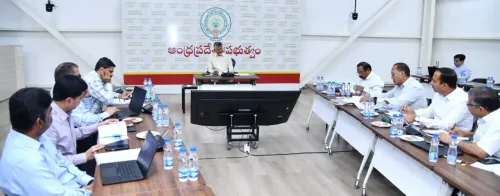
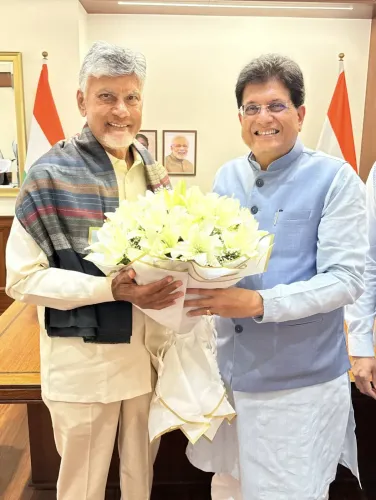
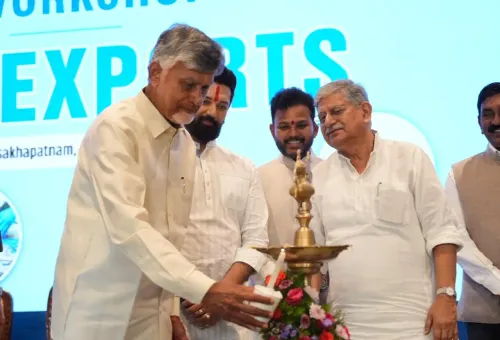
The agreement was signed in the presence of Chief Minister Nara Chandrababu Naidu .
Collaboration covers modern processing technology , marine biotechnology , and manufacturing valuable products from fish and shrimp by-products.
Iceland Ocean Cluster will provide support in research , technology transfer , training , and startup promotion .
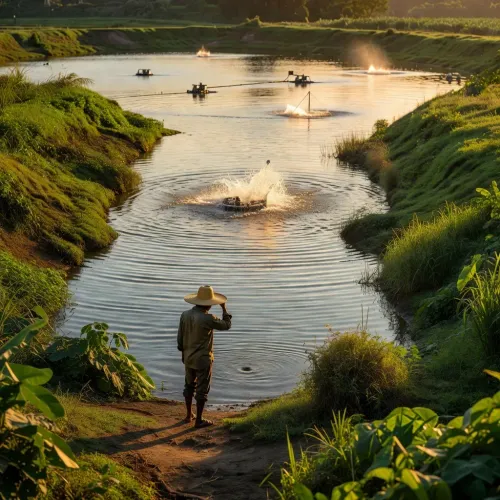
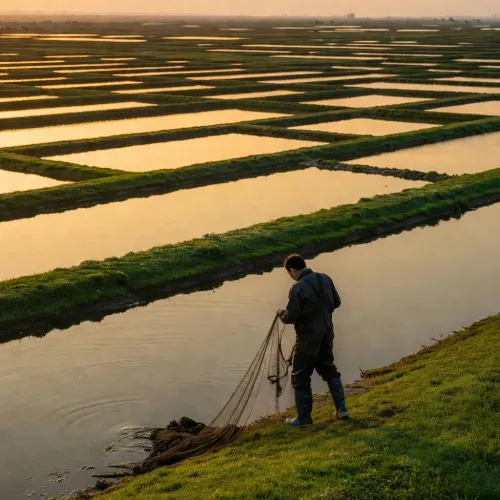
Bhimavaram in West Godavari district is a longstanding centre of shrimp and fish aquaculture and the designated base for the new cluster.
The partnership aims to boost sustainable aquaculture development, exports, and additional income for coastal communities in Andhra Pradesh.
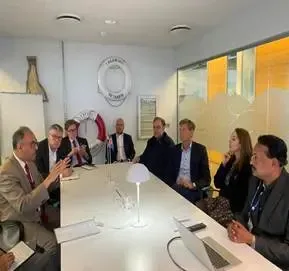
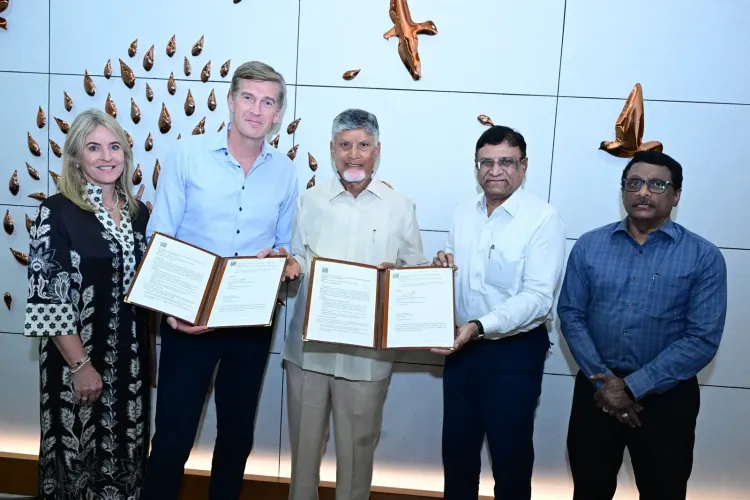
A Nordic handshake is set to transform one of India's most productive shrimp belts. The Chief Minister's Office of Andhra Pradesh announced on 21 November 2026 that the Andhra Pradesh government has signed a Memorandum of Understanding with the Iceland Ocean Cluster for the development of the Bhimavaram Aquaculture Cluster — in the presence of Chief Minister Nara Chandrababu Naidu.
What the MoU covers: from fish waste to high-value exports
The agreement targets full utilisation of fish and shrimp — meaning nothing goes to waste. The partnership is designed to create additional value from marine products, with a specific focus on modern processing technology, marine biotechnology, and manufacturing valuable goods from what were previously discarded by-products. The Iceland Ocean Cluster, internationally recognised for its expertise in converting seafood waste streams into premium products, will share its know-how directly with Bhimavaram's aquaculture ecosystem.
Beyond technology, the MoU commits the Icelandic side to supporting research, technology transfer, training programmes, and startup incubation. That last piece matters — it signals an intent to build an innovation layer on top of Bhimavaram's existing farming and processing base, not just upgrade existing lines.
Why Bhimavaram — and why Iceland
Bhimavaram, in West Godavari district, is not an arbitrary choice. The town sits at the heart of Andhra Pradesh's shrimp and fish farming country — a region that has supplied Indian seafood exports for decades. What it has largely lacked is downstream sophistication: advanced processing, biotech-derived products, and the certification standards that premium Western markets demand.
Iceland, meanwhile, runs one of the world's most efficient marine economies relative to its size. The Iceland Ocean Cluster has built a global reputation for exactly the waste-to-value model Andhra Pradesh is now importing. The pairing is deliberate. It addresses the gap between raw aquaculture output and the value-added tier that earns significantly higher export prices.
AP's blue economy push — and what rides on this cluster
Andhra Pradesh has consistently ranked among India's top seafood exporting states, and the Naidu administration has revived its push for international technology partnerships after returning to power. This MoU fits neatly into India's broader blue economy policy framework, which explicitly prioritises waste-to-value marine processing and sustainability benchmarks that global buyers — particularly in Europe and North America — now require as conditions of trade.
Similar tie-ups with Nordic and European marine clusters have been attempted by coastal Indian states in recent years, but the Bhimavaram focus gives this one geographic and sectoral precision. The direct beneficiaries are aquaculture farmers, seafood exporters, and the coastal communities of West Godavari — people whose income is tied directly to whether a shrimp fetches commodity prices or premium ones.
The real test, now, is speed of implementation: whether the cluster facilities, startup programmes, and processing upgrades move from signed paper to functioning infrastructure — and whether the export data from Andhra Pradesh's coastline starts to reflect it.
Point of View
The state is betting that export sophistication, not raw volume, is the next frontier for aquaculture earnings. The startup and training components suggest ambitions beyond a single processing upgrade — the government appears to be seeding a longer-term innovation ecosystem on the coast. Whether this MoU graduates from intent to measurable export growth will be the defining metric for the partnership's credibility.
NationPress
21 Nov 2026
Frequently Asked Questions
What is the Bhimavaram Aquaculture Cluster MoU about?
The Andhra Pradesh government signed an MoU with the Iceland Ocean Cluster to develop the Bhimavaram Aquaculture Cluster, covering modern fish and shrimp processing technology, marine biotechnology, waste-to-value product manufacturing, research, training, and startup support.
Who is the Iceland Ocean Cluster?
The Iceland Ocean Cluster is an Icelandic organisation focused on fisheries innovation and ocean economy development, internationally known for converting seafood by-products into high-value goods and sharing marine technology with partner regions.
Why is Bhimavaram chosen for this aquaculture cluster?
Bhimavaram in West Godavari district, Andhra Pradesh, is a longstanding hub for shrimp and fish farming and processing, making it the natural anchor point for a cluster aimed at upgrading the state's seafood value chain.
How will this MoU benefit Andhra Pradesh fisheries?
The partnership is expected to enable full utilisation of fish and shrimp, create higher-value products from marine by-products, improve export quality and earnings, and support coastal communities through new technology, training, and startup programmes.
What is Chandrababu Naidu's role in this agreement?
Chief Minister Nara Chandrababu Naidu was present at the signing of the MoU between the Andhra Pradesh government and the Iceland Ocean Cluster, underscoring the state leadership's direct commitment to the Bhimavaram Aquaculture Cluster initiative.