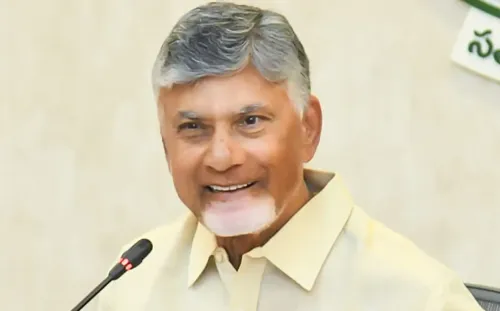
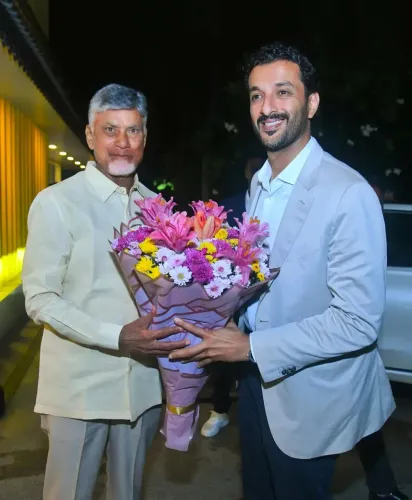
CM Naidu, UAE Economy Minister Sign AP-UAE Food Cluster Pact
Synopsis
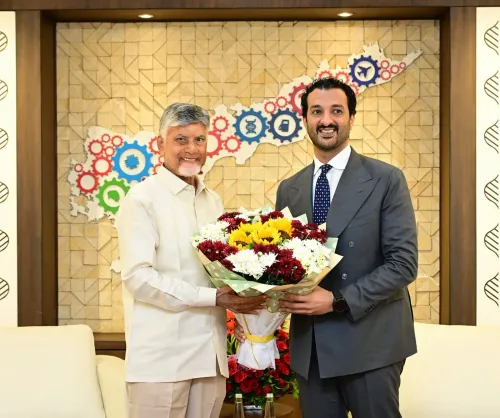
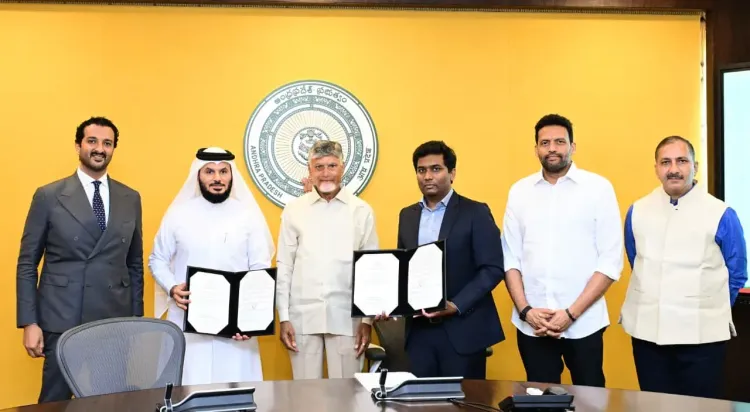
Andhra Pradesh Chief Minister Chandrababu Naidu and UAE Economy Minister Abdullah bin Touq Al Marri signed a food cluster partnership at the AP Secretariat on 21 July 2026, building on a Davos commitment to create international value chains for mangoes, bananas, and cocoa.
Key Takeaways
Andhra Pradesh and the United Arab Emirates signed a formal partnership agreement on 21 July 2026 to establish a food cluster in the state.
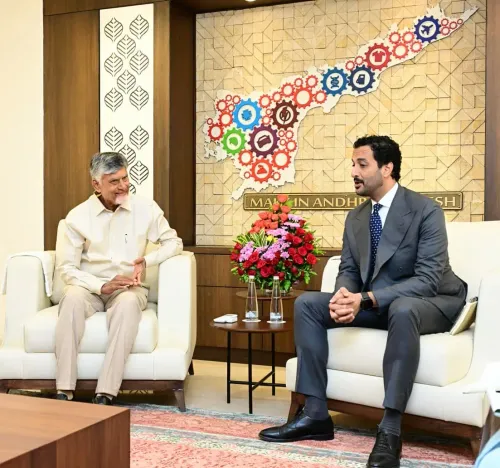
UAE Minister of Economy and Tourism Abdullah bin Touq Al Marri met CM N.
Chandrababu Naidu at the state secretariat for comprehensive bilateral discussions.
The agreement follows the UAE's expression of interest during CM Naidu's Davos visit earlier in 2026 .
The value chain will cover mangoes, bananas, cocoa , and other horticultural produce for export to international markets.
Bharath and senior officials from Food Processing, Industries, and the Economic Development Board participated in the meeting.
The deal builds on the India-UAE Comprehensive Economic Partnership Agreement signed in 2022 .
Andhra Pradesh Chief Minister N. Chandrababu Naidu met UAE Minister of Economy and Tourism Abdullah bin Touq Al Marri at the state secretariat on Tuesday, 21 July 2026, culminating in a formal partnership agreement between the Government of Andhra Pradesh and the United Arab Emirates to establish a food cluster and build an agricultural value chain targeting international markets.
Context
The meeting formalised a commitment that had been signalled months earlier. During Chief Minister Naidu's visit to Davos earlier this year, the UAE had expressed readiness to set up a food cluster in Andhra Pradesh. Tuesday's secretariat-level meeting with a UAE delegation translated that expression of intent into a signed partnership agreement.
The Chief Minister's Office stated that 'comprehensive discussions' were held with the UAE delegation before the agreement was concluded. Minister T.G. Bharath, along with senior officials from the Food Processing department, the Industries department, and the Economic Development Board (EDB) of Andhra Pradesh, participated alongside the UAE delegation.
Policy Backdrop
The agreement sits within a broader India-UAE economic framework. India and the UAE signed a Comprehensive Economic Partnership Agreement (CEPA) in 2022, which specifically aimed at expanding bilateral trade in goods including agricultural products, providing a legal and tariff architecture that facilitates deals of this kind.
Andhra Pradesh has consistently positioned horticulture and food processing as priority sectors for foreign direct investment. The state is among India's leading producers of horticultural crops, and successive governments have sought to move up the value chain — from raw produce exports to processed and packaged goods that command higher margins in global markets.
Indian states have increasingly leveraged forums such as the World Economic Forum at Davos to lock in foreign partnerships for agricultural infrastructure, and the Andhra Pradesh-UAE engagement follows a pattern seen across multiple states that have pursued food-security collaborations with UAE entities.
Stakeholders and Impact
The partnership agreement specifically identifies a value chain for mangoes, bananas, and cocoa, along with various other horticultural produce, to be routed to international markets. The decision to establish this value chain infrastructure is intended to give Andhra Pradesh's horticulture farmers direct access to export pipelines rather than relying on intermediary markets.
Food processing industries in the state stand to benefit from the food cluster, which is expected to bring in processing technology, cold-chain logistics, and market linkages. The UAE, which has pursued food security partnerships with multiple Indian states, gains a reliable supply-chain anchor for high-quality Indian horticultural produce.
What's Next
The formal rollout of the food cluster project — including site selection, infrastructure planning, and operational timelines — will be the immediate next step to watch. Follow-up trade missions and any additional agreements on export logistics are likely as the partnership moves from signing to implementation.
Observers will also track whether Andhra Pradesh's state budget reflects new allocations or policy incentives to support value-chain infrastructure linked to this agreement. The success of the model, if realised, could position the state as a template for other horticulture-rich Indian states seeking similar UAE partnerships under the CEPA framework.
Point of View
Who has built a political identity around investor confidence and infrastructure-led growth, converting a Davos handshake into a secretariat-level signed agreement within months is a deliberate signalling exercise. The focus on mango, banana, and cocoa value chains is strategically shrewd — these are crops where Andhra Pradesh has genuine surplus and where value-addition can directly benefit smallholder farmers, giving the deal both economic and political resonance ahead of any future electoral cycle. Broader regional competition among Indian states for UAE agri-investment means Andhra Pradesh will need to move quickly from agreement to ground-level implementation to retain its first-mover advantage.
NationPress
20 Oct 2026
Frequently Asked Questions
What is the Andhra Pradesh UAE food cluster agreement about?
The agreement signed on 21 July 2026 commits the Government of Andhra Pradesh and the UAE to establish a food cluster in the state, creating a value chain for horticultural produce including mangoes, bananas, and cocoa for export to international markets.
Who signed the AP UAE food cluster deal?
The partnership agreement was concluded between the Government of Andhra Pradesh and the UAE following a meeting between Chief Minister N. Chandrababu Naidu and UAE Minister of Economy and Tourism Abdullah bin Touq Al Marri at the AP Secretariat.
What crops will the AP UAE food cluster focus on?
The value chain under the agreement will cover mangoes, bananas, and cocoa, along with various other horticultural produce from Andhra Pradesh, to be processed and exported to international markets.
How does this relate to Chandrababu Naidu's Davos visit?
During CM Naidu's visit to the World Economic Forum in Davos earlier in 2026, the UAE had expressed readiness to set up a food cluster in Andhra Pradesh. The 21 July 2026 secretariat meeting formalised that commitment into a signed agreement.
What is the India UAE CEPA and how does it relate to this deal?
India and the UAE signed a Comprehensive Economic Partnership Agreement in 2022 to expand bilateral trade including in agricultural goods. The AP-UAE food cluster partnership operates within this broader framework, which provides tariff and trade facilitation benefits.