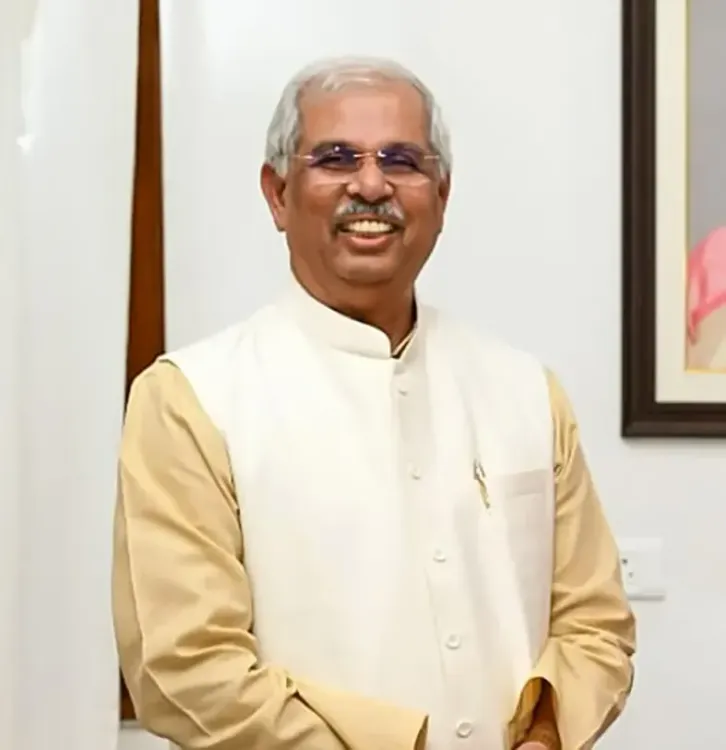
Rajendra Vishwanath Arlekar Takes Oath as Acting Governor of Tamil Nadu
Synopsis
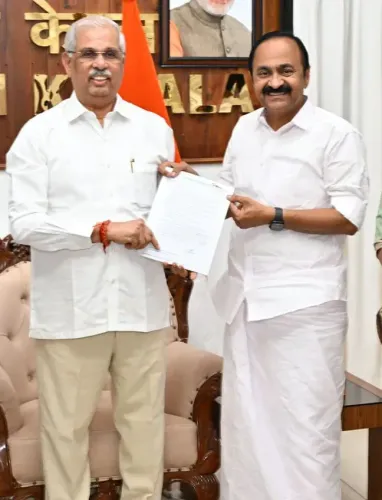
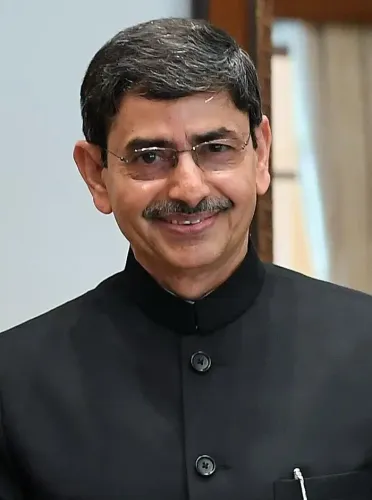
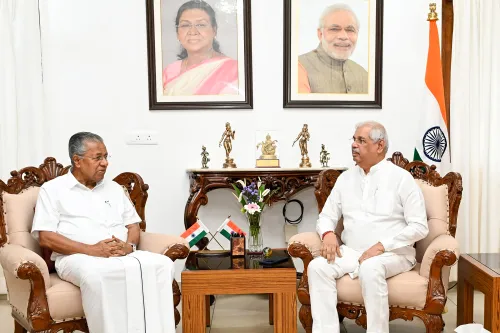
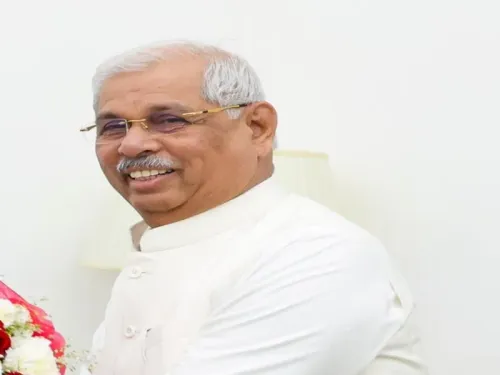
In a significant political transition, Kerala Governor Rajendra Vishwanath Arlekar has been sworn in as the Acting Governor of Tamil Nadu. The ceremony, held at the historic People’s Palace, signifies a pivotal moment amid recent gubernatorial reshuffles.
Key Takeaways
Rajendra Vishwanath Arlekar sworn in as Acting Governor of Tamil Nadu .
Ceremony held at the historic People's Palace in Chennai .
Oath administered by Chief Justice Sushrut Arvind Dharmadhikari .
Appointment follows a recent reshuffle in gubernatorial positions.
State administration to continue under interim governance until further notice.
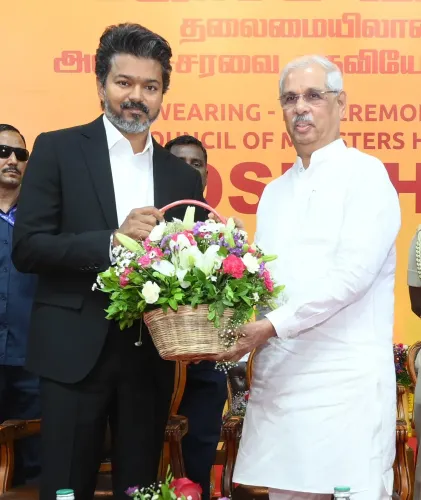
On March 12, in Chennai, Kerala's Governor Rajendra Vishwanath Arlekar took the oath as the Acting Governor of Tamil Nadu during a formal ceremony at the renowned People’s Palace in Guindy. The Chief Justice of the Madras High Court, Justice Sushrut Arvind Dharmadhikari, administered the oath in front of numerous prominent political figures and officials.
This appointment comes in light of a recent reshuffle in gubernatorial roles by the Union government. Following the resignation of C.V. Ananda Bose as the Governor of West Bengal, President Droupadi Murmu reassigned Tamil Nadu's Governor R.N. Ravi to oversee the eastern state. Consequently, Rajendra Vishwanath Arlekar has been entrusted with the additional duty of serving as the Acting Governor of Tamil Nadu until a permanent solution is established.
Arriving in Chennai late on Wednesday evening, Arlekar attended the swearing-in ceremony, which saw attendance from high-ranking officials within the Tamil Nadu government, as well as leaders from various political parties.
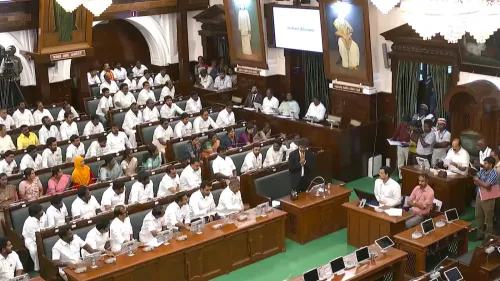
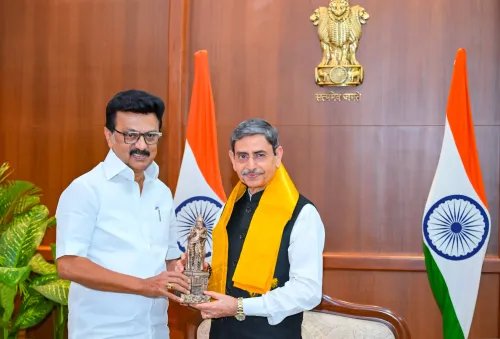
Among those present were Chief Minister M.K. Stalin and Speaker M. Appavu of the Tamil Nadu Legislative Assembly. Several state cabinet members, including K.N. Nehru, M.R. K. Panneerselvam, E.V. Velu, Raghupathi, M. Subramanian, and Sekar Babu, also attended.
The Tamil Nadu BJP President, Nainar Nagendran, and former Telangana Governor and previous Tamil Nadu BJP leader Tamilisai Soundararajan were also in attendance.
Senior bureaucrats, including the state Chief Secretary and various police officials, witnessed the oath-taking ceremony. This event signifies a notable administrative transition for the state, coinciding with changes in governors across multiple states. Earlier that day, R.N. Ravi officially took the oath as the new Governor of West Bengal.
As Arlekar assumes the role of Acting Governor of Tamil Nadu, it is anticipated that the state administration will maintain operations under this temporary governance until the central government appoints a permanent successor.
Point of View
This appointment underscores the continuing evolution of governance across various states. Observers will be keen to see how this interim arrangement unfolds in the coming weeks.
NationPress
20 Sept 2026
Frequently Asked Questions
Who is Rajendra Vishwanath Arlekar?
Rajendra Vishwanath Arlekar is the Governor of Kerala who has been appointed as the Acting Governor of Tamil Nadu following recent changes in gubernatorial roles.
Where was the swearing-in ceremony held?
The swearing-in ceremony took place at the historic People’s Palace in Guindy, Chennai.
Who administered the oath of office?
The oath of office was administered by Chief Justice of the Madras High Court, Justice Sushrut Arvind Dharmadhikari.
What led to this appointment?
Rajendra Vishwanath Arlekar's appointment as Acting Governor of Tamil Nadu follows the resignation of C.V. Ananda Bose as Governor of West Bengal and the subsequent reassignment of R.N. Ravi.
What is the expected duration of Arlekar's role?
Rajendra Vishwanath Arlekar will serve as Acting Governor of Tamil Nadu until the Centre makes a permanent appointment.