Eastern Army Commander reviews Nagaland security, meets CFMG chief in Kohima
Synopsis
The head of India's Eastern Army Command travelled to Kohima to personally assess Nagaland's security landscape and sit down with the Ceasefire Monitoring Group chairman — a rare high-level engagement that signals the army's active role in keeping the fragile Naga peace process on track.
Key Takeaways
Krishnan , GOC-in-C Eastern Army Command, visited Kohima on 2 July to review security and operational preparedness in Nagaland .
He was briefed at the Inspector General Assam Rifles (North) headquarters on the operational environment and emerging challenges.
Commendation Cards were presented to personnel for outstanding devotion to duty.
Lt Gen Krishnan held a focused interaction with the Chairman of the Ceasefire Monitoring Group (CFMG) on ceasefire implementation and inter-agency coordination.
Officials reaffirmed all stakeholders' commitment to maintaining an effective ceasefire framework across the Northeastern region .
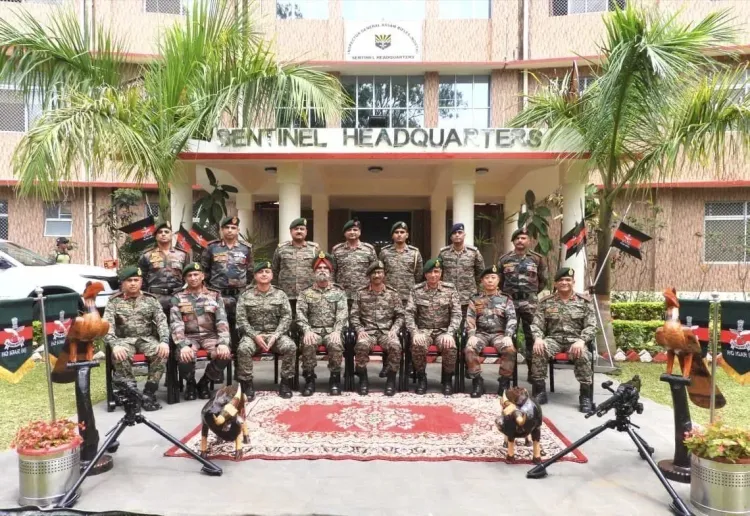
Lt Gen V.M.B. Krishnan, General Officer Commanding-in-Chief (GOC-in-C) of the Eastern Army Command, on Thursday, 2 July conducted a comprehensive review of the security situation and operational preparedness in Nagaland, culminating in a focused interaction with the Chairman of the Ceasefire Monitoring Group (CFMG) to discuss the implementation of ceasefire mechanisms in the state. The visit, confirmed by defence officials, signals the Eastern Command's sustained attention to the evolving security landscape in the Northeast.
Assessment at Assam Rifles Headquarters
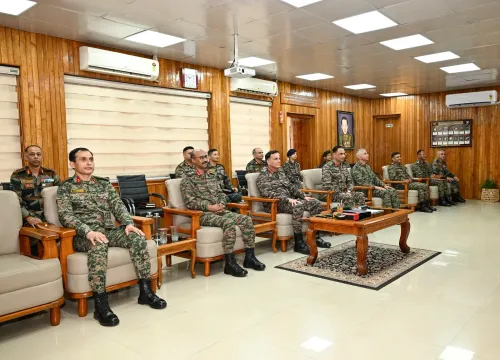
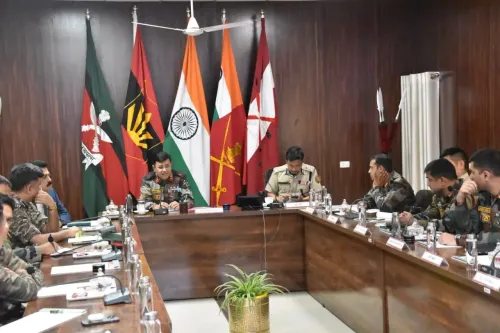
Lt Gen Krishnan, accompanied by the General Officer Commanding (GOC) of Spear Corps, visited the Headquarters of the Inspector General Assam Rifles (North) in Kohima. There, he received a detailed briefing on the operational environment, evolving security dynamics, and the formation's preparedness to handle emerging challenges, according to Defence spokesman Lt Col Mahendra Rawat.
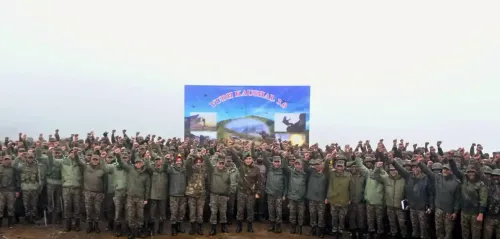
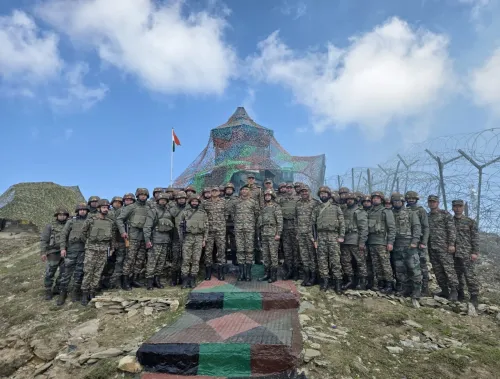
The Army Commander interacted directly with officers and troops, commending their professionalism and commitment to maintaining peace in what officials described as a 'complex operational environment.' In recognition of outstanding performance, Lt Gen Krishnan presented Commendation Cards to deserving personnel during the visit.
Ceasefire Mechanism Under Review
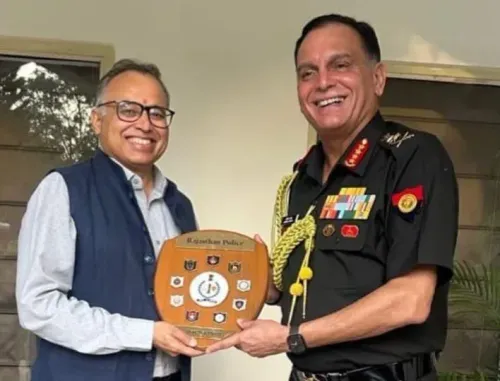
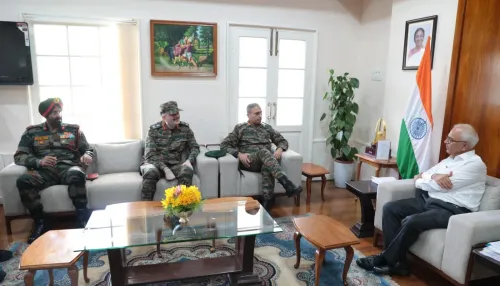
A key element of the visit was Lt Gen Krishnan's interaction with the Chairman of the CFMG — the body tasked with monitoring the ground ceasefire between the Indian Army and various Naga armed groups. The discussions covered the prevailing security situation, inter-agency coordination, and the effective implementation of ceasefire frameworks currently in place across the state.
According to Lt Col Rawat, the deliberations underscored the importance of sustained cooperation among security agencies and reaffirmed all stakeholders' commitment to an effective ceasefire framework. This comes amid ongoing efforts by the Centre to advance the long-stalled Naga peace process, which has seen multiple rounds of negotiations over several decades.
Broader Significance for Northeast Security
The visit reflects the Eastern Command's broader mandate to ensure seamless coordination across the Northeastern region, where multiple ceasefire agreements and peace talks run in parallel. Notably, the CFMG plays a critical role in preventing violations that could derail dialogue — making high-level army engagement with the group a significant confidence-building measure.
The Eastern Command's continued operational focus on Nagaland also comes at a time when security agencies are closely monitoring inter-factional dynamics among Naga groups, some of which remain outside the formal ceasefire framework. Officials indicated that collaborative efforts and constructive engagement remain central to the region's long-term stability.
What Comes Next
No specific outcomes or agreements from the CFMG interaction were announced publicly. The visit is expected to inform operational planning and inter-agency coordination protocols in the weeks ahead. All stakeholders, according to officials, reaffirmed their commitment to addressing emerging security challenges through close coordination.
Point of View
Some outside formal agreements. High-level engagement helps, but without a political breakthrough on the broader Naga settlement, operational reviews can only hold the line — not resolve the underlying impasse.
NationPress
1 Oct 2026
Frequently Asked Questions
Why did the Eastern Army Commander visit Nagaland on 2 July?
Lt Gen V.M.B. Krishnan visited Kohima on 2 July to review the security situation and operational preparedness in Nagaland, and to hold a key interaction with the Chairman of the Ceasefire Monitoring Group (CFMG) on ceasefire implementation and inter-agency coordination, according to defence officials.
What is the Ceasefire Monitoring Group (CFMG) in Nagaland?
The CFMG is the body responsible for monitoring the ground ceasefire between the Indian Army and Naga armed groups in Nagaland. It plays a central role in preventing violations that could derail ongoing peace negotiations between the Centre and various Naga factions.
What was discussed during the CFMG interaction?
The discussions covered the prevailing security situation, inter-agency coordination, and the effective implementation of ceasefire mechanisms across Nagaland. Officials said all stakeholders reaffirmed their commitment to a sustained and effective ceasefire framework.
What happened at the Assam Rifles headquarters during the visit?
Lt Gen Krishnan received a detailed briefing on the operational environment and security dynamics at the Inspector General Assam Rifles (North) headquarters. He also interacted with troops and presented Commendation Cards to personnel for outstanding professional performance.
What does this visit signal for the Naga peace process?
The high-level engagement with the CFMG chairman is widely seen as a confidence-building measure aimed at reinforcing inter-agency cooperation. However, no specific agreements or outcomes from the interaction were publicly announced, and the broader Naga political settlement remains unresolved.