Indian Army flags off Walong trek ahead of 64th Walong Day in Arunachal
Synopsis
As the 64th Walong Day approaches, the Indian Army has kicked off a cross-country trek to the Tri Junction in Arunachal Pradesh — honouring a battle in which outnumbered Indian soldiers launched the only offensive strike of the 1962 Sino-Indian War. The commemorations are a pointed reminder of the eastern frontier's enduring strategic relevance.
Key Takeaways
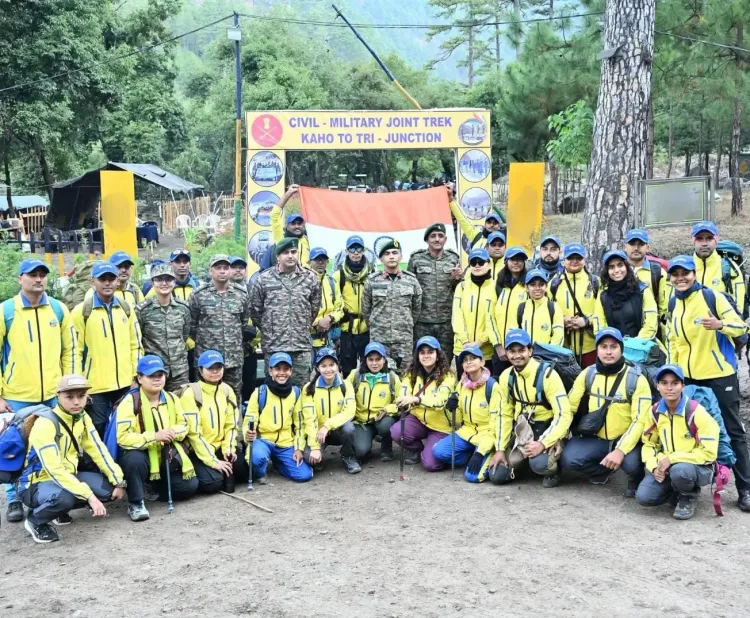
The Indian Army's Spear Corps flagged off an adventure trek to the Tri Junction in Arunachal Pradesh on 26 October 2026 .
The trek runs until 12 November , ahead of Walong Day commemorated on 14 November .
The Walong Half Marathon 2026 , themed 'Run for the Bravehearts', will be held at Lohit Valley on 27 October 2026 .
The Battle of Walong (1962) saw Indian troops — outnumbered and unsupported — conduct the only offensive operation of the war against the PLA.
Lt Bikram Singh Rathore led Delta Company of 6 Kumaon in fierce resistance, including hand-to-hand combat, before being ordered to withdraw.
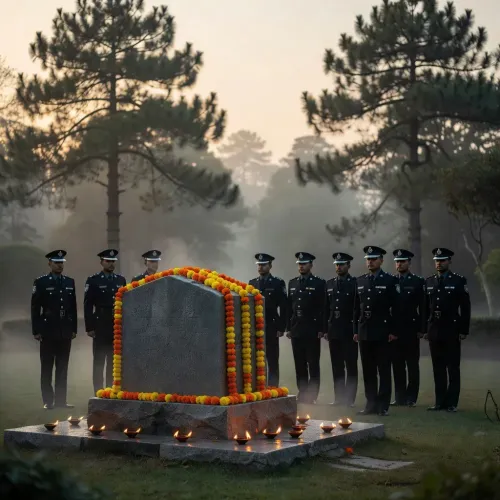
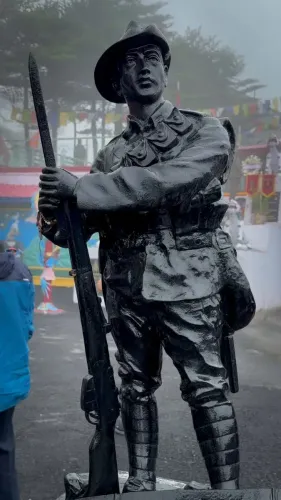
War memorials at Walong include the Walong War Memorial , Helmet Top Post War Memorial , and the Kibithu Hut of Remembrance Memorial .
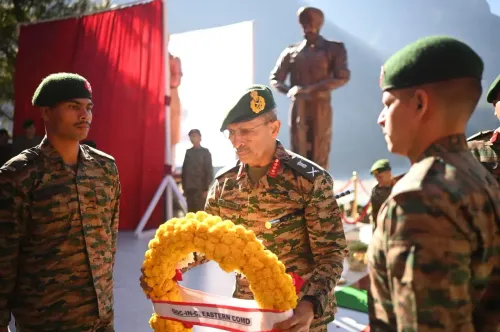
The Indian Army's Spear Corps flagged off an adventure trek to the Tri Junction in Arunachal Pradesh on Monday, 26 October 2026, marking the beginning of commemorative events for the 64th Walong Day. Participants drawn from across the country will trek until 12 November, two days before Walong Day, which is observed annually on 14 November to honour the soldiers who fought in the Battle of Walong during the 1962 Sino-Indian War.
Events Planned Around Walong Day
Alongside the multi-week trek, the formation will also organise the Walong Half Marathon 2026, themed 'Run for the Bravehearts – Remember Walong', at Lohit Valley on 27 October 2026. Both events are designed to keep alive the memory of the supreme sacrifice made by Indian soldiers in one of the most fiercely contested engagements of the 1962 war. This is the first year the commemorations are being anchored by a Tri Junction trek, adding a new dimension to the annual observance.
The Battle of Walong: What Happened in 1962
The Battle of Walong began on 21 October 1962, when the Chinese People's Liberation Army (PLA) launched an attack on the Kibithu Post, roughly 40 km from Walong. Two platoons of Indian troops faced nearly 3,000 PLA soldiers armed with AK-47s and backed by artillery. Realising the post could not be held, 6 Kumaon was ordered to fall back to Walong on 22 October.
A day later, the Delta Company of 6 Kumaon, under Lt Bikram Singh Rathore, ambushed the Chinese at a small hanging bridge over the Namti Nullah, approximately 5 km from Walong — an engagement that inflicted an estimated 200 casualties and injuries on the PLA. The unit was subsequently ordered to the West Ridge, overlooking the Walong Landing Ground.
India's Only Offensive Strike of the War
On 14 October, the 6 Kumaon launched a fierce offensive and captured several Chinese defensive positions at Walong — notably, the only operation in the 1962 war in which Indian troops attacked rather than defended. This push continued until 15 November, with Indian forces pressing forward despite receiving no artillery or aerial support.
On 16 November, a large PLA contingent attacked approximately 100 men of Delta Company, still under Lt Rathore, who had been ordered to hold the post until 11 am. The Kumaoni soldiers repulsed repeated assaults even after their deadline passed and their ammunition ran out, ultimately engaging PLA troops in hand-to-hand combat before being overwhelmed by numbers. The Indians were finally ordered to withdraw from the West Ridge, ceding Walong to the Chinese — but their resistance had slowed the PLA's advance significantly. The Chinese declared a unilateral ceasefire on 21 November 1962, after which PLA forces began withdrawing.
Memorials at Walong Today
Several war memorials now stand at Walong, preserving the memory of those who fought there. The most prominent are the Walong War Memorial, the Helmet Top Post War Memorial, and the Kibithu Hut of Remembrance Memorial. The annual commemorations, backed by the Indian Army, serve as a reminder of the eastern frontier's strategic and historical significance — a region that continues to draw close attention amid ongoing India-China border discussions.
Point of View
A story long overshadowed by the better-documented western-theatre battles. The fact that Walong produced India's only offensive strike of that war makes it strategically significant, not merely sentimental. With India-China border diplomacy still fragile, these events also serve a subtle geopolitical function: asserting historical presence on a frontier that remains contested in spirit if not in active conflict. The question is whether one half marathon and a commemorative trek reach the audiences that matter most.
NationPress
26 Oct 2026
Frequently Asked Questions
What is Walong Day and why is it observed?
Walong Day is observed on 14 November every year to honour the Indian soldiers who fought in the Battle of Walong during the 1962 Sino-Indian War. The battle is notable as the site of the only offensive operation launched by Indian troops against the PLA in that conflict.
What events are planned for the 64th Walong Day in 2026?
The Indian Army's Spear Corps flagged off an adventure trek to the Tri Junction in Arunachal Pradesh on 26 October, running until 12 November. The Walong Half Marathon 2026, themed 'Run for the Bravehearts – Remember Walong', is also scheduled at Lohit Valley on 27 October 2026.
What happened during the Battle of Walong in 1962?
The battle began on 21 October 1962 when PLA forces attacked the Kibithu Post with nearly 3,000 soldiers. The 6 Kumaon regiment mounted fierce resistance, including the war's only Indian offensive, and engaged PLA troops in hand-to-hand combat before being ordered to withdraw on 16 November. A Chinese unilateral ceasefire followed on 21 November.
Who led the Indian troops during the Battle of Walong?
Lt Bikram Singh Rathore commanded Delta Company of the 6 Kumaon regiment. He led a notable ambush at the Namti Nullah bridge and later commanded the defence of the West Ridge until his troops were overwhelmed by superior PLA numbers.
What war memorials exist at Walong today?
Three prominent memorials stand at Walong: the Walong War Memorial, the Helmet Top Post War Memorial, and the Kibithu Hut of Remembrance Memorial. Together they commemorate the soldiers who fought and fell in the 1962 battle.