CM Fadnavis Chairs Mumbai Meet on Tummidihatti Barrage Row
Synopsis
Maharashtra CM Devendra Fadnavis met Telangana CM Revanth Reddy in Mumbai over the Tummidihatti Barrage height proposal. A joint Chief-Secretary-level committee will assess submergence, wildlife, and land impacts. Maharashtra will also conduct an independent study before presenting findings to the Central Water Commission.
Key Takeaways
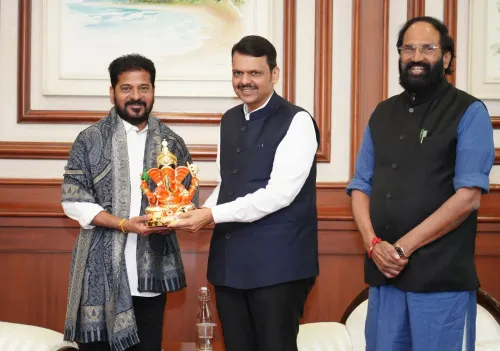
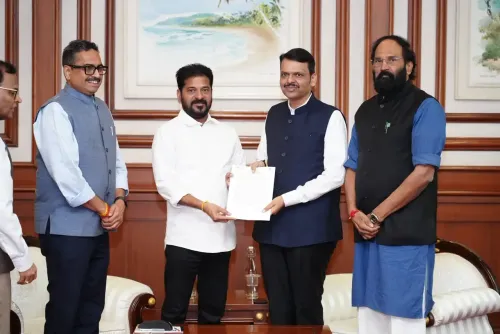
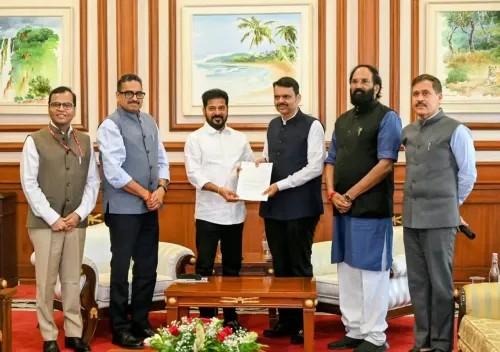
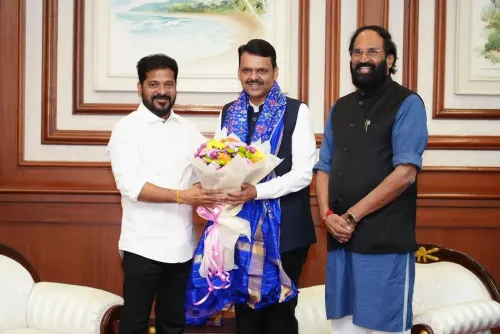
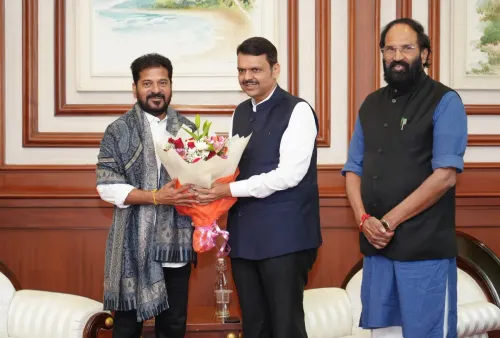
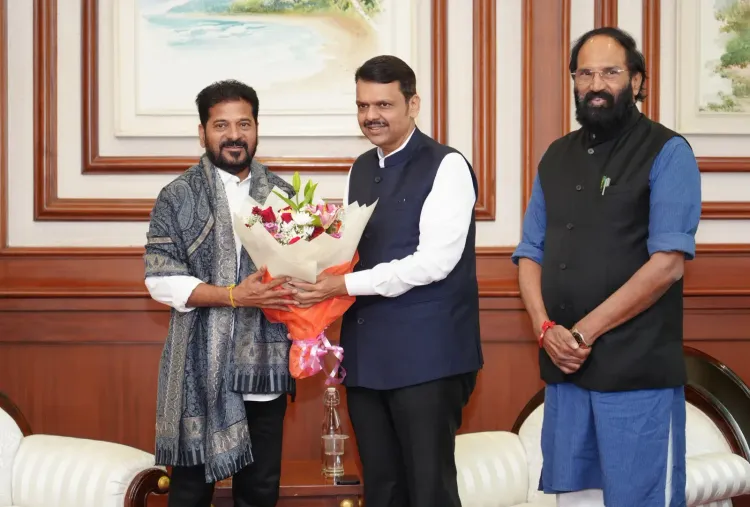
Maharashtra CM Devendra Fadnavis chaired a meeting with a Telangana delegation in Mumbai on 26 October 2026 over the Tummidihatti Barrage height-increase proposal.
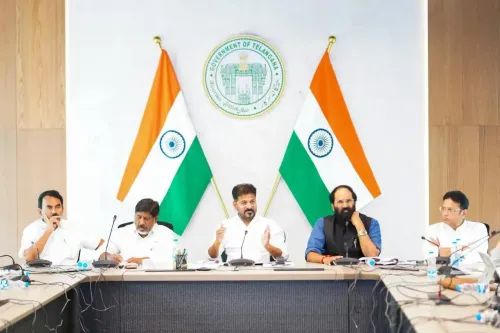
A joint committee of Chief Secretaries and Water Resources Secretaries from both states will study submergence, wildlife sanctuary impact, and additional land requirements.
Maharashtra will conduct a separate independent examination in parallel, as earlier submergence figures were found to have exceeded original estimates after a previous approval.
Water allocation and statutory clearances remain under the Central Water Commission ; Maharashtra will present its fact-based findings when formally sought.
Telangana Minister Uttam Kumar Reddy was present at the meeting, signalling Hyderabad's political investment in the project's progress.
The outcome hinges on whether joint committee submergence data aligns with or exceeds Telangana's projections — the figure that will shape any CWC proceeding.
A cross-state irrigation dispute landed in Mumbai on Monday, 26 October 2026, when Maharashtra Chief Minister Devendra Fadnavis chaired a high-level meeting with a delegation led by Telangana Chief Minister Revanth Reddy over the contentious proposal to raise the height of the Tummidihatti Barrage on the Godavari river — a move that Maharashtra says could submerge far more of its territory than previously accounted for.
What Telangana Wants — and Why Maharashtra Is Cautious
Telangana has sought Maharashtra's support to increase the height of the Tummidihatti irrigation project, which would boost water storage and irrigated area downstream. But Maharashtra's hesitation is rooted in hard numbers: the actual submergence area following an earlier approval was found to exceed earlier estimates, raising alarms about how much additional land, wildlife habitat, and human settlement could go under water if the height is raised further.
Fadnavis made clear at the meeting that the approach will be 'constructive and cooperative' — sahakar aur samvad — but that Maharashtra's interests are non-negotiable. 'Maharashtra has always favoured resolving issues with neighbouring states through mutual cooperation,' he said, 'provided Maharashtra's interests are safeguarded.'
The Joint Committee: Scope and What It Will Study
The two states agreed to constitute a joint committee comprising the Chief Secretaries and Secretaries of the Water Resources Departments of both Maharashtra and Telangana. The panel has a tightly defined mandate: assess the technical aspects of the height increase, map the new submergence zone, evaluate the impact on a concerned wildlife sanctuary, and calculate additional land requirements.
Critically, Maharashtra will also conduct its own independent examination in parallel — a signal that it is not content to rely solely on Telangana's projections. Any concerns raised by Telangana will be discussed jointly, with expert opinions sought where needed. The committee's findings will then feed into Maharashtra's formal, fact-based presentation to the Central Water Commission (CWC), the statutory body that handles water allocation and inter-state clearances.
Godavari Basin Politics and the CWC's Role
Inter-state disputes over the Godavari basin have a long institutional history, stretching back to the Godavari Water Disputes Tribunal of 1969. Since Telangana's formation in 2014, the two states have had to negotiate a fresh layer of water-sharing arrangements, with bilateral joint committees becoming the standard first-response mechanism before escalating to the CWC or courts.
The Mumbai meeting follows that established playbook — but the scale of the submergence overrun from the previous approval adds urgency. Telangana Minister Uttam Kumar Reddy was present alongside other dignitaries, underlining the political weight Hyderabad attaches to the project's progress.
What Comes Next: The Report and the CWC Submission
The timeline now hinges on the joint committee completing its technical study — covering submergence mapping, wildlife sanctuary impact, and land acquisition estimates. Once Maharashtra concludes its independent assessment, it will present findings to the Central Water Commission when formally sought. Further decisions on statutory clearances and water allocation will follow those technical discussions.
The critical watch is whether the committee's submergence numbers come in higher or lower than Telangana's projections. That single figure will determine how much leverage — and how many objections — Maharashtra carries into any CWC proceeding.
Point of View
Insulating the state from charges of obstructionism. By insisting on a parallel independent study alongside the joint committee, Maharashtra retains the right to contest Telangana's projections at the Central Water Commission. This dual-track approach — bilateral committee plus unilateral review — has become the standard BJP playbook on inter-state river disputes since 2014, ensuring states can cooperate without ceding evidentiary ground. The broader signal is that the Godavari basin's post-bifurcation water architecture is still being built, one barrage at a time.
NationPress
26 Oct 2026
Frequently Asked Questions
What is the Tummidihatti Barrage and why is it controversial?
The Tummidihatti Barrage is an irrigation project on the Godavari river being developed by Telangana. It is controversial because Telangana's proposal to increase the barrage's height would submerge additional areas in Maharashtra — and the submergence already exceeded earlier estimates after a previous approval, prompting Maharashtra to demand a fresh independent assessment.
What did the Mumbai meeting between Fadnavis and Revanth Reddy decide?
The meeting decided to form a joint committee of Chief Secretaries and Water Resources Department Secretaries from both states to study submergence, wildlife, and land impacts. Maharashtra also committed to an independent study. Final decisions will follow a fact-based presentation to the Central Water Commission.
What role does the Central Water Commission play in this dispute?
The Central Water Commission is the statutory central body responsible for water allocation and statutory clearances for inter-state river projects. Maharashtra will present its assessment to the CWC when formally sought, and further approvals for the barrage height increase must go through this body.
How do Maharashtra and Telangana historically resolve Godavari water disputes?
Inter-state Godavari disputes have been handled since 1969 through the Godavari Water Disputes Tribunal and subsequent bilateral mechanisms. Since Telangana's formation in 2014, joint technical committees have become the standard first step before escalating matters to the Central Water Commission or judicial forums.
Who is Uttam Kumar Reddy and why was he at the Mumbai meeting?
Uttam Kumar Reddy is a Telangana Minister who was part of the delegation accompanying CM Revanth Reddy to the Mumbai meeting, representing Telangana's political stake in securing Maharashtra's cooperation for the Tummidihatti project.