Fadnavis backs Telangana on Thummidihetty project, orders joint review
Synopsis
Maharashtra CM Devendra Fadnavis has agreed to a cooperative technical review of Telangana's bid to raise the Thummidihetty barrage height from 148m to 152m — but with conditions. A joint committee of both states' top officials will assess submergence risks before any concurrence is given, reflecting a cautious but constructive approach to a sensitive inter-state water dispute.
Key Takeaways
Maharashtra CM Devendra Fadnavis ordered an independent technical review of Telangana 's proposal to raise the Thummidihetty project height from 148 metres to 152 metres .
A joint committee of Chief Secretaries and Irrigation Secretaries of both states will evaluate submergence impact, wildlife sanctuary inclusion, and non-riverbed land requirements.
The 152-metre height option would submerge approximately 2,300 acres ; a lower option of 150 metres is also under discussion to reduce land loss in Maharashtra.
The project is designed to irrigate around 2,00,000 acres in drought-prone areas of the erstwhile Adilabad district , Telangana.
Final decisions will be made only after the review is complete and Maharashtra submits its findings to the Central Water Commission (CWC) .
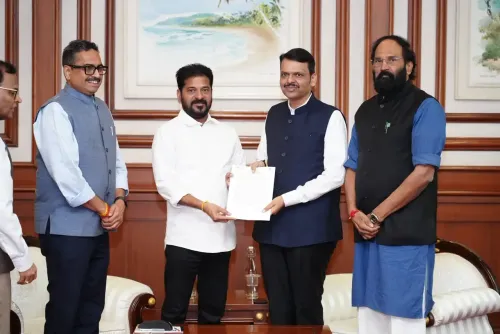
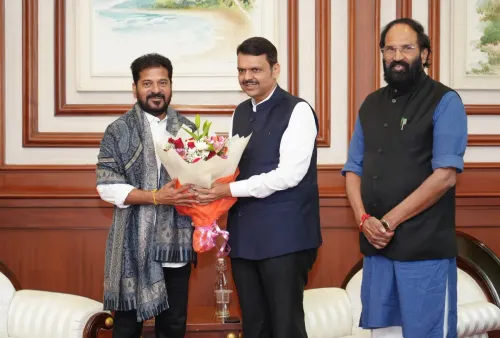
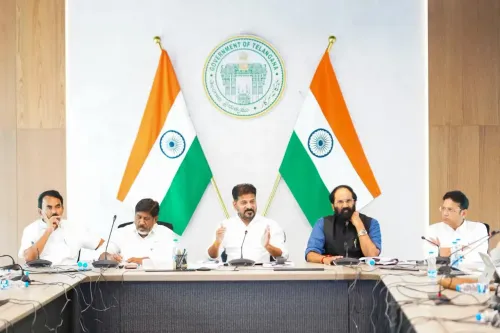
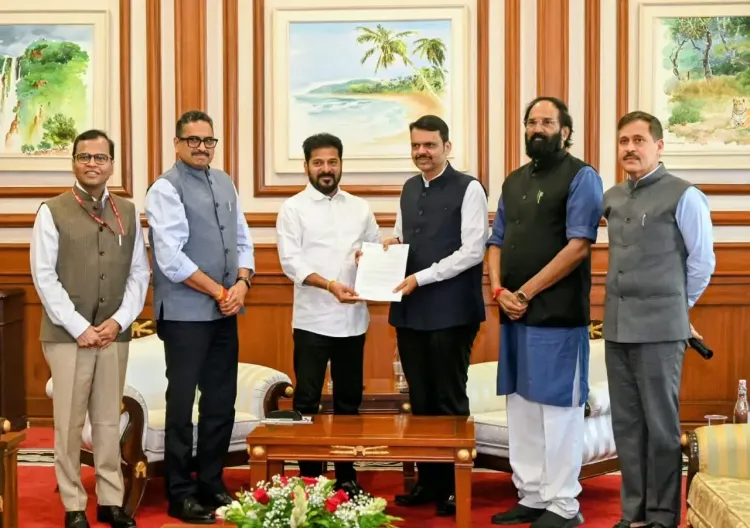
Maharashtra Chief Minister Devendra Fadnavis on Monday, 26 October 2025, announced that Maharashtra will carry out an independent technical assessment of Telangana's proposal to raise the height of the Thummidihetty irrigation project from 148 metres to 152 metres, signalling a cooperative but cautious stance on the inter-state water dispute. The assurance followed a high-level delegation meeting in Mumbai, where Telangana Chief Minister A Revanth Reddy and Irrigation Minister Uttam Kumar Reddy formally sought Maharashtra's concurrence for the height increase.
What the Meeting Decided
Chief Minister Fadnavis underscored Maharashtra's history of resolving inter-state issues through dialogue, affirming that the state holds a positive stance on assisting Telangana — provided the changes cause no harm to Maharashtra's residents. He noted, however, that previous approvals on similar projects had revealed that actual submergence areas exceeded initial projections, making an independent review essential before any concurrence is given.
To that end, both states have agreed to constitute a joint committee comprising the Chief Secretaries and Irrigation Secretaries of Maharashtra and Telangana to undertake a thorough technical evaluation. The committee will examine the impact of the relocated project sites on submergence areas, the extent of non-riverbed land required, and the inclusion of relevant wildlife sanctuaries in the affected zone.
The Thummidihetty Project: Background
The Tummidihetti project was originally a key component of the Dr B R Ambedkar Pranahita-Chevella project. It is located on the Pranahita River — a tributary of the Godavari — at Tummidihetti village in Koutala mandal, Kumram Bheem Asifabad district (formerly Adilabad district) of Telangana. The project is designed to irrigate approximately 2,00,000 acres of drought-prone land across the erstwhile Adilabad district by harnessing and lifting water from the Pranahita.
Telangana is pushing for a barrage height of 152 metres, which would result in approximately 2,300 acres of potential submergence, to maximise water utilisation and gravity flow. Discussions are also ongoing about a lower structural option of 150 metres, which would reduce land submergence in neighbouring Maharashtra.
Role of the Central Water Commission
Chief Minister Fadnavis clarified that matters concerning water allocation and statutory clearances fall within the purview of the Central Water Commission (CWC). Maharashtra will formally submit its position — grounded in factual findings from the joint technical review — once the CWC seeks the state's feedback. Final decisions on the project will proceed only after the independent review and subsequent inter-state discussions are concluded.
Any technical objections or discrepancies raised by Telangana regarding Maharashtra's study will be reviewed jointly by officials from both states, with expert consultations brought in where necessary, according to the agreed framework.
Officials Present at the Meeting
The high-level meeting was attended in person and via video conferencing by Maharashtra Water Resources Minister Girish Mahajan, Maharashtra Chief Secretary Rajesh Agarwal, Telangana Chief Secretary Sanjai Jaju, Additional Chief Secretary to the Chief Minister Lokesh Chandra, Principal Secretary Srikar Pardeshi, Water Resources Department Principal Secretary Eknath Davle, and Secretaries Jayant Borkar and Prakash Misal, alongside other senior officials from both states.
With the joint committee framework now in place, both states are expected to begin the technical evaluation process in the coming weeks, setting the stage for a final position to be submitted to the CWC.
Point of View
The joint committee mechanism buys both states time for technical due diligence, but also creates a forum for disputes to surface formally. Historically, Godavari basin water-sharing arrangements have been contentious; the outcome here could set a precedent for how newer Telangana projects interact with Maharashtra's downstream and submergence concerns.
NationPress
26 Oct 2026
Frequently Asked Questions
What is the Thummidihetty irrigation project?
The Thummidihetty (also spelled Tummidihetti) project is a Telangana irrigation scheme on the Pranahita River, a Godavari tributary, located in Kumram Bheem Asifabad district. Originally part of the Dr B R Ambedkar Pranahita-Chevella project, it is designed to irrigate approximately 2,00,000 acres of drought-prone land in the erstwhile Adilabad district.
Why is Telangana requesting a height increase for the project?
Telangana wants to raise the barrage height from 148 metres to 152 metres to maximise water utilisation and enable gravity flow for irrigation. The higher structure would, however, result in approximately 2,300 acres of potential submergence, some of which falls in Maharashtra.
What did Maharashtra agree to at the meeting?
Maharashtra agreed to form a joint committee comprising the Chief Secretaries and Irrigation Secretaries of both states to conduct a thorough technical evaluation of the submergence impact, wildlife sanctuary inclusion, and non-riverbed land requirements. No formal concurrence was given at this stage.
What role does the Central Water Commission play?
The Central Water Commission (CWC) is the statutory body responsible for water allocation and clearances on inter-state river projects. Maharashtra has said it will submit its position — based on the joint technical review's findings — once the CWC formally seeks the state's feedback.
What is the lower alternative being considered?
A barrage height of 150 metres is being discussed as an alternative to the 152-metre proposal. The lower option would reduce land submergence in Maharashtra, though it would also limit the gravity-flow and water-utilisation benefits Telangana is seeking.