Tummidihatti Barrage: Maharashtra CM Fadnavis open to Telangana's 152m height request
Synopsis
In a significant diplomatic breakthrough, Maharashtra CM Devendra Fadnavis has agreed to revisit Telangana's long-pending request to raise the Tummidihatti Barrage height from 148 metres to 152 metres. A joint inter-state committee is now proposed, with Telangana also offering to compensate Maharashtra farmers for submerged land — a move that signals real political will to resolve a decade-old inter-state water dispute.
Key Takeaways
Maharashtra CM Devendra Fadnavis expressed willingness to reconsider Telangana's request to build the Tummidihatti Barrage at 152 metres on the Pranahita River .
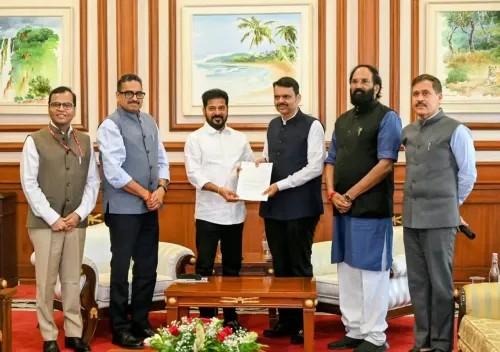
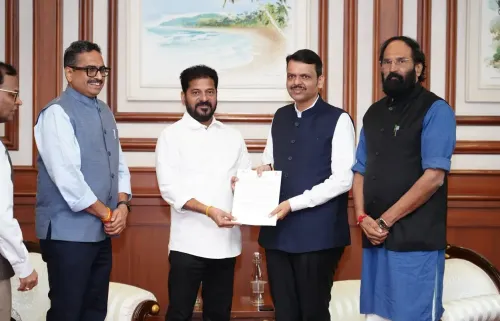
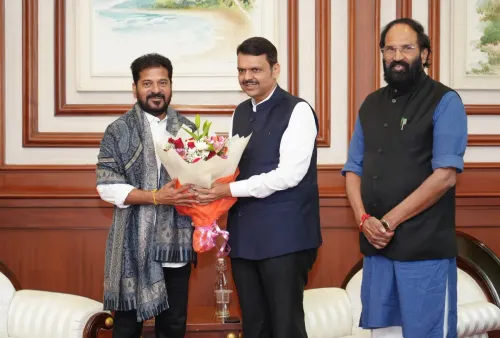
A Telangana delegation led by CM Revanth Reddy met Fadnavis in Mumbai on 26 October 2026 .
The existing 2016 agreement set the barrage height at 148 metres , which Telangana says is insufficient for regional irrigation needs.
Fadnavis proposed a joint committee headed by Principal Secretaries of both states' Irrigation Departments to examine technical, environmental, and compensation aspects.
Telangana offered to compensate Maharashtra farmers for agricultural land affected by submergence under Maharashtra's own compensation guidelines.
CM Revanth Reddy invited Fadnavis to the Invest Telangana Global Summit scheduled for 7–9 December at Future City, Hyderabad .
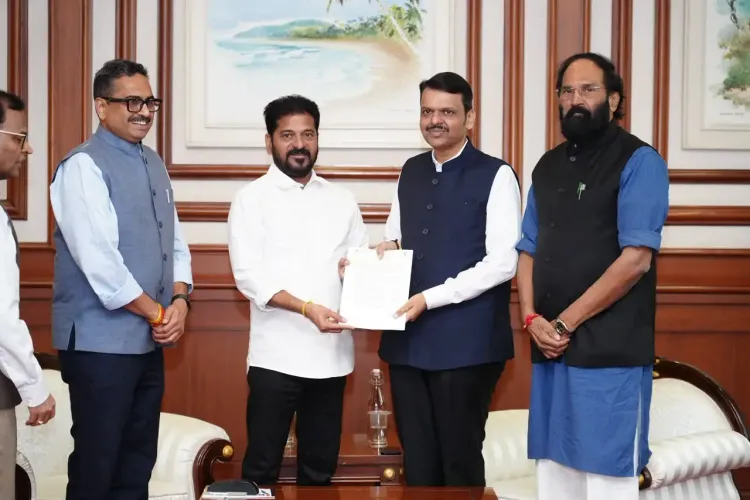
Maharashtra Chief Minister Devendra Fadnavis has expressed willingness to reconsider Telangana's request for approval to construct the Tummidihatti Barrage at a height of 152 metres across the Pranahita River on the Telangana–Maharashtra border, according to the Telangana Chief Minister's Office on Monday, 26 October 2026. The development follows a high-level inter-state delegation meeting in Mumbai, where technical, environmental, and administrative dimensions of the project were formally placed before Fadnavis.
What Was Discussed at the Mumbai Meeting
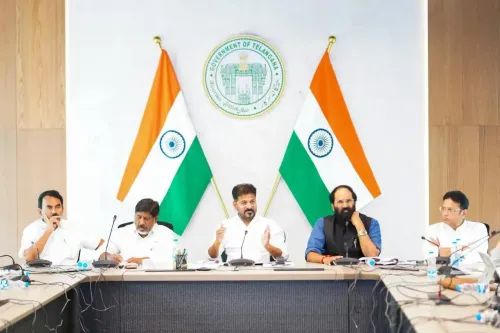
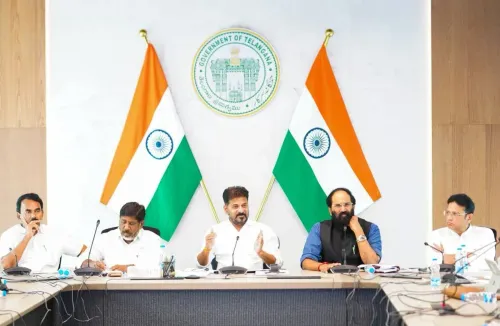
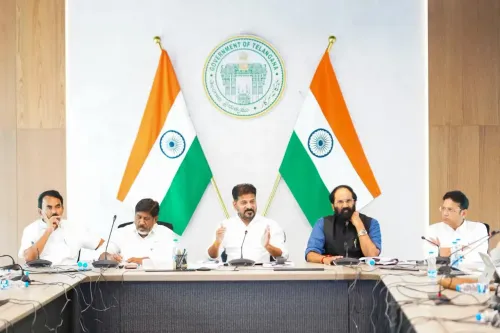
A Telangana delegation led by Chief Minister Revanth Reddy met Fadnavis in Mumbai to discuss the construction of the barrage, including the proposed increase in height, water availability, submergence implications, and related technical aspects. Telangana Irrigation Minister N. Uttam Kumar Reddy, the Chief Secretaries of both states, and senior officials from both Irrigation Departments participated in the discussions.
Uttam Kumar Reddy made a detailed presentation underscoring the historical significance, cultural heritage, and economic backwardness of the erstwhile Adilabad district. He argued that the 2016 agreement, which set the barrage height at 148 metres, would fall short of meeting the irrigation requirements of the region.
Why Telangana Wants a Higher Barrage
The minister elaborated that current challenges — including energy costs, environmental concerns, climate change, and long-term operational sustainability — make it essential to maximise the use of gravity for water conveyance. He presented the technical case for a 152-metre barrage as the most viable solution for the region's water needs.
Notably, Telangana has also offered to compensate farmers in Maharashtra for agricultural land affected by submergence, in accordance with Maharashtra's own land acquisition guidelines and compensation policies — a significant gesture aimed at reducing inter-state friction over the project.
Maharashtra's Conditions and the Joint Committee Proposal
While Fadnavis responded positively, he emphasised that several technical, environmental, and administrative steps would need to be completed before any final decision. He stated that if the project did not adversely affect Maharashtra or its people, his government would have 'no hesitation' in supporting Telangana's water requirements, invoking the 'larger spirit of national interest.'
To take the process forward, Fadnavis proposed the constitution of a joint committee of officials headed by the Principal Secretaries of the Irrigation Departments of both states. This committee would examine the proposed height, water availability, submergence extent, affected agricultural lands, compensation requirements, and alternative approaches where necessary. A clear timeline and roadmap are expected to be prepared by technical experts from both sides.
Broader Cooperation and Investment Summit Invitation
Chief Minister Revanth Reddy framed the proposed barrage as more than a water project, describing it as a potential 'physical bridge' strengthening connectivity and economic cooperation between communities on both sides of the border. During the meeting, Reddy also invited Fadnavis to attend the Invest Telangana Global Summit, scheduled for 7, 8, and 9 December at Future City in Hyderabad.
The two states are now expected to work out subsequent meetings, technical consultations, and the broader roadmap through their respective officials and experts. The formation and first meeting of the joint committee will be closely watched as an indicator of how swiftly the proposal can progress from political goodwill to actionable outcomes.
Frequently Asked Questions
What is the Tummidihatti Barrage and why is it contested?
The Tummidihatti Barrage is a proposed water storage structure across the Pranahita River on the Telangana–Maharashtra border. Telangana wants to build it at a height of 152 metres to meet irrigation needs in the historically backward Adilabad region, but the existing 2016 inter-state agreement only provides for a height of 148 metres, requiring Maharashtra's fresh consent for the increase.
Why does Telangana want to raise the barrage height from 148 to 152 metres?
Telangana argues that a 148-metre barrage will not adequately address the irrigation requirements of the erstwhile Adilabad district. Irrigation Minister Uttam Kumar Reddy presented technical reasons — including energy costs, climate change, and long-term sustainability — for why maximising gravity-based water conveyance at 152 metres is the most viable solution.
What did Maharashtra CM Devendra Fadnavis agree to?
Fadnavis expressed willingness to revisit Telangana's request and proposed constituting a joint committee of officials from both states, headed by their respective Principal Secretaries (Irrigation), to examine the proposed height, submergence impact, land compensation, and other technical matters. He stopped short of giving final approval, saying several technical and environmental steps must be completed first.
How will farmers in Maharashtra be protected if the barrage submerges agricultural land?
Telangana has offered to compensate affected Maharashtra farmers in accordance with the land acquisition guidelines and compensation policies applicable in Maharashtra itself, a concession Telangana made to reduce inter-state resistance to the project.
What are the next steps after the Mumbai meeting?
A joint committee of officials from both states will be constituted to prepare a clear timeline and roadmap. Technical experts and officials will then hold subsequent consultations. The committee's findings will inform any final decision on whether Maharashtra approves the revised barrage height.