CM Majhi Champions Subhadra Yojana as Odisha's Women Rise
Synopsis
Odisha Chief Minister Mohan Charan Majhi championed the Subhadra Yojana on 26 October 2026, describing the ₹50,000 five-year direct cash transfer for women as a 'historic campaign' for dignity and self-reliance — a flagship BJP promise now framed as a grassroots movement.
Key Takeaways
Odisha CM Mohan Charan Majhi posted a detailed defence and celebration of the Subhadra Yojana on 26 October 2026 .
The scheme provides eligible women ₹10,000 annually , totalling ₹50,000 over five years , as a direct cash transfer.
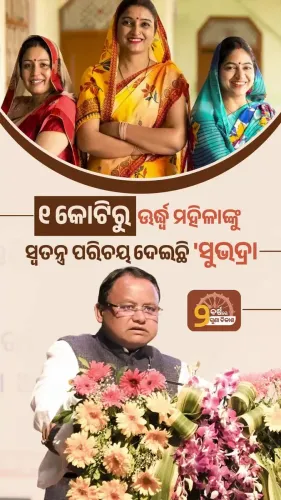
Majhi framed the scheme as 'no ordinary government grant' but a 'historic campaign' for over one crore women's self-respect and financial freedom.
The scheme was a BJP manifesto promise ahead of the 2024 Odisha assembly elections , after which the party formed the state's first BJP government.
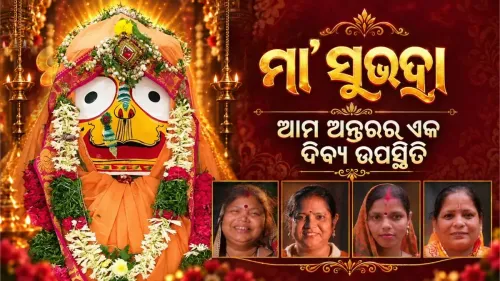
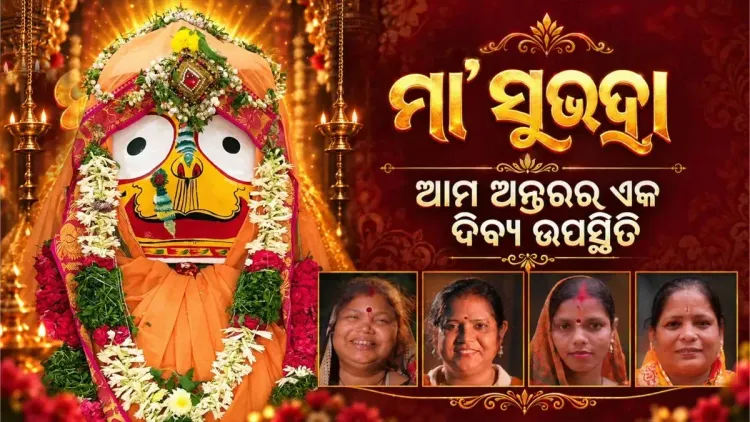
CM Majhi invoked the name of Maa Subhadra — a revered figure in Odia spiritual tradition — to anchor the scheme's cultural identity.
Odisha's scheme is part of a broader national pattern of state-level direct cash transfers targeting women's economic participation.
A scheme that began as an election promise is now, according to Odisha Chief Minister Mohan Charan Majhi, reshaping the daily lives of women across the state — and on Monday, 26 October 2026, he made that case in his own words, invoking the divine spirit of Maa Subhadra as the moral foundation of his government's flagship welfare drive.
What Subhadra Yojana promises — and delivers
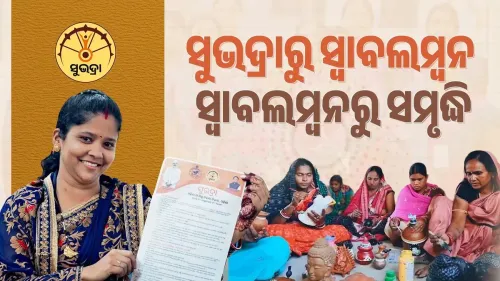
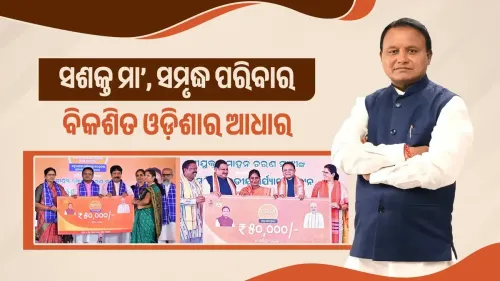
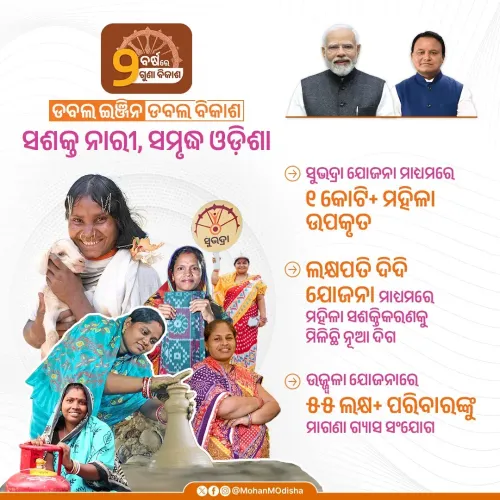
At its core, the Subhadra Yojana is a direct cash-transfer scheme: eligible women in Odisha receive ₹10,000 annually, accumulating to ₹50,000 over five years. The design is deliberate — annual tranches rather than a lump sum, meant to sustain financial autonomy over time rather than offer a one-off relief. CM Majhi was explicit that this is not routine government dole: 'Subhadra yojana kounsui sadharan sarkari anudan nuhen' — 'Subhadra Yojana is no ordinary government grant' — but rather, in his framing, 'a historic campaign for the self-respect and freedom of over a crore mothers.'
The scheme was a centrepiece of the BJP's 2024 Odisha assembly election manifesto, and its rollout is central to the party's post-victory narrative. The BJP won the 2024 Odisha elections, forming the state's first saffron government, with Majhi taking office in June 2024. Subhadra Yojana is among the most visible commitments his government has had to honour — and is now being presented as proof of delivery.
Names behind the numbers: Kukumina, Tapaswini, and the women of Odisha
Majhi did not traffic in abstractions. He named women — Kukumina, Tapaswini, Sagarika, Laxmipriya, Prabhati, and Suchitra — citing their stories as the truest measure of the scheme's success. 'The spark of confidence visible today in the eyes of countless mothers like these is the greatest achievement of my resolve,' he wrote. These names give human texture to what might otherwise read as policy arithmetic.
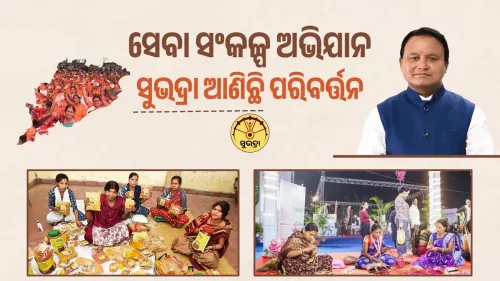
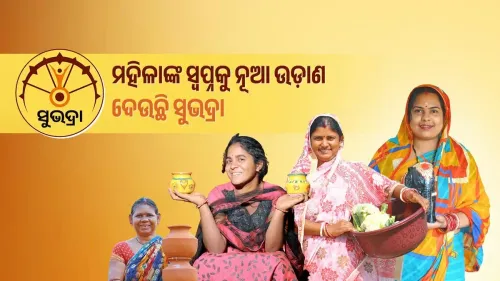
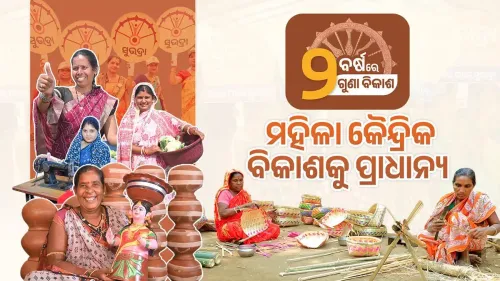
The broader picture he sketched is of a grassroots movement: women 'standing on their own feet, becoming the strength of their families, and taking their own decisions' — a shift that he argued has become 'a mahaaandolan' (great movement) household by household across the state.
Where Odisha's scheme fits in India's welfare landscape
Odisha's Subhadra Yojana is part of a wider pattern playing out across Indian states, where direct cash transfers targeted at women have become a primary mode of welfare delivery and a potent tool of political consolidation. States from Madhya Pradesh to Karnataka have rolled out similar women-focused income-support programmes in recent years, each framed around dignity and self-reliance rather than charity. The language is strikingly consistent: financial independence as the pathway to broader social agency.
What distinguishes the Subhadra framing is its invocation of Odia cultural identity — Maa Subhadra, sister of Lord Jagannath, is among the most revered figures in the state's spiritual fabric. Anchoring a welfare scheme to that symbolism is a deliberate act of political and cultural communication, tying economic entitlement to something far older than any government programme.
With scheme enrollment figures, budget allocations, and independent assessments of disbursement still evolving, the full impact of Subhadra Yojana on Odisha's female economic participation will sharpen over the coming legislative sessions. But as of today, the Chief Minister is telling his story — and the women he names are the evidence he is staking his credibility on.
Point of View
Converting a welfare line item into a cultural and political identity statement by invoking Maa Subhadra and naming individual beneficiaries. It signals that the BJP's Odisha government intends to make women's economic empowerment its most visible electoral asset heading into the scheme's mid-life review. The choice to frame ₹10,000 per year not as 'assistance' but as 'self-respect and freedom' mirrors the rhetorical architecture of similar schemes across BJP-governed states — where the emphasis on dignity over dependency is as much about political brand-building as policy design. Whether the scheme's enrollment and disbursement data ultimately match the ambition of the messaging will be the harder, more consequential story.
NationPress
26 Oct 2026
Frequently Asked Questions
What is Subhadra Yojana in Odisha?
Subhadra Yojana is an Odisha government direct cash-transfer scheme that provides eligible women ₹10,000 per year — ₹50,000 in total over five years — to support financial independence. It was a BJP manifesto promise for the 2024 Odisha assembly elections.
Who is eligible for Subhadra Yojana?
The scheme targets women in Odisha, though specific eligibility criteria — including age, income, and residency requirements — are governed by state government guidelines and subject to ongoing verification processes.
How much money do women get under Subhadra Yojana?
Eligible women receive ₹10,000 annually under Subhadra Yojana, totalling ₹50,000 over five years through direct bank transfers.
When did Mohan Charan Majhi become Chief Minister of Odisha?
Mohan Charan Majhi became Chief Minister of Odisha in June 2024 after the BJP won the state assembly elections, forming Odisha's first BJP government.
Why is the scheme named 'Subhadra'?
The scheme is named after Maa Subhadra , the sister of Lord Jagannath and one of the most revered figures in Odia cultural and spiritual tradition. The naming anchors the welfare programme to Odia identity and pride.