CM Bhagwant Mann releases ₹17.5 Cr at Valmiki Jayanti event in Amritsar
Synopsis
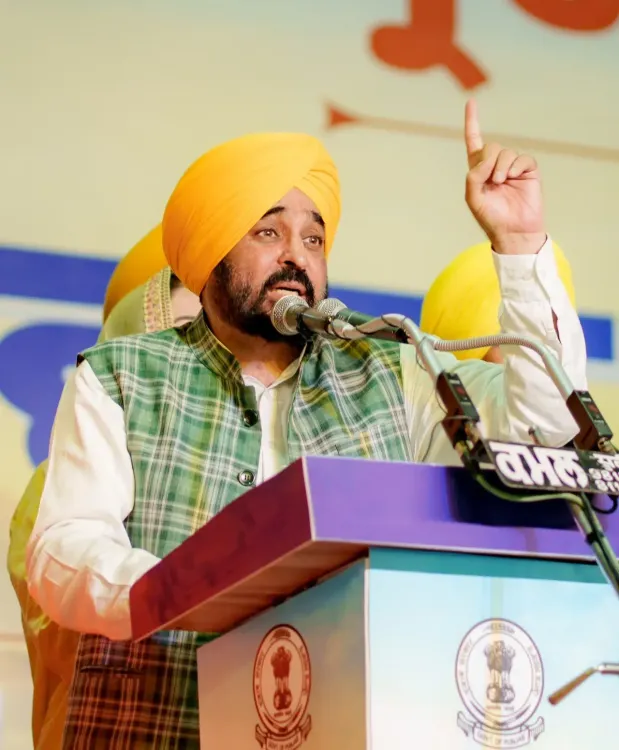
Punjab CM Bhagwant Mann attended a state-level Valmiki Jayanti ceremony in Amritsar on October 26, releasing ₹17.5 crore for the Valmiki institution. He also declared that religious bodies must be led by spiritual figures, not politicians, and invoked Punjab's tradition of rejecting hatred.
Key Takeaways
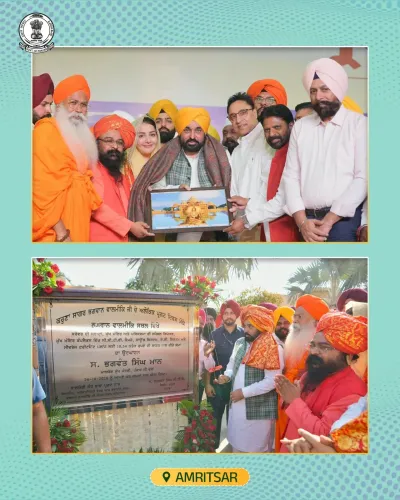
Punjab CM Bhagwant Mann attended the state-level Maharishi Valmiki Prakat Divas function in Amritsar on October 26, 2026 .
The state government released ₹17.5 crore for the development of the Valmiki institution at the event.
Mann stated that religious institutions should be managed by 'religious and learned personalities, not politicians.' He invoked Punjab's pluralist identity, saying every seed grows on Punjab's soil except 'the seed of hatred.' The statement adds to recurring debates in Punjab over political influence on the governance of religious bodies.
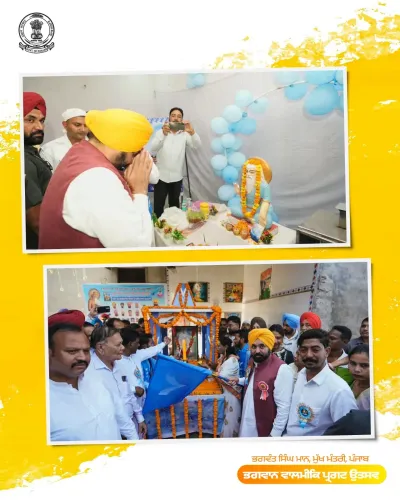
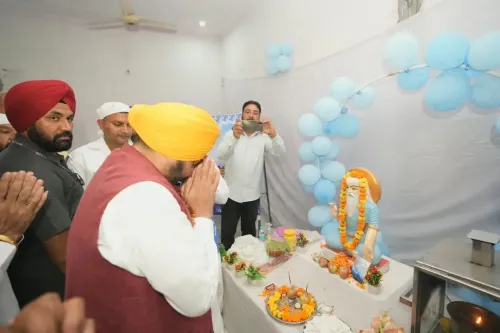
On the sacred occasion of Maharishi Valmiki Jayanti, Punjab Chief Minister Bhagwant Mann paid his respects at a state-level ceremony in Amritsar on Monday, October 26, 2026 — and turned the celebration into a policy statement that cuts right to the heart of religion and governance in Punjab.
The state government released ₹17.5 crore for the development of the Valmiki institution at the event. Sharing the moment on X in Punjabi, Mann wrote: 'ਅੱਜ ਅੰਮ੍ਰਿਤਸਰ ਵਿਖੇ ਮਹਾਰਿਸ਼ੀ ਭਗਵਾਨ ਵਾਲਮੀਕਿ ਜੀ ਦੇ ਪਾਵਨ ਪ੍ਰਗਟ ਦਿਵਸ ਮੌਕੇ' — 'Today I had the privilege of bowing my head at the state-level function held in Amritsar on the sacred Prakat Divas of Maharishi Bhagwan Valmiki Ji.'
₹17.5 crore for Valmiki community development
The grant, announced on the spot, is directed at institutional development for the Valmiki community — one of Punjab's significant socio-religious constituencies. Punjab governments across administrations have periodically issued such grants during community festivals, but the scale and the public announcement at a state-level function signal a deliberate effort to demonstrate active patronage on the community's most important occasion of the year.
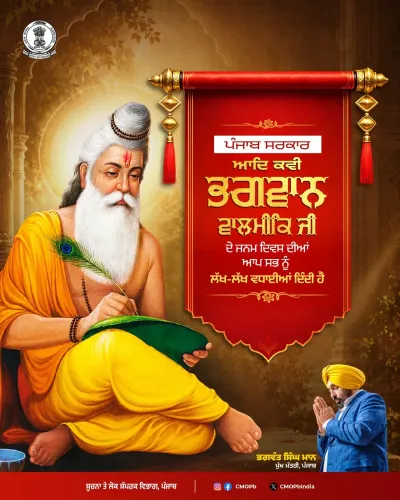
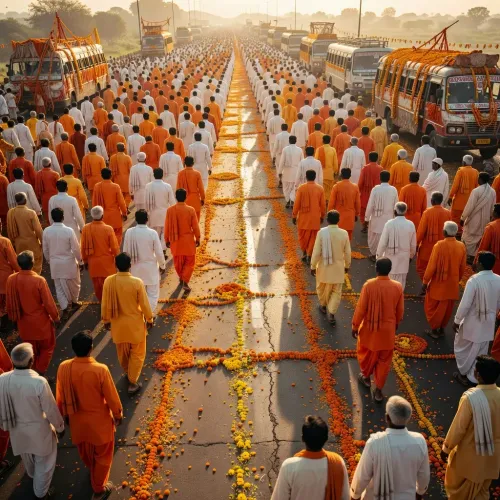
Maharishi Valmiki, the ancient sage traditionally credited with composing the Ramayana, commands deep veneration particularly among the Valmiki community across northern India. His Prakat Divas — the day of his appearance — is observed with processions, prayers, and community gatherings, with Amritsar serving as a natural host city for Punjab's most prominent state-level observances.
Politicians out, spiritual figures in — Mann's governance stand
The more pointed moment came when Mann articulated a governance philosophy with unmistakable clarity: 'ਸਾਡਾ ਸਪੱਸ਼ਟ ਮੰਨਣਾ ਹੈ ਕਿ ਧਾਰਮਿਕ ਸੰਸਥਾਵਾਂ ਦਾ ਪ੍ਰਬੰਧ ਸਿਆਸਤਦਾਨਾਂ ਦੀ ਬਜਾਏ ਧਾਰਮਿਕ ਤੇ ਗੁਣੀ-ਗਿਆਨੀ ਸ਼ਖਸੀਅਤਾਂ ਦੇ ਹੱਥਾਂ 'ਚ ਹੀ ਹੋਣਾ ਚਾਹੀਦਾ ਹੈ' — 'Our clear belief is that the management of religious institutions should remain in the hands of religious and learned personalities, not politicians.'
That sentence lands differently in Punjab, where the governance and autonomy of religious bodies has been a fault line in state politics for decades. By publicly distancing elected office from institutional control of religious bodies, Mann is staking out a position that resonates across the state's multi-faith landscape — and implicitly contrasts with how previous administrations have been perceived on the same question.
'The soil of Punjab never lets hatred take root'
Mann closed with a line that doubles as both poetry and political messaging: 'ਪੰਜਾਬ ਦੀ ਧਰਤੀ 'ਤੇ ਹਰ ਬੀਜ ਉੱਗ ਸਕਦਾ ਹੈ, ਪਰ ਨਫ਼ਰਤ ਦਾ ਬੀਜ ਇੱਥੇ ਕਦੇ ਨਹੀਂ ਉੱਗਦਾ' — 'Every seed can grow on the soil of Punjab, but the seed of hatred never takes root here.'
It is a deliberate invocation of Punjab's syncretic identity — one that carries particular weight when spoken at a ceremony for a community that has historically experienced social marginalisation. The message: inclusion is not policy here, it is soil.
How the ₹17.5 crore grant is utilised, and whether this stated principle of keeping politicians away from religious management translates into structural reform for other institutions, will be the next chapter worth watching.
Point of View
Bhagwant Mann is threading a careful needle — demonstrating state support for the Valmiki community while simultaneously distancing his government from the image of political interference in faith spaces. This posture has direct electoral calculus in Punjab, where the Valmiki community represents a significant voter bloc. The closing metaphor about Punjab's soil rejecting hatred signals that the AAP government in Punjab is actively positioning itself as a guardian of the state's syncretic identity — a frame that could prove useful in a state that has historically been sensitive to communal fault lines.
NationPress
26 Oct 2026
Frequently Asked Questions
What is Maharishi Valmiki Prakat Divas?
Maharishi Valmiki Prakat Divas, also widely observed as Valmiki Jayanti, marks the appearance or birth anniversary of the ancient sage Maharishi Valmiki, who is traditionally credited with composing the Ramayana. It is a major occasion for the Valmiki community, celebrated with state-level ceremonies in Punjab.
How much money did Bhagwant Mann release at the Valmiki Jayanti event in Amritsar?
Punjab Chief Minister Bhagwant Mann released ₹17.5 crore for the development of the Valmiki institution at the state-level Valmiki Jayanti ceremony held in Amritsar on October 26, 2026.
What did Bhagwant Mann say about religious institutions and politicians?
Bhagwant Mann stated that the management of religious institutions should remain in the hands of religious and learned personalities, not politicians — a clear position on keeping elected representatives out of the governance of faith-based bodies.
Why was the Valmiki Jayanti event held in Amritsar?
Amritsar is a major cultural and religious hub in Punjab and regularly hosts significant state-level religious and community observances, making it a natural venue for the government's official Valmiki Jayanti function.
What did Mann mean by 'the seed of hatred never takes root in Punjab'?
Mann used the phrase to invoke Punjab's tradition of pluralism and inter-community harmony, stating that while every seed can grow on Punjab's soil, hatred finds no place there — a message of inclusion directed at the assembled Valmiki community gathering.