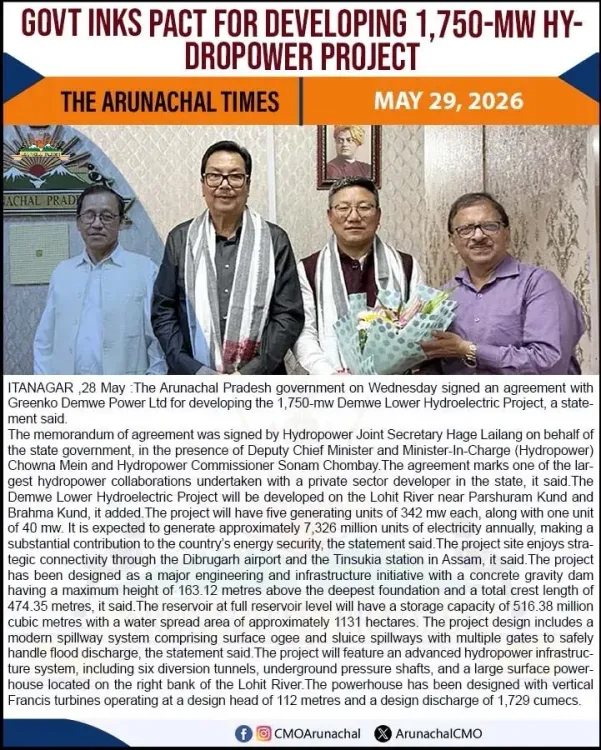
Arunachal DCM Chowna Mein witnesses 1,750 MW Demwe Lower HEP pact
Synopsis
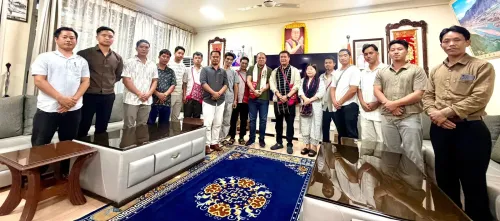
Deputy Chief Minister Chowna Mein of Arunachal Pradesh witnessed the signing of an agreement for the 1,750 MW Demwe Lower Hydroelectric Project on the Lohit river on 29 May 2026, advancing the state's push to harness its vast untapped hydropower potential.
Key Takeaways
Deputy Chief Minister Chowna Mein witnessed the agreement signing for the 1,750 MW Demwe Lower Hydroelectric Project on 29 May 2026 .
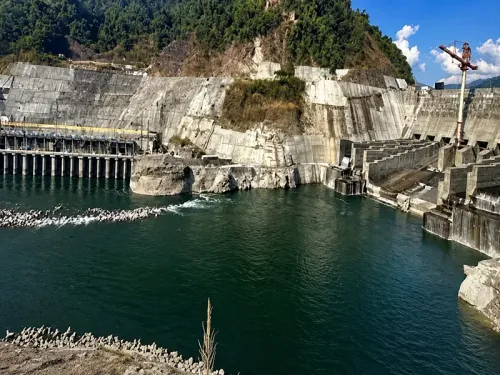
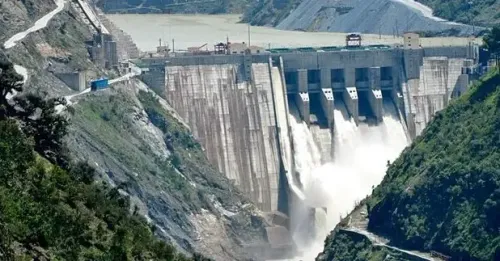
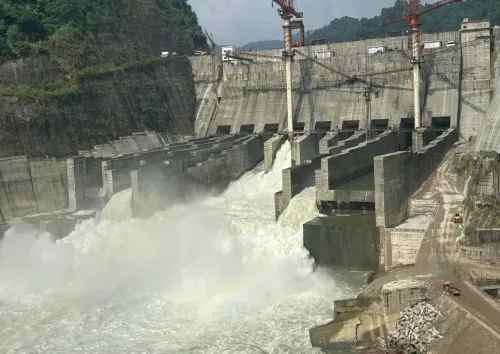
The project is a run-of-river scheme on the Lohit river in Lohit district, Arunachal Pradesh .
Arunachal Pradesh holds an estimated hydropower potential of over 50,000 MW , of which only a fraction has been developed.
The project has roots in hydropower MoUs signed during 2008–2010 and represents a renewed effort to move from agreements to execution.
Key next steps include statutory clearances, land acquisition, and finalisation of power purchase agreements before construction can begin.
The project could significantly boost the state's installed capacity and generate royalty revenues for Arunachal Pradesh .
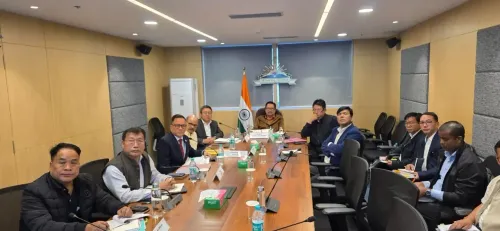
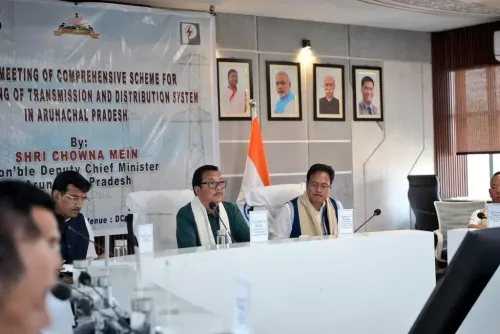
The Chief Minister's Office of Arunachal Pradesh announced on Friday, 29 May 2026 that Deputy Chief Minister Chowna Mein witnessed the signing of a formal agreement for the 1,750 MW Demwe Lower Hydroelectric Project, marking a significant step forward for the state's hydropower ambitions and energy security goals.
Context
The Demwe Lower Hydroelectric Project is a run-of-river scheme proposed on the Lohit river in Arunachal Pradesh's Lohit district. At 1,750 MW, it ranks among the larger hydropower undertakings in the northeastern region and has been on the state's development radar since a wave of hydropower memoranda of understanding were executed between 2008 and 2010. The agreement witnessed by Deputy Chief Minister Mein represents a renewed push to convert those earlier commitments into concrete project execution.
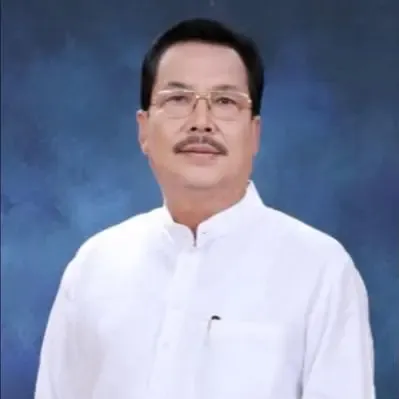
Chowna Mein holds oversight of infrastructure and hydropower development portfolios in the state cabinet, making his presence at the signing a signal of the government's direct political investment in the project's progress.
Policy Backdrop
Arunachal Pradesh is estimated to hold a hydropower potential exceeding 50,000 MW, yet only a small fraction of that capacity has been harnessed to date. The state's river basins — including the Lohit, Siang, Subansiri and Kameng — have long been identified as critical to India's clean-energy transition. Successive central and state governments have prioritised hydropower development in the Northeast to address rising national electricity demand and reduce dependence on thermal sources.
The Demwe Lower project fits squarely within this national push. Run-of-river projects are generally preferred in ecologically sensitive Himalayan terrain because they involve limited reservoir storage, though they still require careful navigation of terrain challenges, environmental clearances, and indigenous land rights typical of the Eastern Himalayas.
Stakeholders and Impact
Local communities in Lohit district, power developers, and state electricity utilities are the primary stakeholders. A project of 1,750 MW has the potential to substantially augment power supply both within Arunachal Pradesh and to buyer states under power purchase agreements, generating royalty revenues that the state government has historically channelled into social infrastructure.
At the same time, communities in project-affected areas will watch land acquisition processes and rehabilitation commitments closely. Environmental groups have previously raised concerns about large hydropower schemes in the biodiversity-rich Eastern Himalayan corridor, and statutory clearances from central agencies will be a key milestone to track.
What's Next
The agreement signing is an early but consequential step. Progress will now hinge on securing statutory clearances — including environmental and forest approvals — alongside land acquisition and the finalisation of power purchase agreements with state utilities. Construction timelines for a project of this scale in high-altitude, seismically active terrain are typically extended, meaning sustained administrative and financial commitment will be essential.
If the Demwe Lower project advances on schedule, it could add meaningfully to Arunachal Pradesh's installed hydropower capacity and reinforce the state's position as a cornerstone of India's northeastern clean-energy strategy.
Point of View
Witnessed personally by Deputy CM Chowna Mein, signals that the Arunachal Pradesh government is treating hydropower development as a political priority, not merely a bureaucratic process. Coming at a time when India is accelerating its renewable energy targets, reviving a long-pending 1,750 MW project on the Lohit fits the broader national imperative to unlock the Northeast's clean-energy potential. However, the gap between agreement signing and actual power generation in Himalayan hydro projects has historically been wide, given clearance bottlenecks and terrain challenges. The real test will be whether this political momentum translates into cleared timelines and funded construction phases within a credible window.
NationPress
26 Sept 2026
Frequently Asked Questions
What is the Demwe Lower Hydroelectric Project?
The Demwe Lower Hydroelectric Project is a proposed 1,750 MW run-of-river hydroelectric scheme on the Lohit river in Lohit district, Arunachal Pradesh, designed to harness the river's flow without large reservoir storage.
How much hydropower potential does Arunachal Pradesh have?
Arunachal Pradesh is estimated to have a hydropower potential exceeding 50,000 MW, making it one of the most resource-rich states in India for clean energy, though only a small fraction has been developed so far.
What happens after a hydropower agreement is signed in India?
After an agreement is signed, a project must obtain statutory clearances including environmental and forest approvals from central agencies, complete land acquisition, and finalise power purchase agreements before construction can begin.
When was the Demwe Lower project first proposed?
The Demwe Lower project has roots in a wave of hydropower memoranda of understanding that Arunachal Pradesh executed between 2008 and 2010 as part of its river-basin development strategy.