Arunachal Pradesh Aims for 19 GW Hydropower Capacity in Upcoming Decade
Synopsis
Arunachal Pradesh, under Deputy CM Chowna Mein, targets to harness its 58,000 MW hydropower potential during the Decade of Hydro Power (2025-2035). This initiative is expected to boost green energy production, attract vast investments, and significantly transform the state's economy.
Key Takeaways
58,000 MW hydropower potential in Arunachal Pradesh.
19 GW capacity goal for the Decade of Hydro Power (2025-2035).
Investment target of Rs 1.9 lakh crore to boost economy.
Significant improvements in education and healthcare.
Focus on border village development for national integration.
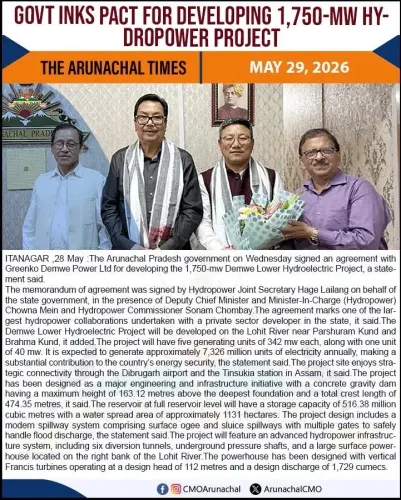
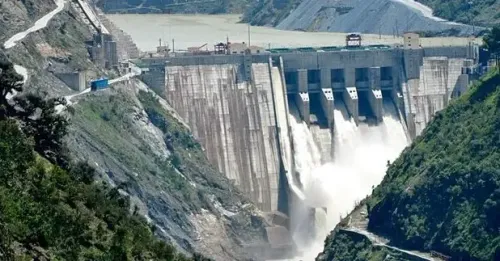
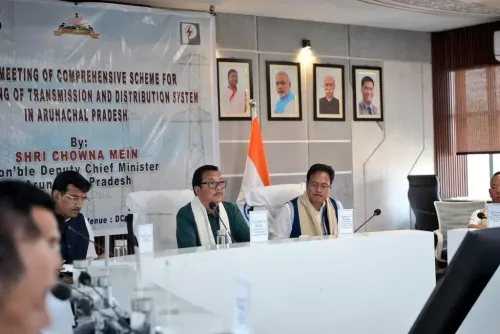
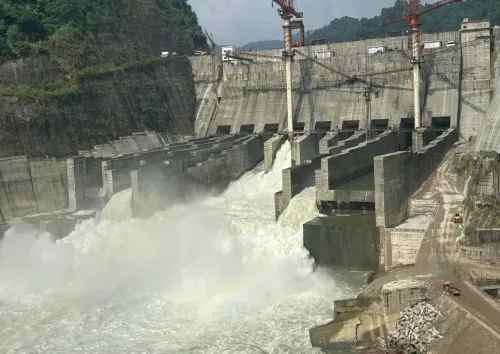
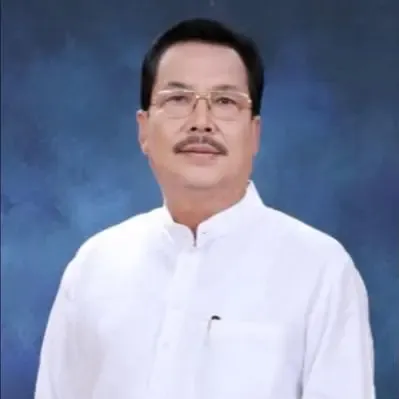
Itanagar, March 10 (NationPress) The Deputy Chief Minister of Arunachal Pradesh, Chowna Mein, announced on Tuesday that the state has the highest hydropower potential in India, estimated at approximately 58,000 MW. The government is determined to leverage this resource to boost green energy production and drive economic growth.
While presenting the budget for 2026-27 in the Assembly, Mein, who is also responsible for the Finance portfolio, declared the years 2025-2035 as the Decade of Hydro Power to facilitate focused advancements in the sector.
During this decade, the state plans to initiate the development of 19 GW of hydropower capacity, aiming to draw in investments close to Rs 1.9 lakh crore, creating job opportunities and fortifying the economy.
In 2023, with the backing of the Central government, the state revitalized 13 significant hydroelectric projects that had been inactive for years.
During his visit to Itanagar, Prime Minister Narendra Modi laid the foundation stones for the Heo and Tato-I hydropower projects, further enhancing the state's energy strategy.
Mein projected the total receipts for 2026-27 to be Rs 36,607 crore, which includes Rs 30,733 crore in revenue receipts and Rs 5,873 crore in capital receipts.
The fiscal deficit is anticipated to be Rs 701 crore, about 1.7 percent of the Gross State Domestic Product (GSDP), remaining within the limits set by the fiscal responsibility framework.
Reflecting on economic advancements, Mein highlighted that in the past decade, the GSDP of Arunachal Pradesh surged by nearly 135 percent, with the state budget increasing by over 226 percent and per capita income more than doubling.
The state’s own resources have risen by over 460 percent, showcasing a stronger fiscal standing. The GSDP is estimated at Rs 41,314 crore at current prices, as reported by the Union Ministry of Finance.
Mein noted that central taxes constitute the largest revenue source. For 2025-26, the expected share is Rs 24,475 crore in revised estimates, while it is projected to be Rs 20,665 crore for 2026-27.
Although this share is predicted to decrease following the recommendations of the 16th Finance Commission, Mein is optimistic that growth in the national economy will enhance the overall tax pool.
In education, he stated that teacher postings, according to norms, have escalated from 24 percent in 2016 to almost 90 percent today, improving learning outcomes in government schools. The dropout rate has fallen from 9 percent to 7.6 percent, with pre-primary classes expanding from 3 percent to 28.5 percent.
In healthcare, institutional deliveries have increased from 52.5 percent to over 79 percent, while infant mortality decreased from 22.9 to 12.9, and under-five mortality fell from 32.9 to 18.8.
Mein also emphasized enhanced connectivity, noting that the new terminal building at Donyi Polo Airport, inaugurated in September 2025, has bolstered aviation links, offering daily flights to New Delhi and Kolkata, along with civil cargo services.
Border development has accelerated under the Vibrant Villages Programme. Out of 1,452 border villages, 455 along the Tibet border and 122 along the Bhutan and Myanmar borders have been earmarked for comprehensive development. Additionally, 32 strategically vital infrastructure projects have been completed in border districts.
Mein asserted that the classification of border villages as 'India’s first villages' signifies not just a change in terminology but a substantial shift in the nation’s approach to frontier development and national integration.
Point of View
Arunachal Pradesh's commitment to harnessing its hydropower potential marks a significant step towards sustainable energy generation and economic development. The targeted investments and infrastructure improvements demonstrate a proactive approach to both regional growth and national energy needs.
NationPress
29 Sept 2026
Frequently Asked Questions
What is the hydropower potential of Arunachal Pradesh?
Arunachal Pradesh has an estimated hydropower potential of around 58,000 MW, making it the state with the largest potential in India.
What is the Decade of Hydro Power?
The Decade of Hydro Power is a designated period from 2025 to 2035 aimed at focused development of hydropower in Arunachal Pradesh, during which 19 GW of capacity is planned to be commissioned.
How much investment is expected in the hydropower sector?
The government aims to attract investments of nearly Rs 1.9 lakh crore in the hydropower sector during the Decade of Hydro Power.
What improvements have been made in education in Arunachal Pradesh?
Teacher postings have increased from 24% in 2016 to nearly 90% today, and dropout rates have declined from 9% to 7.6%.
How has healthcare improved in Arunachal Pradesh?
Institutional deliveries rose from 52.5% to over 79%, and infant mortality has declined significantly from 22.9 to 12.9.