Siang hydropower project: Arunachal Dy CM Chowna Mein backs dialogue amid protests
Synopsis
With protests refusing to die down over a dam that critics say could submerge 27 villages, Arunachal Pradesh's Deputy CM Chowna Mein has once again called for dialogue — but the government's repeated consultation pledges have yet to translate into a concrete resolution, leaving India's most ambitious northeastern hydropower project at a political crossroads.
Key Takeaways
Arunachal Pradesh Deputy Chief Minister Chowna Mein on 30 October reaffirmed the state government's readiness for dialogue on the Siang Upper Multipurpose Project (SUMP) .
The proposed SUMP is expected to generate 11,200 MW of electricity, making it one of India's largest hydropower projects.
Congress President Bosiram Siram claimed the dam could submerge 27 villages , a key concern driving local opposition.
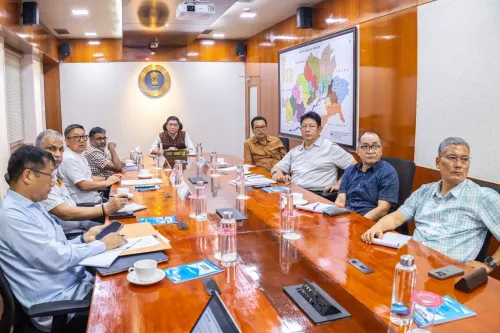
Chief Minister Pema Khandu had earlier held an all-party legislators' meeting and separate consultations with the Arunachal Indigenous Tribes Forum (AITF) and community organisations.
Khandu, in posts on X, said priorities include protecting national interests while respecting the rights and aspirations of people in Siang Valley .
Opposition protests continue despite government assurances of transparency and public consultation.
Amid mounting protests against the proposed Siang Upper Multipurpose Project (SUMP), Arunachal Pradesh Deputy Chief Minister Chowna Mein on Friday, 30 October reiterated that the state government remains fully open to dialogue with all stakeholders — including community organisations, student bodies, civil society groups, and individuals — who have raised concerns over the 11,200 MW mega hydropower initiative.
What Mein Said
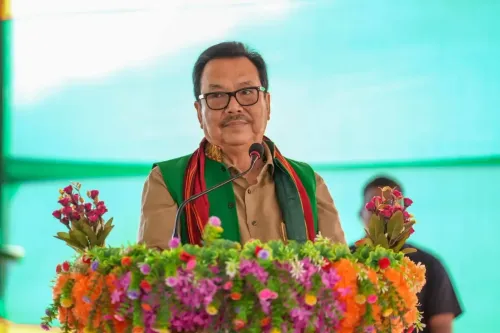
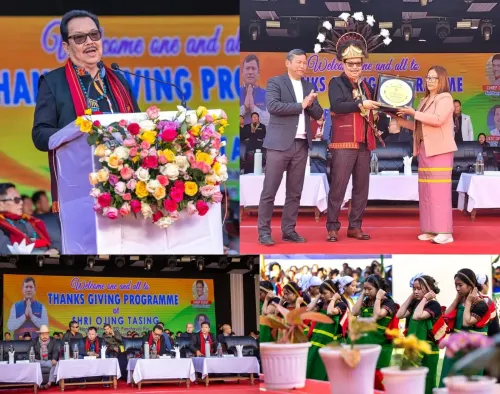
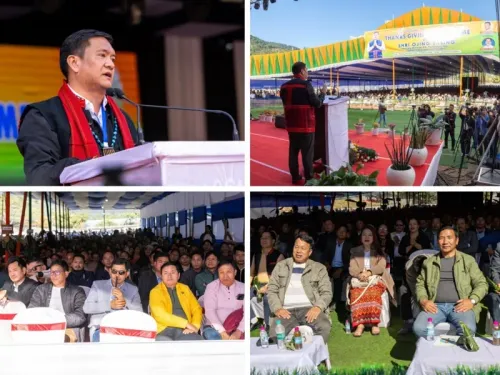
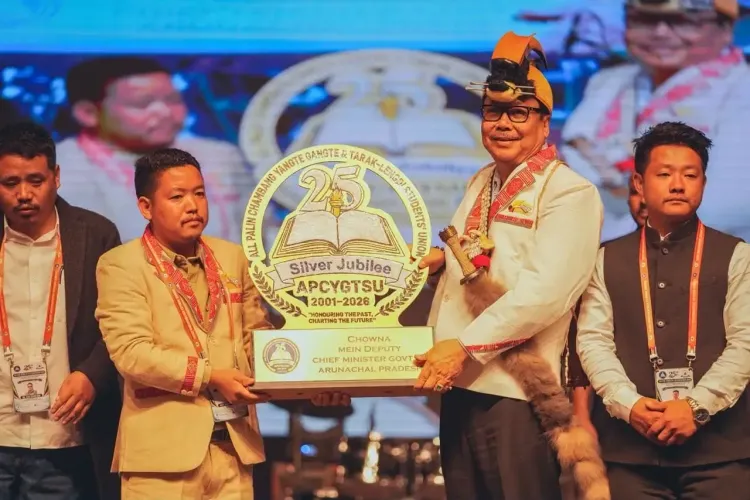
Speaking at the valedictory function of the 25th Silver Jubilee Celebrations of the All Palin, Chambang, Yangte, Gangte and Tarak-Lengdi Students' Union (APCYGTSU) held at Palin, the Deputy Chief Minister underscored the state government's commitment to resolving differences through constructive engagement, informed discussions, and mutual understanding. Ministers Balo Raja and Ojing Tasing also attended the programme.
Mein, who holds the Power and Non-Conventional Energy Resources portfolios, stressed the importance of expert consultations and building public awareness about the project. He urged the youth to channel their energy and talent towards building a peaceful and developed Arunachal Pradesh, highlighting the state's abundant hydropower, minerals, and mining resources.
The Opposition and Key Concerns
The SUMP has faced sustained opposition from several local organisations, which have staged protests over the project's potential environmental and social impact. Arunachal Pradesh Congress President Bosiram Siram, while speaking to the media, claimed that the proposed dam could lead to the submergence of 27 villages. Critics argue that adequate resettlement and environmental safeguards have not yet been publicly detailed.
This comes amid a broader pattern of large hydropower projects in the northeast facing community resistance, where concerns about displacement, ecological disruption, and inadequate consultation have historically led to prolonged standoffs between governments and affected populations.
Chief Minister Khandu's Earlier Engagement
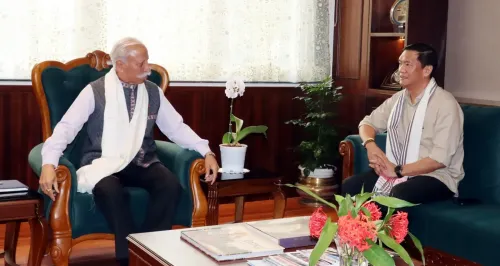
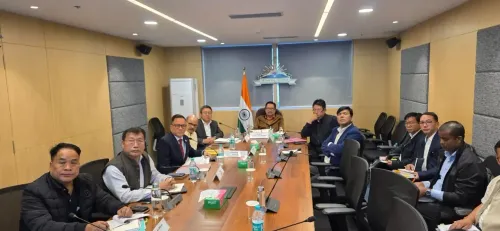
Chief Minister Pema Khandu had earlier convened an all-party meeting of legislators to discuss the Pre-Feasibility Report (PFR) and assess the project's viability. He subsequently held a separate meeting with the Arunachal Indigenous Tribes Forum (AITF) and various Community-Based Organisations (CBOs) to address project-related concerns.
In a post on social media platform X, Khandu said discussions had covered national security, environmental concerns, and local apprehensions. 'Discussed national security, environmental concerns and the concerns of the local people. Our priority is to protect national interests while respecting the rights and aspirations of the people of Siang Valley,' the Chief Minister stated. In a separate X post, Khandu noted that misinformation and misconceptions surrounding the SUMP were reportedly stoking unnecessary anxiety among residents.
Why the Project Matters
At 11,200 MW, the SUMP would rank among India's largest hydropower undertakings, with significant implications for the country's renewable energy targets and Arunachal Pradesh's economic development. The state government has framed the project as a pathway to greater employment and economic opportunity, while acknowledging that its scale demands thorough public consultation.
The controversy has prompted repeated government assurances of transparency — but with protests continuing, the path to consensus remains far from clear. How the administration manages the next round of stakeholder consultations is likely to determine whether the project can move beyond its pre-feasibility stage.
Point of View
Time-bound consultation process with verifiable outcomes. Arunachal Pradesh's hydropower sector sits at the intersection of national energy ambitions, border security imperatives, and indigenous community rights — a combination that has historically produced policy paralysis rather than resolution. The claim of 27 villages facing submergence, if unaddressed publicly, will continue to fuel opposition regardless of how many meetings are held. The real test for the Khandu government is whether it can produce a credible, independent social and environmental impact assessment that all parties — including agitating organisations — can scrutinise.
NationPress
31 Oct 2026
Frequently Asked Questions
What is the Siang Upper Multipurpose Project (SUMP)?
The Siang Upper Multipurpose Project is a proposed mega hydropower dam in Arunachal Pradesh with an expected generation capacity of 11,200 MW. It is one of the largest proposed hydropower projects in India and has been at the centre of debate over environmental impact, village displacement, and national energy needs.
Why are local organisations protesting against the SUMP?
Several local organisations have opposed the project over concerns about its potential social and environmental impact, including claims that the dam could submerge 27 villages. Critics argue that adequate resettlement plans and environmental safeguards have not been publicly detailed by the government.
What has the Arunachal Pradesh government done to address concerns?
Chief Minister Pema Khandu convened an all-party legislators' meeting to discuss the Pre-Feasibility Report and separately met with the Arunachal Indigenous Tribes Forum and Community-Based Organisations. Deputy CM Chowna Mein has repeatedly called for constructive dialogue and expert consultations with all stakeholders.
Who is Chowna Mein and what role does he play in this project?
Chowna Mein is the Deputy Chief Minister of Arunachal Pradesh and holds the Power and Non-Conventional Energy Resources portfolios, making him the key government figure overseeing the state's hydropower sector, including the proposed SUMP.
What happens next with the Siang project?
The project remains at the pre-feasibility stage, with the government yet to move past consultation rounds to a formal approval process. Further stakeholder dialogues are expected, and the outcome of these engagements will likely determine whether the SUMP can advance to the next stage of development or face prolonged delays.