Arunachal Pradesh Governor pushes people-centric admin reforms for border areas
Synopsis
Arunachal Pradesh's vast terrain and sensitive borders have long made equitable governance a challenge. With the Administrative Reforms Commission's preliminary report now before the Chief Minister and the Governor pushing for tech-driven, decentralised delivery, the state is making its most structured push yet to close the gap between policy and last-mile reality.
Key Takeaways
Governor Lt Gen K.T.
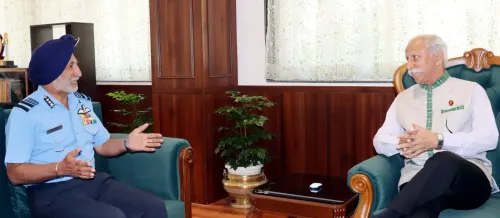
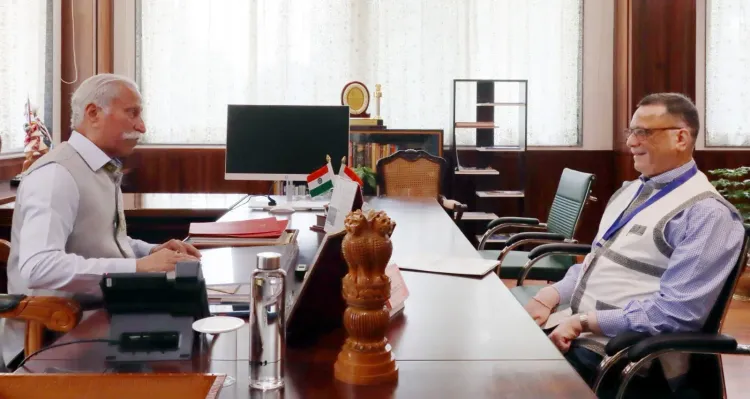
Parnaik (Retd) met Pramod Jain , Chairman of the Arunachal Pradesh Administrative Reforms Commission , at Lok Bhavan, Itanagar on 21 August .
The Governor called for practical, people-centric and future-ready reforms with a focus on last-mile delivery in border and rural areas.
He stressed participatory governance, digitalisation, data-driven administration and strengthening of grassroots institutions.
The Commission has submitted its preliminary report to Chief Minister Pema Khandu , who described it as a vital step towards modernising governance.
Arunachal Pradesh is the largest state in the Northeast by area , with mountainous terrain, scattered settlements and sensitive international borders that complicate service delivery.
Arunachal Pradesh Governor Lt Gen K.T. Parnaik (Retd) on Friday, 21 August called for administrative reforms that are practical, people-centric and future-ready, with an explicit emphasis on last-mile delivery and accountable governance for citizens in the state's remotest border and rural communities.
Key Developments
Pramod Jain, Chairman of the Arunachal Pradesh Administrative Reforms Commission and a retired IAS officer, called on the Governor at Lok Bhavan in Itanagar. The meeting reviewed ongoing and proposed reforms aimed at strengthening public trust, empowering grassroots institutions, and improving the quality and efficiency of public service delivery across the state.
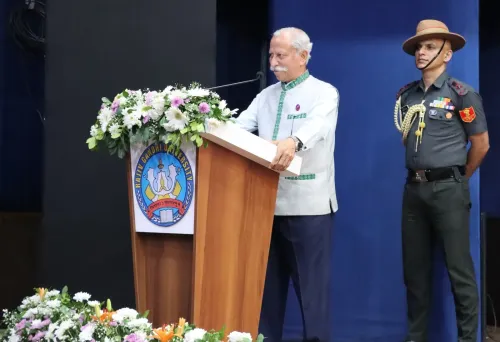
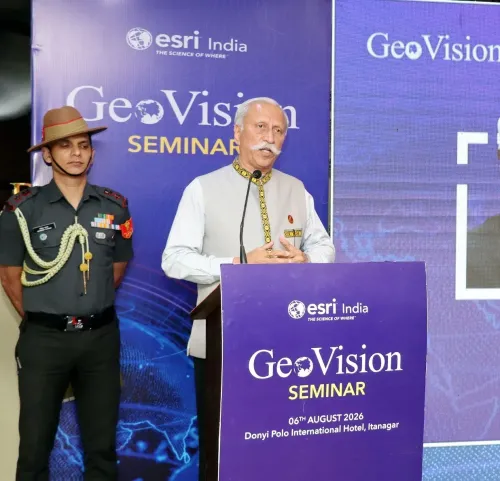
Lt Gen Parnaik stressed the importance of participatory and decentralised governance, digitalisation, timely service delivery and outcome-oriented administration. He called for greater use of technology and data-driven governance to overcome the state's formidable geographical challenges.
Why Arunachal's Terrain Makes This Urgent
Arunachal Pradesh is the largest state in the Northeast by area, characterised by vast mountainous terrain, scattered settlements, rich tribal and cultural diversity, and sensitive international borders. The Governor observed that these unique conditions demand an administrative system that is efficient, agile and responsive to local realities — one that cannot rely on the same delivery models applied to more accessible states.
He underscored the need to strengthen grassroots institutions so that decision-making and the benefits of development reach communities more effectively, particularly those in border districts that have historically been underserved.
Commission's Preliminary Report
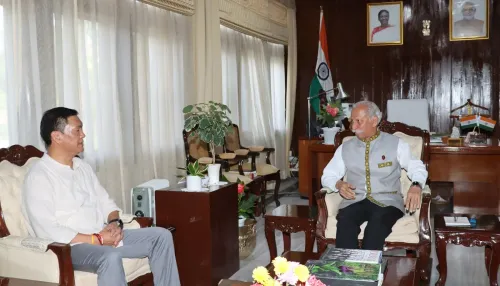
The Arunachal Pradesh Administrative Reforms Commission had earlier submitted its preliminary report to Chief Minister Pema Khandu, marking a significant step towards modernising the state's governance framework. Receiving the report, Khandu described the initiative as vital to improving public service delivery.
The Chief Minister emphasised that reforms are 'not merely about altering systems but about making governance more responsive, transparent and people-centric.' He reiterated the state government's commitment to modernising administrative structures while keeping Arunachal Pradesh's unique socio-cultural and geographical needs at the forefront.
What the Government Said
Khandu expressed confidence that the Commission's recommendations would help streamline procedures, enhance accountability and ensure time-bound delivery of services to citizens. He said the government looks forward to detailed discussions on the report and its constructive implementation in the larger interest of the people of the state.
With the preliminary report now tabled and the Governor's office actively engaged, the next phase will involve translating recommendations into concrete policy and institutional changes across Arunachal Pradesh's 26 districts.
Point of View
But structural delivery gaps in its border districts persist. The Administrative Reforms Commission's preliminary report is a necessary step, yet the real test lies in implementation — specifically, whether recommendations are tied to measurable outcomes and timelines rather than remaining aspirational. The Governor's emphasis on technology and data-driven governance is well-placed, but digital infrastructure in the state's remote areas remains thin. Without addressing connectivity first, even the best-designed digital governance tools will not reach the communities that need them most.
NationPress
6 Oct 2026
Frequently Asked Questions
What did the Arunachal Pradesh Governor say about administrative reforms?
Governor Lt Gen K.T. Parnaik (Retd) emphasised that administrative reforms must be practical, people-centric and future-ready, with a clear focus on last-mile delivery and accountable governance for citizens in border and rural areas. He called for greater use of technology and data-driven governance to overcome the state's geographical challenges.
What is the Arunachal Pradesh Administrative Reforms Commission?
It is a state-level body tasked with recommending reforms to strengthen governance, enhance transparency and improve public service delivery across Arunachal Pradesh. The Commission, chaired by retired IAS officer Pramod Jain, has submitted a preliminary report to Chief Minister Pema Khandu.
What did Chief Minister Pema Khandu say about the reform report?
Khandu described the Commission's preliminary report as a vital step towards modernising the administrative framework and improving public service delivery. He said reforms are about making governance more responsive, transparent and people-centric, and expressed confidence that the recommendations would ensure time-bound service delivery.
Why does Arunachal Pradesh face unique governance challenges?
Arunachal Pradesh is the largest state in the Northeast by area, with vast mountainous terrain, scattered settlements, rich tribal diversity and sensitive international borders. These factors make equitable service delivery significantly harder than in more accessible states, requiring an administrative system that is agile and responsive to local realities.
What are the next steps following the submission of the reform report?
The state government has indicated it looks forward to detailed discussions on the Commission's recommendations and their constructive implementation. The Governor's meeting with the Commission chairman signals active executive-level engagement, with policy and institutional changes expected to follow across Arunachal Pradesh's districts.