Assam HPV vaccination reaches 97.2%: Himanta Sarma
Synopsis
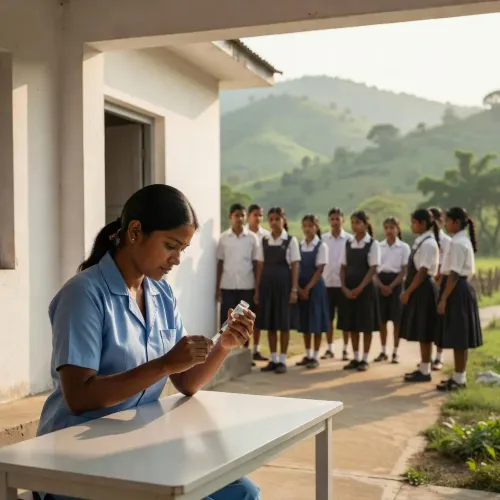
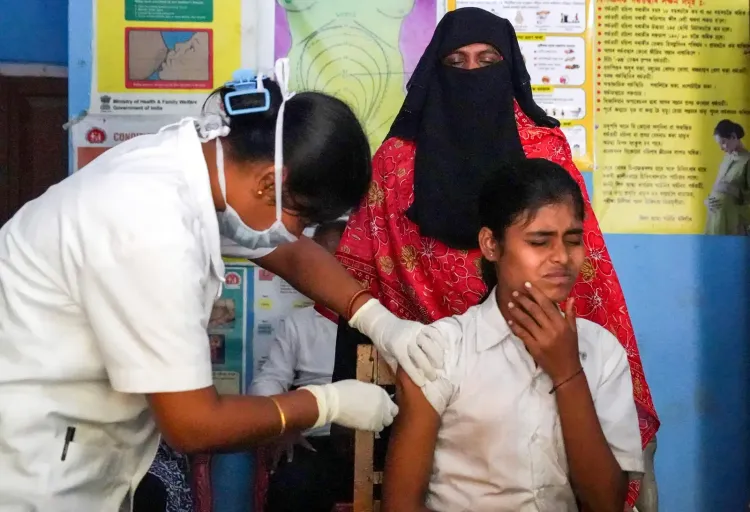
Assam has vaccinated 97.2% of eligible girls against HPV, Chief Minister Himanta Biswa Sarma says. He also highlighted India crossing one crore HPV vaccine doses, as vaccination and screening remain central to cervical cancer prevention.
Key Takeaways
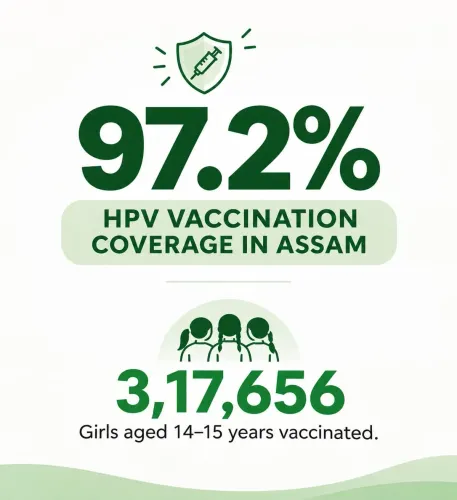
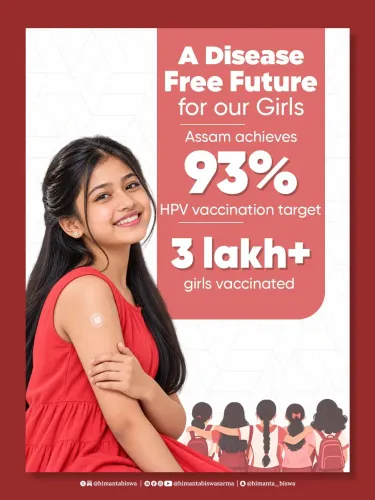
Assam has vaccinated 97.2 per cent of eligible girls against HPV, according to Chief Minister Himanta Biswa Sarma .
Sarma announced the coverage figure in a post on X on 24 November .
Sarma said more than one crore HPV vaccine doses had been administered across India .
Some high-risk HPV strains are responsible for nearly all cases of cervical cancer.
Health authorities emphasise screening and early detection alongside vaccination.
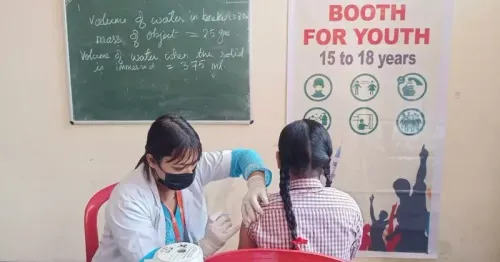
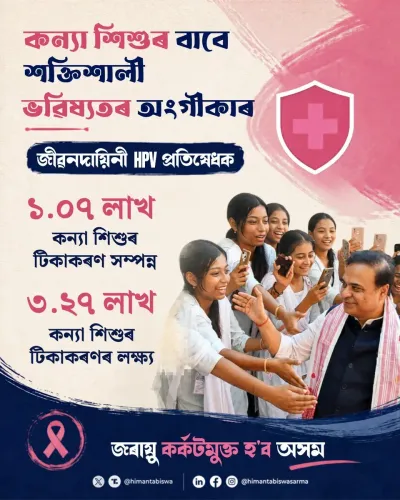
Assam has vaccinated 97.2 per cent of eligible girls under its human papillomavirus (HPV) vaccination drive, Chief Minister Himanta Biswa Sarma said on 24 November. In a post on X, Sarma linked the state's progress to India crossing the milestone of one crore HPV vaccine doses administered.
The vaccination drive is part of an effort to prevent cervical cancer, a major public health concern and one of the most common cancers affecting women in India. Sarma said Assam was proud to contribute to the wider national effort.
Assam coverage and national milestone
“Assam is making strong progress towards HPV vaccination coverage, with 97.2 per cent of eligible girls already vaccinated,” Sarma said in his post. His statement described the figure as the share of eligible girls who had received the vaccine.
The Chief Minister also highlighted the administration of more than one crore HPV vaccine doses across India. The national figure refers to doses administered, while the Assam figure refers to the reported percentage of eligible girls vaccinated; the two measures are not directly interchangeable.
Sarma presented the state's contribution as part of a nationwide initiative to protect women and girls from cervical cancer. His statement did not specify the number of eligible girls in Assam or provide a district-wise breakdown of coverage.
How HPV vaccination helps prevent cancer
HPV is a group of viruses, some strains of which are responsible for nearly all cases of cervical cancer. Persistent infection with high-risk strains can cause abnormal changes in cervical cells that, over time, may develop into cancer.
Health experts consider HPV vaccination an effective preventive measure, particularly when it is given before exposure to the virus. The vaccine protects against high-risk HPV types responsible for a substantial proportion of cervical cancer cases.
Vaccination is a preventive measure rather than a treatment for cervical cancer. The reported coverage figure does not by itself indicate how many future cases will be prevented.
Why screening remains important
Cervical cancer continues to affect women across India, making prevention and early detection important public health priorities. Alongside vaccination, health authorities emphasise regular screening, early detection and timely medical intervention to reduce the disease burden.
These measures address different stages of risk and disease: vaccination helps protect against certain HPV types, while screening can identify abnormal cervical changes. Early detection can help women access medical care when such changes or cancer are found.
Details behind the reported coverage
The information shared by Sarma did not set out the eligibility criteria, the number of doses included in the state coverage measure or the period over which the vaccinations were administered. It also did not give a schedule for reaching girls who remain unvaccinated.
Those details would help explain the reach of the drive and the work still needed across Assam. Further updates on coverage and screening will help clarify how the state's prevention effort progresses.
Point of View
But accountability also requires sustained access to screening and timely care.
NationPress
24 Nov 2026
Frequently Asked Questions
What is Assam's reported HPV vaccination coverage?
Assam has vaccinated 97.2 per cent of eligible girls against HPV, according to Chief Minister Himanta Biswa Sarma. He shared the figure in a post on X on 24 November.
Why does HPV vaccination matter for cervical cancer prevention?
HPV vaccination protects against high-risk virus types responsible for a substantial proportion of cervical cancer cases. Health experts consider it particularly effective when given before exposure to the virus.
How many HPV vaccine doses has India administered?
India has administered more than one crore HPV vaccine doses, according to Himanta Biswa Sarma. That dose count is a different measure from Assam's reported percentage of eligible girls vaccinated.
Does HPV vaccination replace cervical cancer screening?
HPV vaccination does not replace cervical cancer screening. Health authorities also emphasise regular screening, early detection and timely medical intervention.
What happens next in Assam's HPV vaccination drive?
The statement did not provide a schedule for vaccinating the remaining eligible girls. It also did not include a district-wise coverage breakdown.