Assam cabinet clears Compressed Biogas Policy 2026 to boost clean energy
Synopsis
Assam has become one of the first northeastern states to enact a dedicated Compressed Biogas policy, designating a single nodal authority for clearances and unveiling a six-pillar incentive framework — a potential template for the region as India accelerates its biofuel transition.
Key Takeaways
Assam cabinet approved the Compressed Biogas (CBG) Policy, 2026 on 31 July 2026 in Guwahati .
The policy includes a six-pillar incentive package and designates the Commissioner of Industries and Commerce as the nodal authority for single-window clearances.
Cabinet also notified Rakhyasini and Tharko Nalbari Proposed Reserve Forests in Goalpara district as reserve forests.
Amendments to Assam Legal Metrology Rules, 2026 allow manufacturer self-certification and third-party certification of weighing instruments.
Assam Animal Husbandry and Veterinary Subordinate Service (Amendment) Rules, 2026 introduce merit-based recruitment for Veterinary Field Assistants .
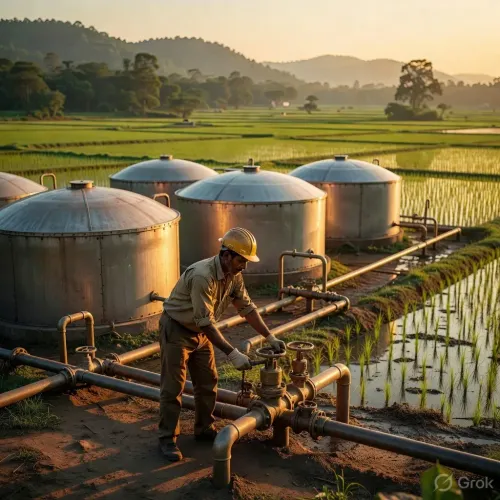
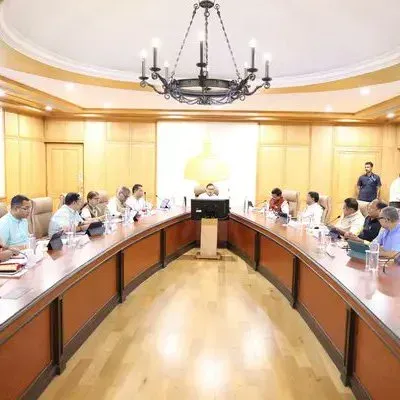
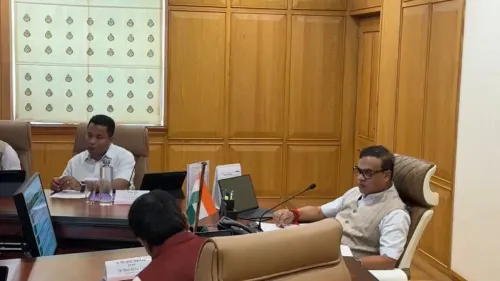
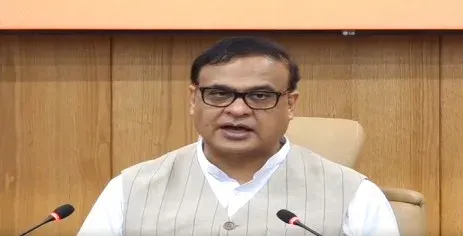
The Assam cabinet on Friday, 31 July 2026 approved the Compressed Biogas (CBG) Policy, 2026, establishing a structured regulatory framework to promote clean energy production and draw private investment into the state's emerging biofuel sector. Chief Minister Himanta Biswa Sarma announced the decision after the cabinet meeting in Guwahati, calling it a step toward sustainable and renewable energy transition.
Key Features of the CBG Policy
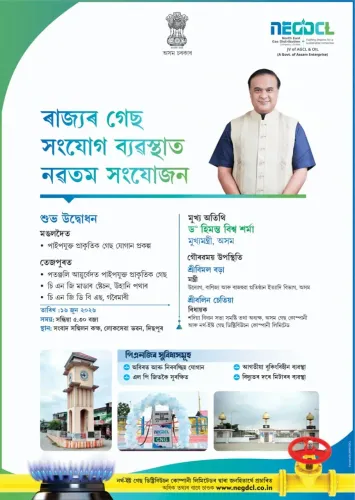
The policy is built around six key pillars of incentives and institutional support designed to encourage private investment and accelerate clean-energy infrastructure development. The cabinet designated the Commissioner of Industries and Commerce as the nodal authority to implement a single-window clearance system, aimed at streamlining approvals and reducing procedural delays for CBG project execution.
'The government also approved a comprehensive package of incentives and institutional support structured around six key pillars to encourage private investment and accelerate the development of clean-energy infrastructure in Assam,' Sarma said.
Other Significant Cabinet Decisions
In a separate move, the cabinet approved the notification of Rakhyasini Proposed Reserve Forest and Tharko Nalbari Proposed Reserve Forest in Goalpara district as reserve forests. The decision is expected to strengthen biodiversity conservation, enhance forest protection, and expand the state's green cover by bringing ecologically sensitive areas under greater legal protection.
The cabinet also cleared amendments to the Assam Legal Metrology (Government Approved Test Centre) Rules, 2026, permitting manufacturers to self-certify specified weighing and measuring instruments and allowing third-party certification — changes aimed at reducing compliance costs and improving ease of doing business.
Additionally, the Assam Animal Husbandry and Veterinary Subordinate Service (Amendment) Rules, 2026 were approved, introducing a more transparent and merit-based selection system for Veterinary Field Assistants and standardising their service conditions.
Why These Decisions Matter
The CBG policy arrives as India pushes states to accelerate adoption of compressed biogas under the national SATAT (Sustainable Alternative Towards Affordable Transportation) initiative. Assam, with its agri-waste and municipal solid waste potential, is seen as a viable hub for biogas production. Notably, this is one of the first state-level CBG policies to designate a single nodal authority for clearances — a model other northeastern states may follow.
The twin reserve forest notifications add to Assam's ongoing efforts to protect its biodiversity corridor, which has faced pressure from encroachment and development activity in recent years.
What Comes Next
Implementation of the single-window clearance system and rollout of the six-pillar incentive package are expected to follow in the coming weeks. Industry stakeholders and potential investors in the biofuel sector will be watching the operationalisation of the nodal authority framework closely as a signal of the state's execution capacity.
Point of View
Slow in practice. Assam's decision to place the Commissioner of Industries and Commerce at the centre is pragmatic, but investors will want to see binding timelines before committing capital. The reserve forest notifications are welcome, but Goalpara's ecological corridors remain under pressure — legal protection alone, without enforcement capacity, rarely moves the needle on biodiversity outcomes.
NationPress
15 Sept 2026
Frequently Asked Questions
What is the Assam Compressed Biogas Policy 2026?
The Assam Compressed Biogas (CBG) Policy, 2026 is a state regulatory framework approved on 31 July 2026 to promote clean energy production through biogas projects. It offers a six-pillar incentive package and establishes a single-window clearance system to attract private investment in the biofuel sector.
Who is the nodal authority under the Assam CBG Policy?
The Commissioner of Industries and Commerce has been designated as the nodal authority responsible for implementing the single-window clearance system for compressed biogas projects in Assam.
Which reserve forests were notified by the Assam cabinet on 31 July?
The Assam cabinet approved the notification of Rakhyasini Proposed Reserve Forest and Tharko Nalbari Proposed Reserve Forest, both located in Goalpara district, as reserve forests to strengthen biodiversity conservation.
What changes were made to Assam's Legal Metrology Rules?
The amended Assam Legal Metrology (Government Approved Test Centre) Rules, 2026 now permit manufacturers to self-certify specified weighing and measuring instruments and allow third-party certification, aimed at reducing compliance costs and improving ease of doing business.
How does the Assam CBG Policy fit into India's national clean energy goals?
The policy aligns with the Centre's SATAT initiative, which promotes compressed biogas as a sustainable transport fuel alternative. Assam's agri-waste and municipal waste base makes it a viable production hub, and the state's dedicated policy framework could serve as a model for other northeastern states.