Assam CM: Frontier Kids Get Textbooks 79 Years After Freedom
Synopsis
Assam Chief Minister Himanta Biswa Sarma declared on November 6, 2026, that children in the state's frontier districts are receiving textbooks for the first time since Independence — a claim underscoring decades of geographic and infrastructural barriers in Assam's remote border zones.
Key Takeaways
Assam CM Himanta Biswa Sarma announced on November 6, 2026 that children in frontier districts are accessing textbooks 79 years after Independence for the first time.
Assam's frontier districts border Bhutan, Arunachal Pradesh, Nagaland, and Bangladesh , and have faced chronic service-delivery gaps driven by isolation and historical conflict.
The Sarva Shiksha Abhiyan (2001) mandated free textbook distribution nationally, yet remote border areas of Assam evidently remained underserved for decades after its launch.
Sarma's government, in office since 2021 , has consistently prioritised closing Northeast India's education infrastructure deficit as a policy identity marker.
Specific district names and verifiable enrollment figures have not been confirmed; teacher deployment alongside textbook delivery remains the critical next benchmark.
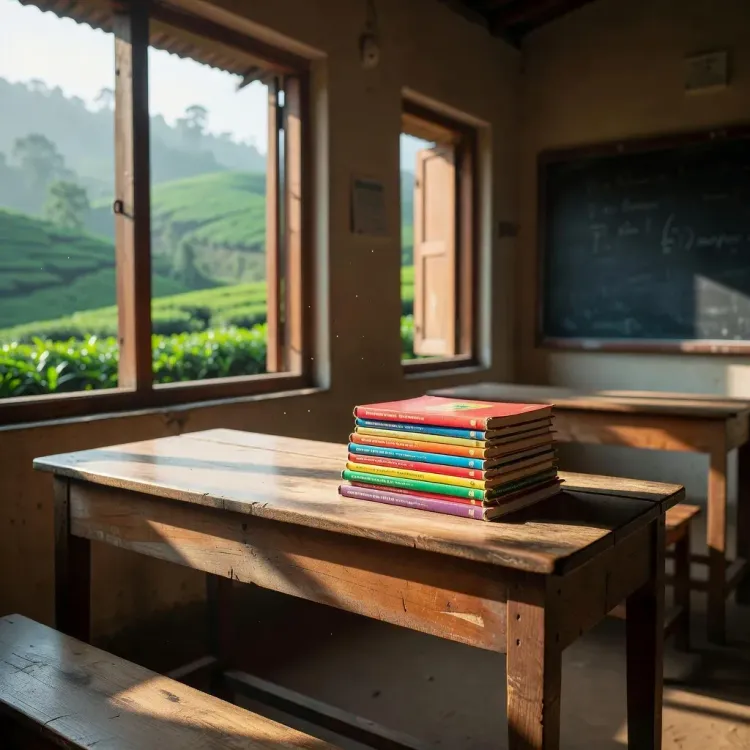
Seventy-nine years after Independence, children in Assam's most remote border districts are finally opening textbooks — a milestone Chief Minister Himanta Biswa Sarma flagged on Friday, November 6, 2026, signalling that the state's long-underserved frontier zones are inching closer to the educational baseline the rest of the country has long taken for granted.
A milestone measured in decades, not months
The Chief Minister's post is sparse on district-level specifics, but the weight of the claim is unmistakable: basic textbook access — the most foundational input in a child's schooling — reportedly only now reaching corners of Assam's frontier belt. Assam's border districts, stretching along international frontiers with Bhutan, Arunachal Pradesh, Nagaland, and Bangladesh, have historically struggled with the dual burden of geographic isolation and decades of ethnic conflict, factors that together kept school infrastructure thin and enrollment figures low long after central and state governments launched formal drives to fix them. The framing — 'after 79 years of Independence' — is a deliberately sharp rhetorical choice. It situates the achievement not as routine administration but as the closing of a gap that survived every five-year plan since 1947.What the policy trail looks like from here
Assam's push into frontier districts for education sits inside a layered policy architecture. The Sarva Shiksha Abhiyan, launched in 2001 to universalise elementary education and mandate free textbook distribution across India, was designed precisely to plug gaps like these in remote, tribal, and border-area schools. That the scheme is still generating 'first-time access' stories more than two decades after its launch speaks to how entrenched the barriers in these districts have been — terrain, sparse population density, security restrictions, and chronic teacher vacancies all compound one another. Sarma's government, in office since 2021, has staked a visible part of its identity on closing Northeast India's service-delivery gap, regularly citing school-infrastructure expansion, enrollment drives, and digital connectivity in remote zones. This latest claim, if followed by verifiable enrollment and infrastructure data, would represent a tangible addition to that ledger.What to watch as the story develops
The critical next metrics are specificity and verification: which districts, how many schools, how many students, and whether teacher deployment matches the textbook delivery. Textbook distribution without trained teachers in classrooms is infrastructure without ignition. State education department figures on enrollment, school-to-student ratios, and teacher vacancies in the named frontier districts will determine whether this milestone holds its shape under scrutiny. Seventy-nine years is a long time for a child to wait for a textbook. The question now is whether the wait for the teacher who can help read it will be any shorter.Point of View
The durability of this milestone depends entirely on whether teacher deployment, school infrastructure, and sustained enrollment follow the textbook delivery — without those, the headline risks becoming a one-cycle talking point. Analysts watching Northeast India's education metrics will be looking for district-level data before accepting the claim at face value.
NationPress
6 Nov 2026
Frequently Asked Questions
Which frontier districts of Assam are getting textbooks for the first time?
Assam CM Himanta Biswa Sarma's statement does not specify individual district names. The government is expected to release further details on which frontier border districts are covered under this initiative.
Why did Assam's border districts lack textbook access for so long?
Geographic isolation, sparse population density, historical ethnic conflicts, and chronic teacher and infrastructure shortages combined to keep service delivery — including school textbooks — out of reach in Assam's frontier belt for decades after 1947.
What is Sarva Shiksha Abhiyan and why is it relevant here?
Sarva Shiksha Abhiyan, launched in 2001 , is India's flagship scheme to universalise elementary education and distribute free textbooks. Its continued relevance in generating 'first-time access' stories in Assam's frontier zones in 2026 reflects how deep the structural barriers in those areas have been.
What has Himanta Biswa Sarma done for education in Assam since 2021?
Since becoming Chief Minister in 2021 , Sarma has pursued school infrastructure expansion, enrollment drives, and digital connectivity in remote districts as cornerstones of his administration's development agenda in Assam.
Is textbook delivery enough to fix education in Assam's frontier districts?
Textbooks are a necessary but insufficient first step. Education experts consistently highlight teacher deployment, school infrastructure, and consistent enrollment as the metrics that will determine whether the milestone translates into real learning outcomes in these regions.