Assam CM unveils 'futuristic' oil and gas exploration policy
Synopsis
Assam has announced a 'futuristic policy' to revive oil and gas exploration in its century-old hydrocarbon province. The move, flagged by the Chief Minister's Office on 19 August 2026, aims to complement India's central licensing framework and attract fresh investment into mature Upper Assam basins.
Key Takeaways
The Chief Minister's Office of Assam announced a new 'futuristic policy' on 19 August 2026 to spur oil and gas exploration in the state.
Assam hosts some of India's oldest petroleum fields, with operations by Oil India Limited (Duliajan) and ONGC dating to the nationalisation era of the 1950s–60s .
The state-level policy is intended to complement India's central Hydrocarbon Exploration and Licensing Policy (HELP) , introduced in 2016 .
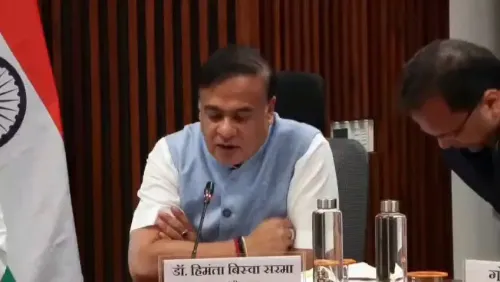
Chief Minister Himanta Biswa Sarma has positioned resource development as key to diversifying the Northeast economy beyond tea and agriculture.
Specific provisions — new block offerings, bidding timelines, and fiscal incentives — are yet to be publicly detailed.
Communities in Upper Assam are among the most directly affected stakeholders as exploration activity potentially expands.
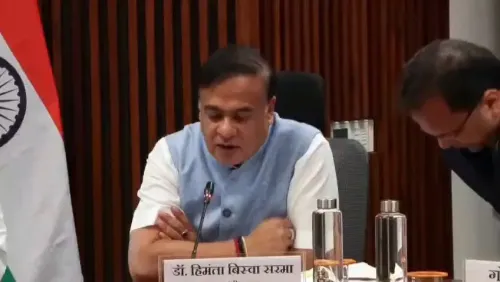
Assam is betting on its underground reserves to write a new economic chapter. The Chief Minister's Office of Assam announced on Wednesday, 19 August 2026 that the state has unveiled what it calls a 'futuristic policy' aimed at spurring fresh oil and gas exploration — a move that signals Guwahati's intent to turn mature hydrocarbon basins into engines of growth once more.
A century-old oil state reaching for a new playbook
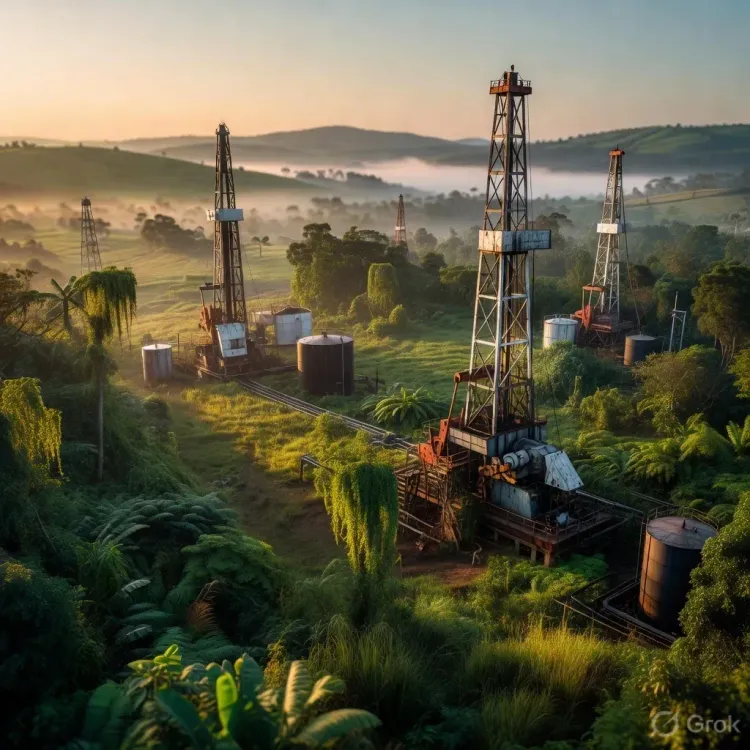
Assam is no newcomer to petroleum. The state sits atop one of India's oldest hydrocarbon provinces — fields first discovered in the late 19th century — and has hosted landmark public sector operations since the nationalisation era of the 1950s and 1960s. Oil India Limited, headquartered in Duliajan, and ONGC, India's largest exploration company, have worked Assam's blocks for decades. But mature basins produce less with time, and the state has been searching for a policy lever to reverse the decline.
That context makes the new announcement consequential. Chief Minister Himanta Biswa Sarma, who has led the state since 2021, has consistently framed resource development as central to diversifying the Northeast economy beyond its traditional pillars of tea and agriculture. A refreshed exploration framework at the state level is designed to complement the central government's Hydrocarbon Exploration and Licensing Policy (HELP), introduced in 2016 to unify licensing for conventional and unconventional hydrocarbons across India.
Why state-level policy still matters alongside HELP
India's central licensing regime sets the floor, but states control land access, clearances, and local fiscal terms — the variables that often determine whether an investor actually drills. By updating its own rulebook, Assam aims to reduce friction for companies eyeing its blocks. The move aligns with India's long-standing objective of lifting domestic crude output to moderate the country's heavy dependence on imports.
Communities in Upper Assam, where the bulk of the state's hydrocarbon activity is concentrated, stand to be among the most directly affected — both through employment and through the environmental scrutiny that any expanded drilling programme will attract.
What investors and analysts will watch next
The policy announcement is a starting gun, not a finish line. The details that will determine its real impact — new exploration block offerings, bidding timelines, joint-venture frameworks, and the specific fiscal incentives on the table — are yet to be publicly laid out. Whether the 'futuristic' label translates into a genuinely differentiated regime or remains aspirational will depend on those specifics emerging in the weeks ahead.
For a state that has long punched below its weight in converting geological wealth into fiscal revenue, the stakes of getting this right are high.
Point of View
Success here would strengthen his economic development narrative ahead of state political cycles. For New Delhi, a productive Assam adds a modest but symbolically important data point to its domestic energy security argument.
NationPress
19 Aug 2026
Frequently Asked Questions
What is Assam's new futuristic oil and gas exploration policy?
Assam announced a new state-level policy on 19 August 2026 aimed at reviving and expanding oil and gas exploration in its hydrocarbon basins. The policy is intended to complement India's central Hydrocarbon Exploration and Licensing Policy (HELP) by improving local conditions for investors, though specific provisions and fiscal incentives are yet to be fully disclosed.
Which companies explore for oil and gas in Assam?
Oil India Limited , headquartered in Duliajan, Assam , and ONGC , India's largest oil and gas exploration company, have operated in Assam's fields since the nationalisation era of the 1950s and 1960s.
What is the Hydrocarbon Exploration and Licensing Policy (HELP)?
HELP is a national framework introduced by the Government of India in 2016 to replace the older New Exploration Licensing Policy. It unified licensing for conventional and unconventional hydrocarbons and was designed to simplify the process and encourage domestic production.
Why does Assam want to boost oil and gas exploration?
Assam's existing hydrocarbon fields are mature and producing less over time. The state government, led by CM Himanta Biswa Sarma , wants to diversify the Northeast economy beyond tea and agriculture, and fresh exploration activity would also support India's broader goal of reducing crude oil import dependence.
Where is most of Assam's oil and gas activity located?
The bulk of Assam's hydrocarbon activity is concentrated in Upper Assam , where fields were first discovered in the late 19th century and have been operated by public sector companies for decades.