CM Assam: PM Surya Ghar Scheme Powering State's Clean Energy Push

Synopsis
The Chief Minister's Office of Assam on 30 May 2026 spotlighted the PM Surya Ghar: Muft Bijli Yojana, calling it a transformative force turning Assam homes into solar power generators and driving the state's shift toward clean, self-reliant energy under PM Modi's flagship rooftop solar programme.
Key Takeaways
The Chief Minister's Office of Assam on 30 May 2026 publicly championed the PM Surya Ghar: Muft Bijli Yojana , calling it a clean energy game-changer for the state.
The central scheme, launched by Prime Minister Narendra Modi in February 2024 , targets one crore households with rooftop solar systems of 1–3 kW capacity.
Eligible beneficiaries can receive up to 300 units of free electricity per month through the programme.
Assam and other Northeastern states have historically lagged in rooftop solar but are now prioritising central schemes to cut dependence on imported power.
The scheme supports India's national target of 500 GW non-fossil fuel capacity by 2030 through household-level distributed generation.
State-level installation figures and subsidy disbursement data will be the key indicators of the programme's on-ground progress in Assam.
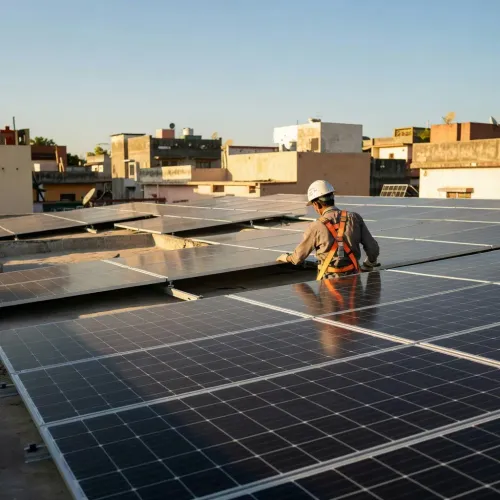
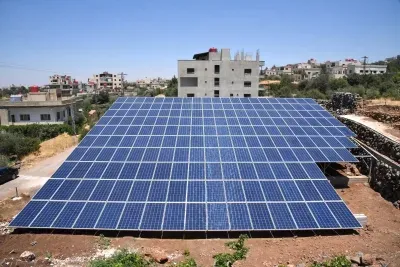
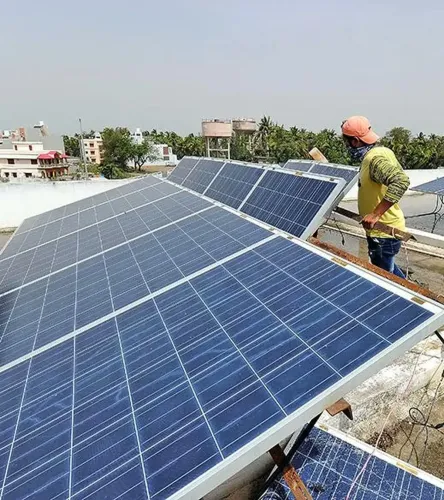
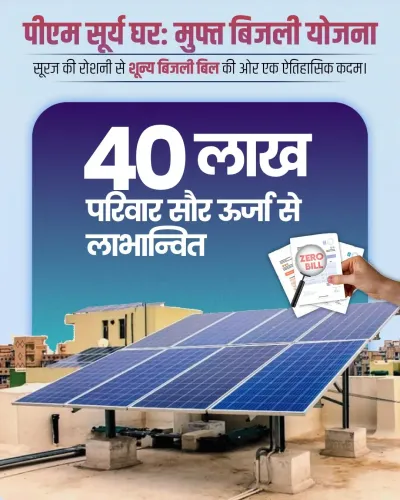
The Chief Minister's Office of Assam on Saturday, 30 May 2026 highlighted the transformative impact of the PM Surya Ghar: Muft Bijli Yojana on the state's clean energy landscape, stating that the central scheme is turning ordinary homes into power generators and accelerating Assam's transition toward a greener, self-reliant energy future.
Context
The CMO's post underscores the state government's active promotion of the PM Surya Ghar: Muft Bijli Yojana, a flagship central scheme that was formally launched by Prime Minister Narendra Modi in February 2024. The programme targets the installation of rooftop solar systems of 1 to 3 kW capacity across one crore households nationwide, enabling eligible families to receive up to 300 units of free electricity per month. The CMO's framing — 'turning homes into power generators' — signals the state's intent to position residential solar adoption as a mainstream energy solution rather than a niche initiative.
Policy Backdrop
Assam, like other Northeastern states, has historically depended heavily on hydropower imports and thermal generation to meet its electricity demand, leaving it vulnerable to seasonal supply gaps and high transmission losses over long distances. The state's embrace of the PM Surya Ghar scheme fits into India's broader push under the National Solar Mission and the country's commitment to achieving 500 GW of non-fossil fuel capacity by 2030. Distributed rooftop solar generation at the household level directly reduces stress on the transmission grid and cuts the per-unit cost burden on consumers in remote and semi-urban areas.
The scheme offers central financial assistance linked to system size, making it accessible to households across income brackets. Beneficiaries register through a dedicated national portal, with subsidies disbursed directly to their bank accounts after installation is verified by empanelled vendors.
Stakeholders and Impact
For Assam's households, particularly those in areas prone to power outages or high tariffs, the scheme offers a dual benefit: reduced monthly electricity bills and a potential revenue stream if surplus power is fed back into the grid. The renewable energy sector in the Northeast stands to gain from increased demand for solar panels, installation services, and grid integration infrastructure. Local employment in the solar supply chain — from vendor empanelment to post-installation maintenance — is also expected to grow as adoption scales.
The CMO's communication reinforces the state administration's role as an active facilitator, encouraging eligible residents to enrol and helping build public awareness of subsidy entitlements under the national programme.
What's Next
The pace of the scheme's rollout in Assam will be measured by state-level installation figures, subsidy disbursement data, and grid integration progress — metrics that feed into both the state's annual energy planning and India's national renewable capacity targets. Sustained outreach by the CMO and district administrations will be critical to driving enrolment in rural and peri-urban pockets where awareness of the scheme remains limited. Progress in the Northeast is closely watched as a bellwether for whether India's distributed solar ambitions can reach its most geographically challenging regions.
Point of View
Publicly owning a household solar programme allows the administration to frame energy self-reliance as a governance achievement. The move also aligns Assam's brand with India's broader green energy narrative, giving the state a stake in the national 500 GW renewable target story. Whether the on-ground installation numbers match the rhetorical energy will be the real test of the initiative's depth.
NationPress
14 Oct 2026
Frequently Asked Questions
What is PM Surya Ghar Muft Bijli Yojana?
PM Surya Ghar: Muft Bijli Yojana is a central government scheme launched in February 2024 by Prime Minister Narendra Modi to install rooftop solar systems of 1–3 kW in one crore Indian households, providing up to 300 units of free electricity per month to beneficiaries.
How is PM Surya Ghar scheme being implemented in Assam?
The Assam government, through the Chief Minister's Office, is actively promoting the scheme to drive household enrolment. Eligible residents register on the national portal and receive central subsidies directly in their bank accounts after installation by empanelled vendors.
How much free electricity do beneficiaries get under PM Surya Ghar Yojana?
Beneficiaries under the PM Surya Ghar: Muft Bijli Yojana are entitled to up to 300 units of free electricity per month, depending on the capacity of the rooftop solar system installed at their home.
Why is rooftop solar important for Assam and the Northeast?
Northeastern states like Assam have historically depended on hydropower imports and thermal power, making them vulnerable to supply gaps and high transmission losses. Rooftop solar reduces this dependence, lowers consumer tariffs, and supports India's 500 GW non-fossil capacity target by 2030.
When was PM Surya Ghar Muft Bijli Yojana launched?
The PM Surya Ghar: Muft Bijli Yojana was formally launched nationwide by Prime Minister Narendra Modi in February 2024.