Assam targets 6,000 MW renewable energy capacity by 2030: CM Himanta
Synopsis
Assam CM Himanta Biswa Sarma has set a 6,000 MW renewable energy target for 2030, framing clean power not just as an environmental goal but as the engine of the state's next phase of economic growth. The ambition is large — and so are the execution challenges around investment, grid integration, and land availability.
Key Takeaways
Assam is targeting 6,000 MW of renewable energy capacity by 2030 , as announced by Chief Minister Himanta Biswa Sarma .
Sarma described green energy as 'the heart of Assam's next growth story' in a post on X .
The push is driven by rising electricity demand from industrial expansion, urbanisation, and infrastructure development.
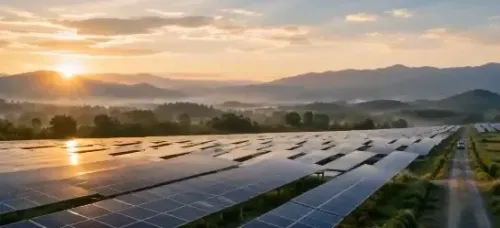
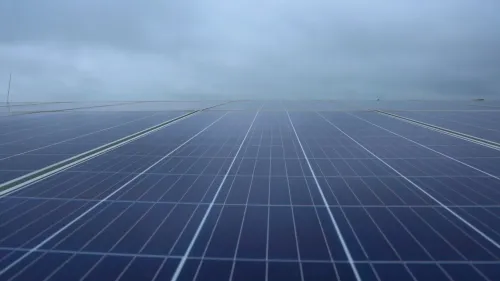
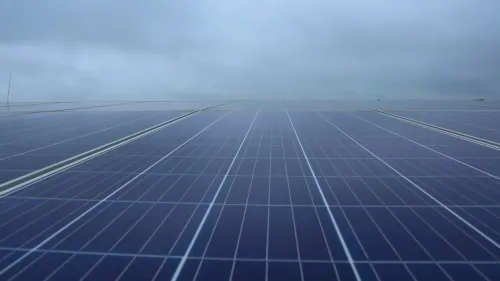
Assam has strong solar potential due to land availability and favourable climatic conditions in several parts of the state.
Achieving the target will require significant investment in generation, transmission infrastructure, and grid integration by government, utilities, and private players.
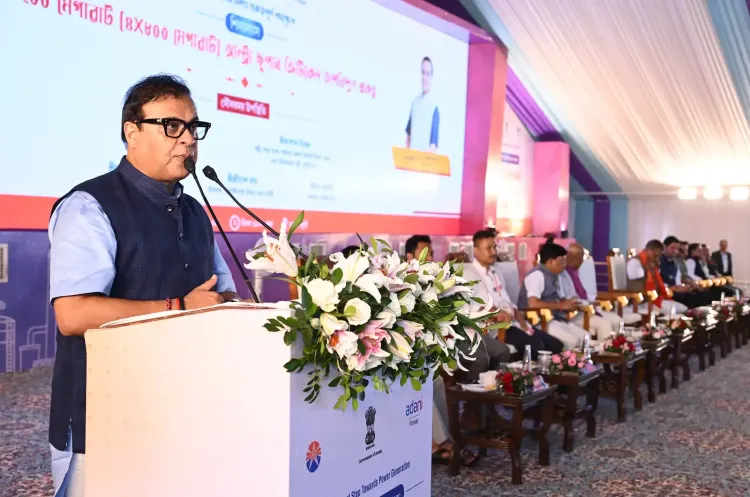
Assam is targeting 6,000 MW of renewable energy capacity by 2030 as part of an ambitious plan to make clean power a central driver of the state's economic growth, Chief Minister Himanta Biswa Sarma announced on Tuesday, 22 September 2026. The target, shared by Sarma in a post on X, positions green energy as the cornerstone of what the Chief Minister described as Assam's 'next growth story'.
What Himanta Biswa Sarma Said
'Green energy will be at the heart of Assam's next growth story. With 6,000 MW of renewable energy targeted by 2030, we are laying the foundation for a cleaner and more energy secure Assam,' the Chief Minister stated. The remarks underline a deliberate push to expand renewable power generation while strengthening the state's long-term energy security.
Why Assam Is Betting on Renewables
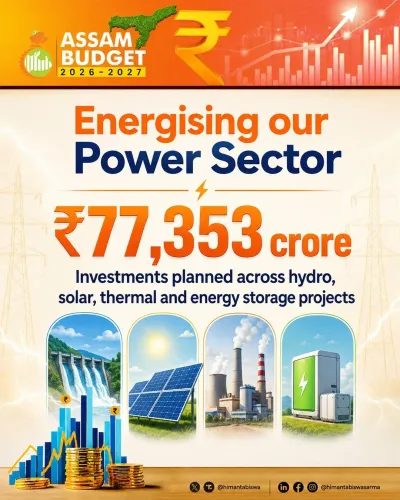
The 6,000 MW target comes as Assam faces rising electricity demand driven by industrial expansion, infrastructure development, and accelerating urbanisation. Renewable energy, particularly solar power, presents a viable path for the state given the availability of land and favourable climatic conditions across several regions. Diversifying the power mix would also reduce Assam's dependence on conventional fossil-fuel sources over the longer term.
Notably, the push aligns with a broader national drive to scale up non-fossil-fuel electricity generation and cut carbon emissions. For Assam, the planned expansion could improve reliable power availability, attract industrial investment, and generate opportunities in clean-energy infrastructure, manufacturing, and allied sectors.
Challenges on the Road to 2030
Achieving the target within the stated timeline, however, would require substantial investment across generation capacity, transmission infrastructure, land acquisition, and grid integration. Coordinated action involving government agencies, state power utilities, and private investors will be essential to translate the announced target into operational renewable energy capacity.
The state government has been actively courting private and public investment in clean energy projects as part of its wider development strategy, which spans manufacturing, logistics, and technology sectors.
Broader Economic Significance
Chief Minister Sarma's announcement signals that renewable energy is being positioned not only as an environmental commitment but also as a structural pillar of Assam's economic and infrastructure strategy. Reliable, cleaner power is increasingly seen as a prerequisite for sustaining the state's emerging industrial and investment landscape. All eyes will now be on the pace of policy implementation and the quantum of investment mobilised in the months ahead.
Point of View
000 MW renewable target by 2030 is an ambitious headline, but Assam's track record on large-scale energy project execution will be the real test. The state's solar potential is genuine, yet grid integration, transmission bottlenecks, and land acquisition remain perennial hurdles for northeastern states. What is notable here is the framing: Sarma is packaging renewables as an economic growth lever rather than a climate obligation, which could unlock a different class of private investment. Whether that translates into signed PPAs and commissioned capacity — rather than announced targets — is the question mainstream coverage is not yet asking.
NationPress
22 Sept 2026
Frequently Asked Questions
What is Assam's renewable energy target for 2030?
Assam is targeting 6,000 MW of renewable energy capacity by 2030, as announced by Chief Minister Himanta Biswa Sarma. The goal is to make clean power a key driver of the state's economic growth and improve long-term energy security.
Why is Assam focusing on renewable energy?
Assam faces rising electricity demand linked to industrial expansion, urbanisation, and infrastructure development. Expanding renewables — particularly solar — would diversify the state's power mix, reduce dependence on conventional sources, and support its emerging industrial and investment landscape.
What are the main challenges in achieving the 6,000 MW target?
Reaching 6,000 MW by 2030 will require substantial investment in generation capacity, transmission infrastructure, land acquisition, and grid integration. Coordinated efforts between government agencies, power utilities, and private investors will be critical to meeting the deadline.
Which type of renewable energy is Assam best positioned to develop?
Solar power is considered the most promising option for Assam, given the availability of land and favourable climatic conditions across several parts of the state. The government has been seeking both private and public investment in clean energy projects.
How does Assam's target fit into India's broader energy plans?
The target aligns with India's national push to scale up non-fossil-fuel electricity generation and reduce carbon emissions. For Assam, clean energy expansion is also positioned as a means of attracting industrial investment and creating jobs in clean-energy infrastructure and manufacturing.