CM Himanta Opens First Tiles Plant in Eastern India at Sonitpur
Synopsis
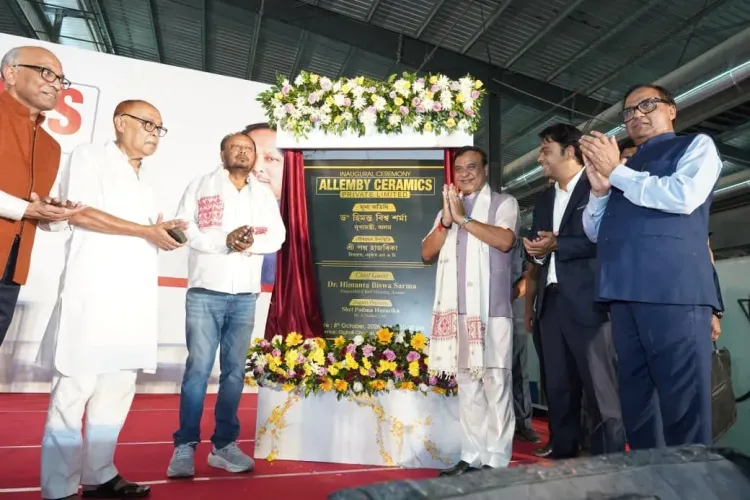
Assam CM Himanta Biswa Sarma inaugurated a tiles manufacturing plant in Sonitpur on October 8, 2026 — the first of its kind in Eastern India — marking a milestone in the state's drive to close its long industrial gap since 2014.
Key Takeaways
Assam CM Himanta Biswa Sarma inaugurated a tiles manufacturing plant in Sonitpur on October 8, 2026 .
The plant is located approximately 200 km from Guwahati and is described as the first of its kind in Eastern India .
Sarma acknowledged that Assam 'missed the bus of industrialisation' historically, framing the plant as part of a catch-up drive since 2014 .
The facility reduces dependence on tiles imported from distant manufacturing clusters in Gujarat and Andhra Pradesh .
Sonitpur's new plant could position Assam as a tiles supplier to neighbouring countries including Bhutan, Bangladesh, and Myanmar .
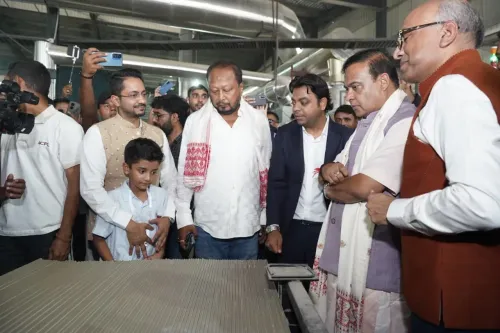
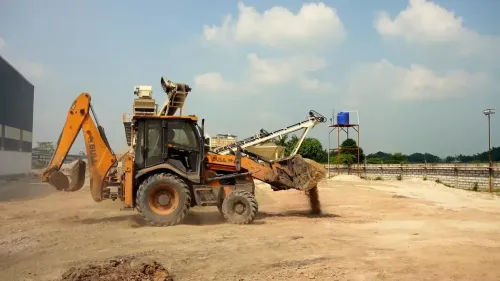
A region that once watched India's industrial revolution roll past its borders now has a new answer to that history. Assam Chief Minister Himanta Biswa Sarma on Thursday, October 8, 2026, inaugurated a tiles manufacturing plant in Sonitpur district, roughly 200 kilometres from Guwahati — the first facility of its kind in all of Eastern India.
Assam's long industrial gap — and the moment that just closed one chapter of it
Sarma did not mince words about the backstory. 'Assam once missed the bus of industrialisation,' he wrote, posting news of the inauguration. The acknowledgement is pointed: while states like Gujarat, Maharashtra, and Tamil Nadu built manufacturing corridors across the second half of the twentieth century, Assam's industrial base remained thin — constrained by geography, connectivity deficits, decades of insurgency, and policy neglect. The result was a state rich in natural resources but consistently exporting raw materials and importing finished goods, including something as basic as ceramic tiles.
That import dependence is precisely what makes the Sonitpur plant significant. Tiles are a high-volume, logistics-sensitive product — heavy to ship, cheap to produce near the consumption point. Every square metre manufactured in Sonitpur is one fewer square metre hauled by truck from kilns in Gujarat's Morbi cluster or from factories in Andhra Pradesh, hundreds of kilometres away. For builders and home-buyers across the Northeast, that gap in the supply chain has meant higher costs and longer lead times for decades.
Since 2014: the policy context CM Sarma is invoking
Sarma's reference to 2014 as a turning point is deliberate political framing. The year marks both the arrival of a BJP-led government at the Centre under Prime Minister Narendra Modi and, eventually, the party's consolidation in Assam itself — Sarma's own government took office in 2021. The Northeast as a whole has seen accelerated infrastructure investment since then: road and rail connectivity projects, logistics parks, and industrial incentive schemes have all been cited by the state administration as catalysts for new investor interest. The tiles plant fits that narrative of a region 'catching up fast.'
For Sonitpur — a district that straddles the Brahmaputra floodplain and has historically relied on agriculture and tea — a manufacturing anchor of this scale signals a potential shift in the local employment landscape. Tiles production is labour-intensive at multiple stages, from raw material handling to kiln operation to finishing and packaging, which means the plant's multiplier effect on jobs could be felt well beyond its factory floor.
What 'first in Eastern India' actually means for the region
The 'first in Eastern India' tag carries real competitive weight. West Bengal, Odisha, Jharkhand, Bihar — none of them, by the Chief Minister's reckoning, hosts a comparable tiles manufacturing operation. If that claim holds, Assam has leapfrogged older, larger industrial neighbours in a product category that is only growing in demand as construction booms across the Northeast's rising urban centres. The plant also positions Assam as a potential supplier to Bhutan, Bangladesh, and Myanmar — neighbouring markets that share the region's logistics constraints and would benefit from a closer source.
One plant does not rewrite an industrial history. But in a state where that history has been defined by absence, the first of anything carries an outsized psychological and economic signal. The bus, it seems, has finally stopped.
Point of View
CM Sarma is doing two things at once: owning a historical failure to build credibility, and then immediately claiming credit for reversing it. The 'first in Eastern India' framing is politically shrewd, turning a single factory ribbon-cutting into a regional milestone that implicitly indicts older political dispensations across multiple states. Whether this plant seeds a genuine manufacturing cluster in Sonitpur or remains an isolated landmark will be the real test of the narrative.
NationPress
8 Oct 2026
Frequently Asked Questions
Where is the new tiles manufacturing plant in Assam located?
The plant is located in Sonitpur district , approximately 200 kilometres from Guwahati , the state capital of Assam.
Who inaugurated the tiles plant in Sonitpur?
Assam Chief Minister Himanta Biswa Sarma inaugurated the tiles manufacturing plant on October 8, 2026 .
Why is the Sonitpur tiles plant significant for Eastern India?
It is the first tiles manufacturing plant of its kind in Eastern India, meaning states like West Bengal, Bihar, Odisha, and Jharkhand do not have a comparable facility. This reduces the region's dependence on tiles supplied from Gujarat and Andhra Pradesh.
What did CM Himanta Biswa Sarma say about Assam's industrial history?
Sarma stated that 'Assam once missed the bus of industrialisation' but has been 'catching up fast' since 2014 , framing the new plant as evidence of that turnaround.
What economic impact could the Sonitpur tiles plant have?
The plant is expected to reduce construction input costs for the Northeast, create local employment across production stages, and potentially open export opportunities to neighbouring countries like Bhutan, Bangladesh, and Myanmar .