Assam adds tea plantation land to Farmers' Registry, unlocking benefits for small growers
Synopsis
Assam has quietly redrawn the boundaries of its agricultural welfare system — by bringing tea and plantation-class land into the Farmers' Registry for the first time, Chief Minister Himanta Biswa Sarma has opened the door for lakhs of small tea growers to access credit, fertilisers, and direct benefit transfers through a single platform, cutting out the middlemen who have long stood between them and state support.
Key Takeaways
Assam CM Himanta Biswa Sarma announced on 26 June that tea and plantation-class land is now included in the state's Farmers' Registry Portal .
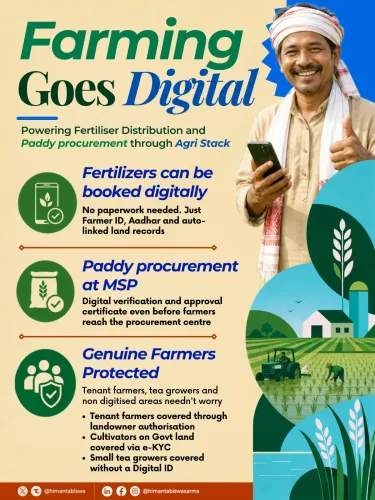
Small tea growers can now obtain a unique Farmer ID , granting access to direct benefit transfers and government welfare schemes.
The move promises timely fertiliser access , institutional credit on better terms , and elimination of middlemen.
Small tea cultivation is one of Assam's fastest-growing agricultural sectors , making the community a significant beneficiary.
The decision is part of a broader digitisation of agricultural records under the Assam government's technology-driven governance push.
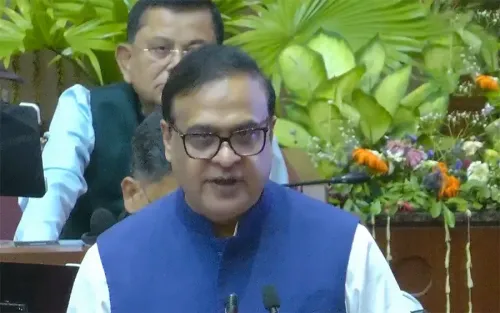
Assam Chief Minister Himanta Biswa Sarma on Friday, 26 June announced the inclusion of tea and plantation-class land holdings in the state's Farmers' Registry Portal, describing it as a landmark policy shift for the lakhs of small tea growers across Assam who will now access government welfare schemes through a single digital platform.
What Has Changed
Until now, tea and plantation-class land categories sat outside the Farmers' Registry framework, effectively excluding small tea cultivators from the digital agriculture ecosystem. The new inclusion means these growers can register for a unique Farmer ID — a prerequisite for accessing direct benefit transfers, subsidised fertilisers, and institutional credit schemes.
Chief Minister Sarma, announcing the decision in a post on X, said: 'Today marks a historic day for the lakhs of small tea growers in Assam. Tea and plantation-class land holdings are now included in the Farmers' Registry Portal.'
Key Benefits for the Chai Samuday
According to Sarma, the integration will ensure timely and need-based availability of fertilisers and provide seamless access to multiple government welfare programmes through a single platform. Improved access to institutional credit on better terms is also expected, reducing growers' dependence on informal lenders — a long-standing vulnerability for small cultivators.
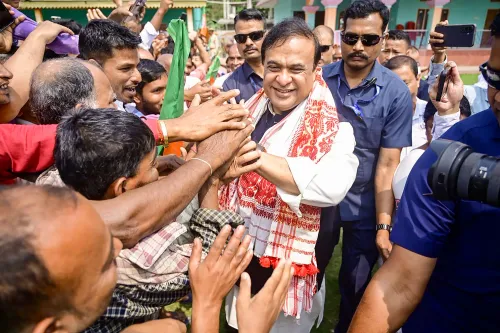
Officials further noted that the move is designed to eliminate middlemen who have historically restricted small tea growers' access to government assistance and financial services. Sarma described the development as 'a major leap for the Chai Samuday, which can now enjoy all government benefits from a single platform.'
Significance for Assam's Tea Sector
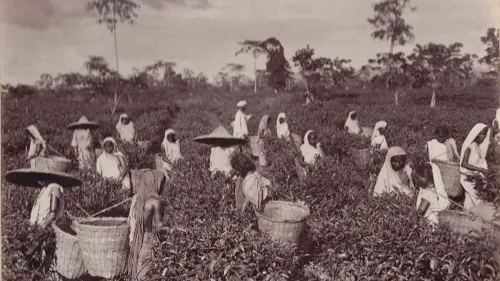
Small tea cultivation has emerged as one of Assam's fastest-growing agricultural segments, contributing significantly to the state's overall tea output. The integration of plantation land records into the Farmers' Registry is expected to improve transparency in agricultural service delivery, strengthen direct benefit transfers, and enable more efficient implementation of support programmes for the community.
Notably, this move is part of the Assam government's broader digitisation push for agricultural records — an effort to bring farmer-centric welfare schemes under technology-driven governance. This comes amid a wider national drive to formalise agricultural land data and link it to welfare delivery, though Assam's inclusion of plantation-class land is a category-specific step that few other tea-producing states have replicated at this scale.
What Comes Next
With the portal now open to tea and plantation-class land holders, the immediate priority will be onboarding lakhs of eligible growers and ensuring ground-level awareness of the registration process. Officials believe the system's success will hinge on last-mile outreach, particularly in remote tea-growing belts where digital literacy remains uneven. The Assam government has not yet specified a deadline for full enrolment, but the infrastructure is now in place.
Point of View
Formally classified as cultivators but practically excluded from the welfare architecture built for them. The real measure of success here is not the portal launch but enrolment depth: how many of the lakhs of eligible growers actually receive a Farmer ID and, more importantly, use it to access credit and fertiliser subsidies. The middleman problem Sarma flags is structural, and a digital registry alone will not dissolve it without parallel enforcement and outreach in remote tea belts. This is a sound first step, but the distance between a portal going live and a grower in a remote estate accessing institutional credit remains considerable.
NationPress
27 Jun 2026
Frequently Asked Questions
What has Assam done for small tea growers through the Farmers' Registry Portal?
Assam has included tea and plantation-class land holdings in its Farmers' Registry Portal, allowing small tea growers to obtain a unique Farmer ID and access government welfare schemes, fertiliser subsidies, and institutional credit through a single digital platform. The announcement was made by Chief Minister Himanta Biswa Sarma on 26 June.
What is the Farmers' Registry Portal and why does inclusion matter?
The Farmers' Registry Portal is Assam's digital platform for agricultural land records and welfare delivery. Inclusion gives growers a unique Farmer ID that unlocks direct benefit transfers, subsidised inputs, and formal credit — benefits that tea cultivators were previously unable to access because plantation-class land was not recognised within the system.
How will small tea growers benefit from the Farmer ID?
A unique Farmer ID enables small tea growers to receive timely fertiliser supplies, access multiple government welfare schemes from a single platform, and obtain institutional credit on better terms — reducing dependence on informal lenders and middlemen who have historically limited their access to state support.
Why were tea growers excluded from the Farmers' Registry before?
Tea and plantation-class land holdings were categorised differently from standard agricultural land, keeping them outside the Farmers' Registry framework. This exclusion meant small tea cultivators could not access the digital welfare ecosystem available to other farmers, despite being a significant and fast-growing segment of Assam's agricultural sector.
Is this part of a larger policy initiative by the Assam government?
Yes. The inclusion of plantation land in the Farmers' Registry is part of the Assam government's broader push to digitise agricultural records and expand farmer-centric welfare delivery through technology-driven governance — aligning with a wider national effort to formalise land data and link it to direct benefit transfers.