Assam CMO hails Jhumumur Panchayat's National Award win
Synopsis
The Chief Minister's Office of Assam has highlighted Jhumumur Gaon Panchayat's National Award for Best Gram Panchayat in the Swachhata and Greenery category, sharing a video of the village's cleanliness, green cover and community-led development model as a benchmark for rural transformation under the Swachh Bharat Mission framework.
Key Takeaways
Jhumumur Gaon Panchayat won the National Award for Best Gram Panchayat under the Swachhata and Greenery category.
The Chief Minister's Office of Assam shared a video showcasing the village's cleanliness and greenery model.
The award sits within the Swachh Bharat Mission framework launched in October 2014.
Gram panchayats operate under the 73rd Constitutional Amendment Act, 1992.
The recognition is being positioned as a replicable benchmark for other Assam panchayats.
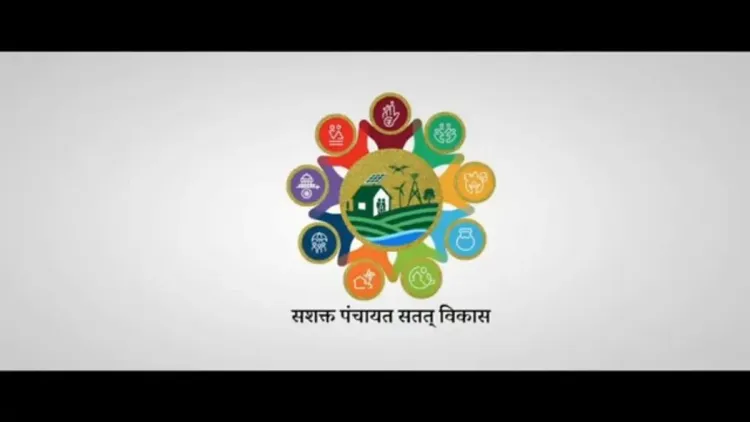
The Chief Minister's Office of Assam on Thursday spotlighted Jhumumur Gaon Panchayat, which has been conferred the National Award for Best Gram Panchayat under the Swachhata and Greenery category. The office shared a video showcasing the village's cleanliness drive, green cover and community-led development model.
Describing the panchayat as 'a shining example of grassroots transformation', the office said the accompanying video 'offers a glimpse into Jhumumur, the award-winning village that has set a benchmark in cleanliness, greenery and community-led development'.
Context
National recognitions for gram panchayats have become a recurring mechanism through which the Centre and states project decentralised governance outcomes. The Swachhata and Greenery category specifically rewards panchayats that combine sanitation coverage with afforestation, waste management and public-space upkeep.
The post from the Chief Minister's Office of Assam places Jhumumur within a broader narrative of village-level institutions delivering tangible environmental outcomes. The accompanying video is the centrepiece of the communication, with no additional administrative details disclosed in the post itself.
Policy backdrop
The award sits within the policy arc of the Swachh Bharat Mission, launched in October 2014, which set nationwide sanitation, waste management and open-defecation-free targets across rural and urban India. Its rural arm, Swachh Bharat Mission-Gramin, operationalises these goals through panchayat-level implementation.
Gram panchayats themselves derive their authority from the 73rd Constitutional Amendment Act, 1992, which empowered them as constitutional units of local self-government with responsibilities spanning sanitation, water and local environmental works. National panchayat awards have been used by successive governments as performance incentives within this framework.
Assam has participated in successive phases of the mission, with state communications periodically highlighting community-participation models in sanitation and tree-planting. The recognition for Jhumumur is being positioned by the state as evidence of that on-ground implementation.
Stakeholders and impact
The most direct stakeholders are the residents of Jhumumur and the elected representatives of the gaon panchayat, whose collective work underpins the award. For other panchayats in Assam, the recognition functions as a peer benchmark, particularly on integrating greenery with sanitation routines.
For the state administration, the award offers a template for replication: a village-scale demonstration that ties cleanliness outcomes to community ownership rather than purely top-down spending. Rural development officers and block-level functionaries are typically tasked with translating such models into district-wide practice.
The communication strategy — a short video rather than a statistical release — is consistent with how state governments increasingly package governance wins for social platforms, prioritising visual storytelling over policy detail.
What's next
Attention will turn to whether the Assam government issues formal replication guidance for other gaon panchayats, drawing on Jhumumur's sanitation and greenery practices. The next cycle of national panchayat awards and Swachh Survekshan rankings will indicate whether the state can scale this performance beyond a single village.
For the panchayat itself, the recognition typically brings follow-on visibility, study visits from peer institutions and pressure to sustain the standards that earned the award. The broader implication is that village-level institutions remain central to how India measures, and markets, its rural environmental progress.
Point of View
The Assam CMO is leaning into the visual grammar of social platforms while still anchoring the narrative to the Swachh Bharat Mission's institutional credibility. The sharper test will be whether Jhumumur becomes a replicable template across the state's panchayats, or remains a standalone showcase. Either way, gram panchayats continue to be the political stage where India's rural environmental claims are made.
NationPress
25 Sept 2026
Frequently Asked Questions
What award did Jhumumur Gaon Panchayat win?
Jhumumur Gaon Panchayat won the National Award for Best Gram Panchayat under the Swachhata and Greenery category, as highlighted by the Chief Minister's Office of Assam.
Where is Jhumumur Gaon Panchayat located?
Jhumumur Gaon Panchayat is a village panchayat in Assam, highlighted by the state's Chief Minister's Office for its cleanliness and greenery model.
What is the Swachhata and Greenery category in panchayat awards?
It is a national award category that recognises gram panchayats for combining sanitation outcomes with afforestation, waste management and upkeep of public spaces.
How is the award linked to Swachh Bharat Mission?
The award sits within the broader Swachh Bharat Mission framework launched in October 2014, which sets sanitation and cleanliness targets implemented at the panchayat level.
What powers do gram panchayats have in India?
Gram panchayats are constitutional units of local self-government under the 73rd Constitutional Amendment Act, 1992, with responsibilities including sanitation, water and local environmental works.