Assam govt maps cleanliness roadmap under Swachh Bharat Mission
Synopsis
Assam is moving from building toilets to measuring behaviour — the state's new Swachh Bharat roadmap introduces GIS-based sanitation tracking, a circular-economy waste framework, and a competitive annual awards system spanning every ward, panchayat, and municipal body. It is one of the most structured state-level cleanliness governance plans seen in the Northeast.
Key Takeaways
The Assam government reviewed a comprehensive Swachh Bharat Mission action plan on 12 August in Guwahati .
Focus shifts from infrastructure creation to functionality, maintenance, and behavioural change .
GIS-based monitoring systems to be deployed for tracking sanitation and waste-management outcomes.
Annual awards proposed for best-performing urban local bodies, wards, panchayats, and village streets under both SBM-Urban and SBM-Gramin frameworks.
NGOs, self-help groups, and youth organisations to be more deeply integrated into the cleanliness drive.
Goal: make Assam one of the cleanest states in India with climate-resilient, community-driven sanitation.
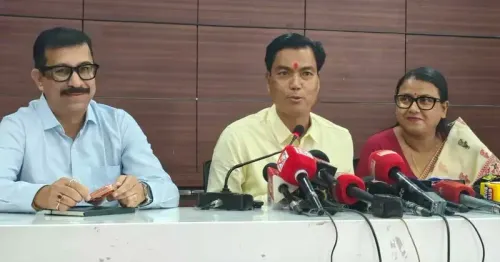
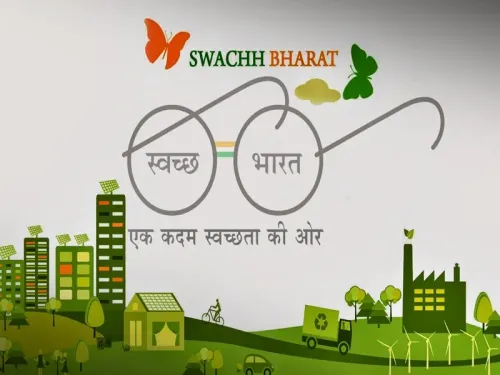
The Assam government has drawn up a comprehensive roadmap to convert Swachh Bharat Mission activities into a sustained, community-driven cleanliness movement across the state, with an emphasis on behavioural change, scientific waste management, and grassroots citizen participation. The plan was reviewed at a high-level meeting of senior officials in Guwahati on Wednesday, 12 August.
Key Priorities in the Action Plan
Officials at the meeting stressed that the focus must shift beyond merely building sanitation infrastructure to ensuring its functionality, maintenance, and long-term sustainability. Priority areas identified include waste segregation at source, grey-water management, sewage and wastewater treatment, and climate-resilient sanitation practices.
The roadmap also calls for greater integration of technology, including GIS-based monitoring systems, to track sanitation and waste-management outcomes in real time. Strengthening linkages between waste collection, processing, and recycling — as part of a broader circular-economy push — was also discussed.
Annual Awards to Drive Competition and Accountability
A central feature of the proposed roadmap is an annual awards system designed to recognise outstanding performers across administrative tiers. Under the Swachh Bharat Mission-Urban framework, better-performing urban local bodies would be felicitated at the state level, with the best-performing ward in each municipal corporation, municipal board, and town committee recognised at the district level.
Under Swachh Bharat Mission-Gramin, districts would be assessed on the performance of Panchayati Raj Institutions, with annual awards for the best-performing wards at the Gaon Panchayat level. The government also proposed identifying the cleanest street in villages to encourage grassroots competition. State-level awardees in both categories are proposed to receive a rolling trophy or shield.
Strengthening Community and Institutional Participation
Officials discussed integrating Swachh Bharat activities into senior government officials' field visits. The plan also proposes deepening the involvement of NGOs, self-help groups, youth organisations, and individual citizens to ensure that cleanliness becomes a community habit rather than a government-led exercise.
The meeting was attended by senior officials from the Assam government, the Guwahati Municipal Corporation (GMC), TERI, and other departments and organisations.
The Larger Objective
The overarching goal of the roadmap is to position Assam among the cleanest states in India, with every city, town, and village becoming cleaner, more sustainable, and climate-resilient. This comes amid a renewed national emphasis on Swachhata outcomes ahead of key sanitation rankings, and reflects a broader shift in state policy from infrastructure creation to measurable behavioural change.
Point of View
Circular-economy linkages, and competitive ward-level awards signals a more accountability-driven approach — but the devil is in execution. Annual awards work only if the assessment methodology is independent and transparent; state-administered rankings have historically been susceptible to gaming. The inclusion of TERI alongside municipal bodies is a positive signal, but the plan's success will ultimately depend on whether district-level officials treat this as a compliance exercise or a genuine governance priority.
NationPress
27 Sept 2026
Frequently Asked Questions
What is the Assam government's Swachh Bharat Mission roadmap?
It is a comprehensive action plan finalised on 12 August to transform Swachh Bharat Mission activities into a sustained, community-driven cleanliness movement across rural and urban Assam. The plan covers scientific waste management, GIS-based monitoring, circular-economy initiatives, and an annual awards system for top-performing local bodies.
What role will technology play in Assam's cleanliness drive?
The roadmap proposes deploying GIS-based monitoring systems to track sanitation and waste-management outcomes statewide. This is intended to move oversight beyond self-reporting and provide real-time data on performance across districts and urban local bodies.
How will the annual cleanliness awards work in Assam?
Under SBM-Urban, better-performing urban local bodies will be recognised at the state level, with the best ward in each municipal corporation, municipal board, and town committee felicitated at the district level. Under SBM-Gramin, districts will be assessed on Panchayati Raj Institution performance, with awards for the best Gaon Panchayat wards. State-level winners receive a rolling trophy or shield.
Who attended the Swachh Bharat Mission review meeting in Guwahati?
Senior officials from the Assam government, the Guwahati Municipal Corporation, TERI, and other departments and organisations attended the meeting held on 12 August in Guwahati.
What is the overall goal of Assam's cleanliness roadmap?
The government's stated objective is to make Assam one of the cleanest states in India, with every city, town, and village becoming cleaner, more sustainable, and climate-resilient through continuous community participation rather than one-off campaigns.