Assam shifts to pipe-based irrigation, Minister Hazarika inspects key projects

Synopsis
Assam is moving away from conventional canal irrigation toward pressurised pipe networks — a structural shift backed by Chief Minister Himanta Biswa Sarma and now being ground-tested by Minister Pijush Hazarika. With a ₹34.8 crore underground pilot in Boko already underway, the state is betting that pipe-based delivery can cut water loss, bypass land acquisition gridlock, and set a replicable model for the entire Northeast.
Key Takeaways
Assam Agriculture Minister Pijush Hazarika visited the Hatiamukh Irrigation Project on 12 July , reaffirming the state's shift to pipe-based irrigation.
The Hatiamukh canal project , built at ₹30.67 crore , covers nearly 5,800 bighas of farmland, benefiting indigenous farmers in Baghjap Gaon Panchayat .
The Singua Water Supply Pilot Project in Boko — Assam's first underground water initiative — is funded at ₹34.8 crore and covers 1,427 hectares .
Chief Minister Himanta Biswa Sarma's office announced on X that Assam will transition to a Pressurised Piped Distribution Network to reduce water loss and lower costs.
Hazarika urged farmers to pursue two to three cropping cycles annually using existing infrastructure and government schemes.
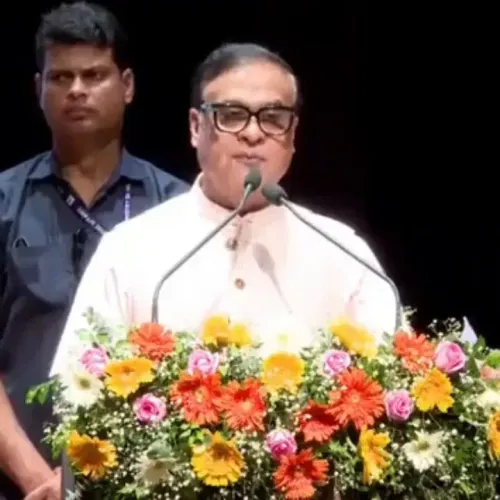
Assam Agriculture and Irrigation Minister Pijush Hazarika on Sunday, 12 July reaffirmed the state government's push toward modern pipe-based irrigation systems, saying the transition would ensure faster project completion, efficient water management, and sidestep land acquisition hurdles that have long plagued conventional canal projects. His remarks came during a visit to the Hatiamukh Irrigation Project in Baghjap Gaon Panchayat.
Hatiamukh Project: Canal Irrigation at Work
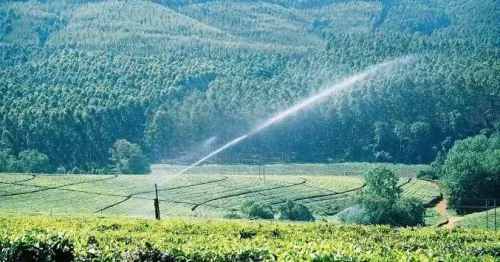
The Hatiamukh Irrigation Project, built at an estimated cost of ₹30.67 crore, has brought nearly 5,800 bighas of agricultural land under assured irrigation, directly benefiting a large number of indigenous farmers in the region. Minister Hazarika acknowledged the canal-based project's contribution to strengthening local agricultural activity. He urged farmers to maximise the available infrastructure and government schemes by undertaking two to three cropping cycles annually.
Why Assam Is Moving Beyond Canals
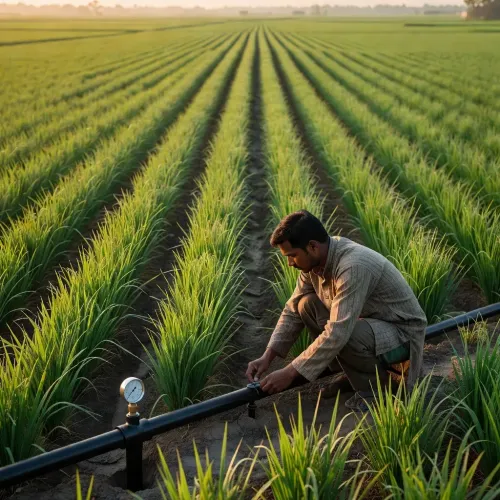
While canal-based systems have historically underpinned Assam's irrigation network, the state is now pivoting to pressurised pipe distribution. According to Hazarika, pipe-based projects can be executed in a shorter timeframe, deliver more precise water delivery, and avoid the protracted land acquisition disputes that frequently delay canal construction. The shift is part of a broader state strategy to expand modern irrigation infrastructure, promote sustainable agriculture, and strengthen Assam's agricultural economy.
This comes amid a parallel push from the top. Chief Minister Himanta Biswa Sarma's office, in a post on social media platform X just days before Hazarika's visit, described the move as 'a major leap for Assam's agriculture,' adding that the government 'will transition to a Pressurised Piped Distribution Network for irrigation, replacing conventional open channels to reduce water loss, lower costs and deliver faster, more efficient irrigation for farmers.'
Singua Pilot Project: Assam's First Underground Water Initiative
Hazarika had earlier, on 20 June, inspected the Singua Water Supply Pilot Project in Boko — described as Assam's first underground water initiative. The project is being constructed with ₹34.8 crore in central funding and is designed to deliver consistent water access to nearly 1,427 hectares of farmland through an underground pipeline network that moves water directly to crops, minimising waste and maximising efficiency.
During visits to the Rajapura and Dirima areas, Hazarika described the initiative as a significant step toward modernising local infrastructure and sought support from local stakeholders to keep the project on schedule. 'The project would serve as a model for future irrigation schemes across the state,' he said.
What This Means for Assam's Farmers
The dual thrust — completing existing canal projects while fast-tracking pipe-based alternatives — signals a structural shift in how Assam plans to deliver water to its farming communities. If the Singua pilot delivers on its efficiency targets, it is expected to set the template for replication across the state, potentially transforming irrigation access for smallholder and indigenous farmers who have historically depended on monsoon cycles. The government's next steps in scaling the pipe network will be closely watched by agricultural stakeholders across the Northeast.
Point of View
But they demand a different kind of technical capacity at the district level that Assam's agricultural bureaucracy has not yet demonstrated. The Singua pilot covering 1,427 hectares is a meaningful start, but it is a rounding error against the state's total cultivable area. The political signalling — from the Chief Minister's X post to the Minister's field visits — is consistent; the question is whether capital allocation and departmental bandwidth will match the ambition before the next election cycle resets priorities.
NationPress
11 Oct 2026
Frequently Asked Questions
What is Assam's pipe-based irrigation initiative?
Assam is transitioning from conventional canal irrigation to a Pressurised Piped Distribution Network that delivers water directly to crops through underground pipelines, reducing water loss and avoiding land acquisition delays. The shift was announced by Chief Minister Himanta Biswa Sarma and is being implemented by Agriculture and Irrigation Minister Pijush Hazarika.
What is the Singua Water Supply Pilot Project in Boko?
The Singua Water Supply Pilot Project is Assam's first underground water initiative, located in Boko. It is being built with ₹34.8 crore in central funding and will supply water to nearly 1,427 hectares of farmland through an underground pipeline network designed to minimise waste.
What is the Hatiamukh Irrigation Project?
The Hatiamukh Irrigation Project is a canal-based scheme in Baghjap Gaon Panchayat, constructed at an estimated cost of ₹30.67 crore. It has brought nearly 5,800 bighas of agricultural land under assured irrigation, benefiting indigenous farmers in the area.
Why is Assam shifting from canal to pipe-based irrigation?
Pipe-based projects can be completed faster, ensure more efficient water management, and avoid the land acquisition challenges typically associated with canal construction. The state government views the shift as essential to expanding reliable water supply and promoting sustainable agriculture.
How does this affect Assam's farmers?
Farmers stand to gain more reliable, year-round water access, enabling two to three cropping cycles annually instead of depending on monsoon patterns. If the Singua pilot succeeds, it is expected to serve as a model for irrigation schemes across Assam.